


See Your Doctor When Symptoms Occur, and Get Regular Checkups.
Experts say that men could benefit greatly by being alert to certain cancer symptoms that indicate a trip to the doctor’s office sooner rather than later. Some of those cancer symptoms in men are specific. They involve certain body parts and may even point directly to the possibility of cancer (for example, a mass in the scrotum or testicle). Other symptoms are not specific. For instance, pain that affects many body parts could have dozens of explanations and may not be cancer; however, that circumstance doesn’t mean you can rule out cancer without seeing a doctor.
The following slideshow of pictures explain 15 symptoms and possible clues to finding cancer early. Unfortunately, many men ignore these symptoms with the result of sometimes discovering a cancer that might have been more easily treated if the cancer had been detected at an earlier date in its development.
No.1 – Breast Mass
If you’re like most men, you’ve probably never considered the possibility of having breast cancer. Although it’s not common, it is possible. According to Leonard Lichtenfeld, MD, deputy chief medical officer for the national office of the American Cancer Society, "Any new mass in the breast area of a man needs to be checked out by a physician."
In addition, the American Cancer Society identifies several other worrisome signs involving the breast that men as well as women should take note of. They include skin dimpling or puckering nipple retraction redness or scaling of the nipple or breast skin and nipple discharge.
When you consult your physician about any of these signs, expect the doctor to take a careful history and do a physical exam. Then, depending on the findings, the doctor may order a mammogram, a biopsy, or other tests.

No. 2 – Persistent Pain or Discomfort in Any Body Area
As they age, people often complain of more aches and pains. But pain, as vague as it may be, can be an early symptom of some cancers although most pain complaints are not from cancer.
Any pain that persists, according to the American Cancer Society, should be checked out by your physician. The doctor can take a careful history, get more details, and then decide whether further testing is necessary. If the cause of the pain is not cancer, you will still benefit from the visit to the office because the doctor can work with you to find out what’s causing pain and help you know what may be done to treat the cause.

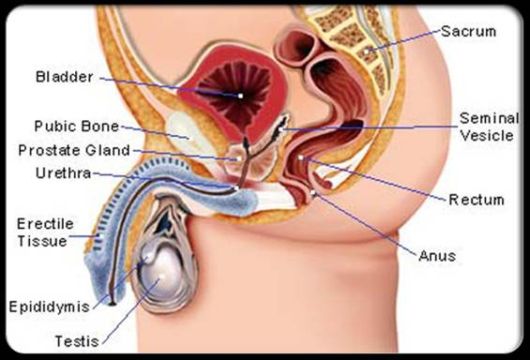
No 3. – Changes in the Testicles or Scrotum
Testicular cancer occurs most often in men aged 20 to 39. The American Cancer Society recommends that men get a testicular exam by a doctor as part of a routine cancer-related checkup. Some doctors suggest a monthly self-exam. Any change in the size of the testicles, such as growth or shrinkage, should be a concern. In addition, swelling or a lump or a feeling of heaviness in the scrotum should not be ignored. Some testicular cancers occur very quickly, so early detection is especially crucial.
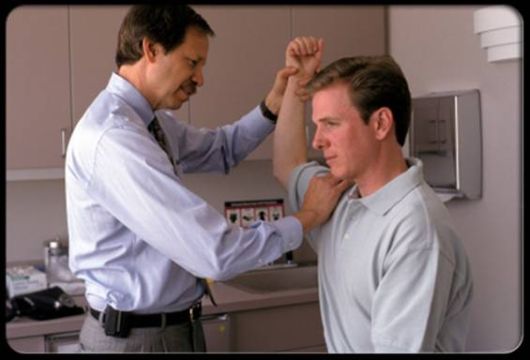
No. 4 – Changes in the Lymph Nodes (Swelling, Painful, Warm and/or Reddish Color)
If you notice a lump or swelling in the lymph nodes under your armpit or in your neck — or anywhere else — it could be a reason for concern, says Hannah Linden, MD. "If you have a lymph node that gets progressively larger, and it’s been noticeable longer than a month, see a doctor," she says.
Your doctor will examine you and figure out any associated issues with a detailed medical history that could explain the lymph node enlargement, such as infection. If there is no infection, a doctor will typically order a biopsy and blood tests.

No. 5 – Fever (High Fever of > 103 F or Chronic Fevers, Usually More Than One Week)
If you’ve got an unexplained fever, it may indicate cancer. It could also be a sign of pneumonia or some other illness that needs treatment.
Most cancers will cause fever at some point. Often, fever occurs after the cancer has spread from its original site and invaded another part of the body. But it can also be caused by blood cancers such as lymphoma or leukemia, according to the American Cancer Society. It’s best not to ignore a fever that can’t be explained. Check with your doctor to find out what might be causing the fever. The doctor can help distinguish between acute and chronic fever causes and also help to determine if anything needs to be done for the patient emergently.

No. 6 – Weight Loss Without Trying
Unexpected or weight loss without dieting is a concern as most people don’t lose weight easily. If a man loses more than 10% of his body weight in a short time period such as a matter of weeks without actively trying to reduce weight, it’s time to see the doctor.
Your doctor will do a general physical, ask you questions about your diet and exercise, and ask about other symptoms. Based on that information, the doctor will decide what other tests are needed. Unplanned rapid weight loss should never be ignored, even in men (and women) who are overweight.

No. 7 – Gnawing Abdominal Pain and Depression
"Any guy who’s got a pain in the abdomen and is feeling depressed needs a checkup,? says Lichtenfeld. Although these symptoms may be due to non-cancerous causes, experts have found a link between depression and pancreatic cancer. Other symptoms that can occur with the abdominal pain and depression include jaundice (yellowing of the skin and the white area of the eyes) or a change in the stool color, often to a gray color.
Expect your doctor to do a careful physical exam and take a history. The doctor may then order tests such as a chest X-ray, CT scan, MRI, and, possibly, other scans and tests.

No. 8 – Fatigue (Physical or Mental)
Fatigue (physical or mental) is another vague symptom that could point to cancer in men, but a host of other problems could cause it as well. Like fever, fatigue can occur after the cancer has developed or spread. However, fatigue may also happen early in cancers such as leukemia or with some colon or stomach cancers, according to the American Cancer Society.
If you often feel extremely tired and it doesn’t get better with rest, check with your doctor. The doctor will evaluate the symptom of fatigue along with any other symptoms in order to determine the underlying cause. Treatment depends on the underlying cause of the fatigue.

No. 9 – Persistent Cough (Especially Lasting More Than About Three Weeks)
Coughs are expected, of course, with colds, the flu, and allergies. They are also sometimes a side effect of a medication. But a very prolonged cough — defined as lasting more than three or four weeks — should not be ignored, says Ranit Mishori, MD, Assistant Professor at Georgetown University School of Medicine in Washington, D.C. That kind of cough warrants a visit to the doctor. It could be a symptom of cancer, or it could indicate some other problem such as chronic bronchitis or acid reflux.
Your doctor will take a careful history, examine your throat, check how your lungs are functioning, and, especially if you are a smoker, perhaps order X-rays. Once the underlying reason for the coughing is identified, the doctor will work with you to determine a treatment plan

No. 10 – Difficulty Swallowing (Food, Liquids, or Both)
Some men may report trouble swallowing (dysphagia) but then learn to live with it, Dr. Lichtenfeld says. "Over time, they change their diet to a more liquid diet. They start to drink more soup." But swallowing difficulties, he says, could be a sign of a gastrointestinal cancer, such as cancer of the esophagus.
Let your doctor know if you are having trouble swallowing. Your doctor will take a careful history and possibly order a chest X-ray. The doctor may also send you to a specialist (gastroenterologist) for an upper endoscopy to examine your esophagus. Other tests such as barium swallow tests; CT or MRI of the esophagus may also be done.

No. 11 – Changes in the Skin (Color Changes, Thickness Changes, Easy Bleeding)
You should be alert to not only changes in moles — a well-known sign of potential skin cancer — but also changes in skin pigmentation, says Mary Daly, MD, an oncologist at the Fox Chase Cancer Center in Philadelphia.
She also says that suddenly developing bleeding on your skin or excessive scaling are reasons to check with your doctor. It’s difficult to say how long is too long to observe skin changes, but most experts say not to wait longer than several weeks.
To find out what’s causing the skin changes, your doctor will take a careful history and perform a careful physical exam. The doctor may also order a skin biopsy to rule out cancer.

No. 12 – Blood Where It Shouldn’t Be (Blood in Sputum, Stool or Urine)
"Anytime you see blood coming from a body part where you’ve never seen it before, see a doctor," Lichtenfeld says. "If you start coughing or spitting up blood, have blood in the bowel, or blood in the urine, it’s time for a doctor visit."
Dr. Mishori says it’s a mistake to assume blood in the stool is simply from a hemorrhoid. "It could be colon cancer," he says.
Your doctor will ask you questions about your symptoms. If there is blood in the stool, the doctor may also order tests such as a colonoscopy, which is an examination of the colon using a long flexible tube with a camera on one end. The purpose of a colonoscopy is to identify any signs of cancer or precancer or to identify what else might be causing the bleeding. If there is blood in the urine, other tests such as bladder cystoscopy (tube used to examine urinary tissue) and tissue biopsy may be done. Blood in the sputum may occur from many non-cancerous causes; however, several types of cancers (for example, lung, esophageal, oral) may also produce bloody sputum. Your doctor can help diagnose the underlying cause of bloody sputum with tests and in consultation with specialists.

No. 13 – Mouth Changes (Chronic Oral Lesions That Do Not Heal)
If you smoke or chew tobacco, you need to be especially alert for any white patches inside your mouth or white spots on your tongue. Those changes may indicate leukoplakia, a precancerous area that can occur with ongoing irritation. The condition can progress to oral cancer.
You should report the changes to your doctor or dentist. The dentist or doctor will take a careful history, examine the changes, and then decide what other tests, such as a tissue biopsy, might be needed.

No. 14 – Urinary Problems (Frequent Urge to Urinate, Slow Urine Stream, Incomplete Feeling of Emptying the Bladder)
As men age, urinary problems become more frequent, such as the urge to urinate more often, a sense of urgency, and a feeling of not completely emptying the bladder. Most men will develop these problems as they get older. However, if you notice any of these symptoms and they concern you because they begin to interfere with normal activities, you should seek medical attention, especially if symptoms become worse.
Your doctor will do a digital rectal exam, which will tell him whether the prostate gland is enlarged. The gland often enlarges as a man ages. It’s typically caused by a noncancerous condition called benign prostatic hyperplasia or BPH. Your doctor may also order a blood test to check the level of prostate-specific antigen or PSA. PSA is a protein produced by the prostate gland, and the test is used to help determine the possibility of prostate cancer. If the doctor notices abnormalities in the prostate or if the PSA is higher than it should be, your doctor may refer you to an urologist and may suggest a biopsy of the prostate gland be done.

No. 15 – Indigestion (Frequent or Almost Constant Discomfort)
A lot of guys, especially as they get older, think "heart attack" when they get bad indigestion, even if they’ve just eaten and drunk their way through a marathon Super Bowl viewing. But persistent indigestion could point to cancer of the esophagus, throat, or stomach and should be reported to your doctor. Conversely, if the pain is intense and causes a person to "grip their chest," most doctors consider this as a sign of a cardiac event and consider this situation to be a medical emergency.
Your doctor will take a careful history and ask questions about the indigestion episodes. Based on the history and your answers to the questions, the doctor will decide what tests are needed and if you should be referred to a cardiologist, gastroenterologist, or an ENT specialist.