
Realistic sculpturing is indeed something special a divine art perfected by geniuses like Michelangelo, Rodin, But when it comes to who is the ultimate sculptor, the greatest sculptor of all time, it leads to endless debates. Whatever be the conclusion, after seeing naturally sculptured spots such as the Batu Caves in Malaysia, almost all will arrive at a single answer: the greatest sculptor of all time is no one else but the nature’!

A place that has to be seen to be believed, Batu Caves is located around 13 km from Malaysia’s capital city Kuala Lumpur. For majority, in Malaysia and abroad, Batu Caves is a place of worship Sri Subramaniyar Swamy Devasthanam’, one of the very famous Hindu temples that are located outside the hub of Hinduism, India. But this place is more than just a temple abode a location that blends the air of holiness with the thrill of natural beauty and adventurous excitement. Perhaps there will be no other location in the world where one can find holy temples consecrated in an array of perfect naturally carved caves.

Dating back to 400 million years, Batu Caves are actually limestone caves formed within three sandwiched hillocks the name comes from the Malay word for rock and/or from the neighboring Batu River. Centuries ago this location was the transit place for indigenous Malay tribes for their hunting trips. Later the then-Chinese settlers made use of these caves to make fertilizer from bat-droppings for their agricultural needs. But this spot remained hidden’ to the outside world until discovered’ by British explorers in the late 19th century.

At that time the Tamil communities from India were prominent settlers in Malaysia. A noted Tamil merchant, Thambusamy Pillai, after experiencing a holistic touch at this place, decided to build a temple in the caves. It is also believed that the Vel’-shaped main cave entrance (Vel’ a divine spear the chief weapon of Lord Subramaniya) inspired Thambusamy Pillai to consecrate a temple for Lord Subramaniya, also known as Muruga / Karthikeya, the most revered deity of Tamil communities worldwide.

At present Batu Caves is regarded as the Mecca of Hindus outside India’ particularly famous for the annual festival Thaipooyam’, a much revered occasion in the Malaysian capital. But this God-made wonder is much more than a pilgrim’s spot a canvas of natural sculptural beauty.

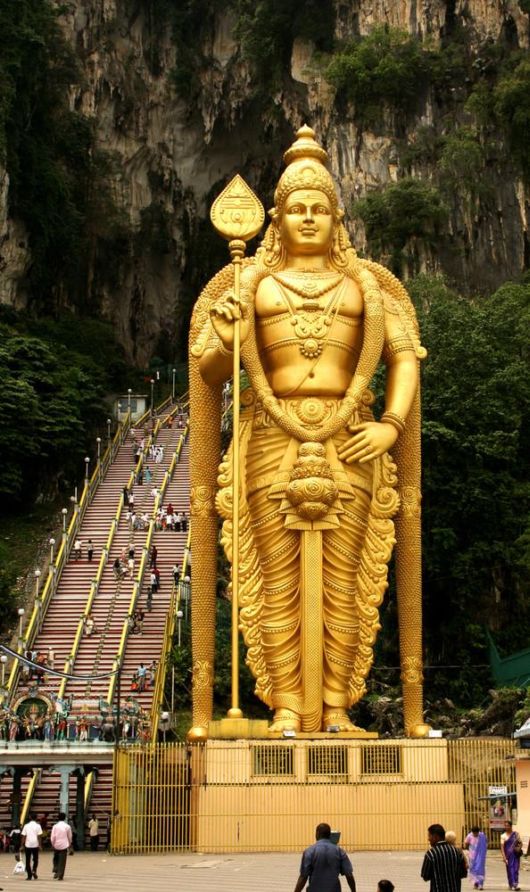
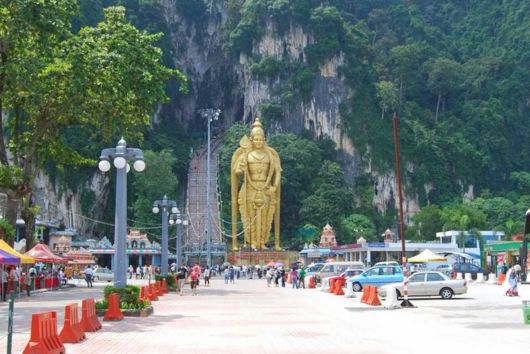
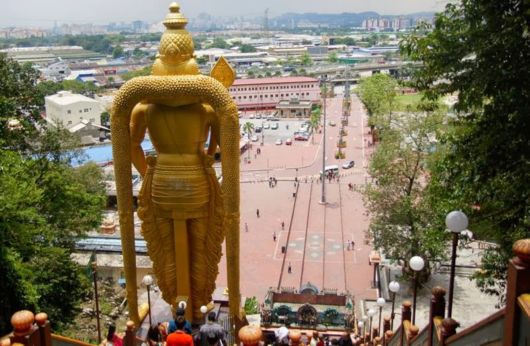
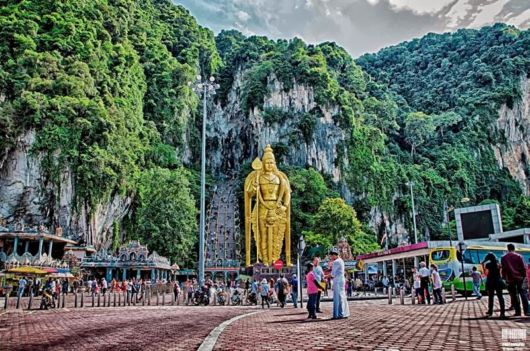
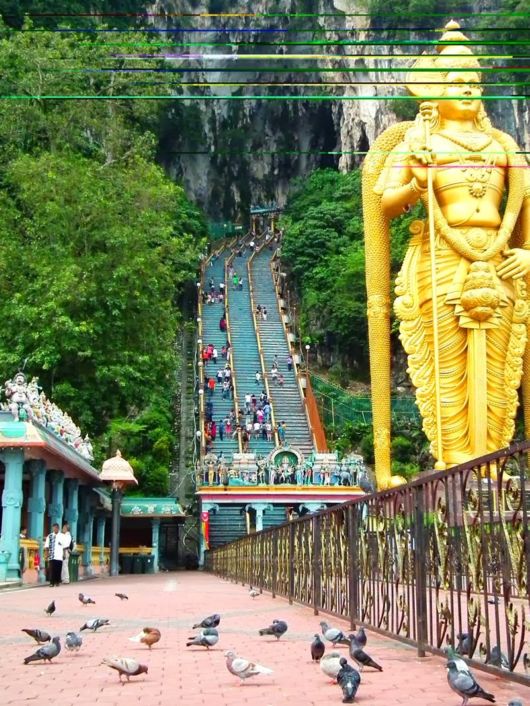
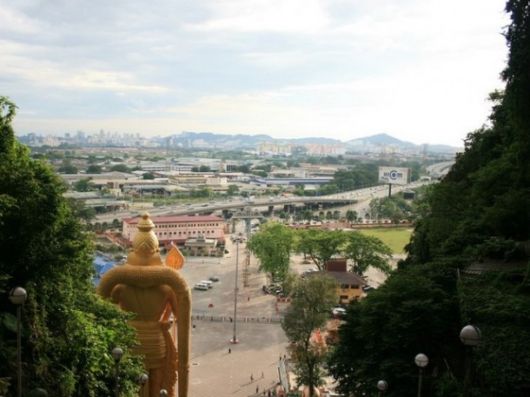
A must see spot for Kuala Lumpur visitors, what greets you first on arrival is a 140 feet tall gigantic gold-painted statue of Hindu God Subramaniya, the tallest statue of Subramaniya in the world!

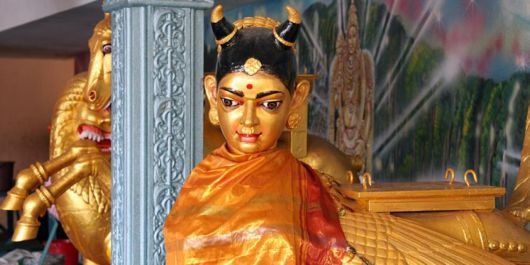
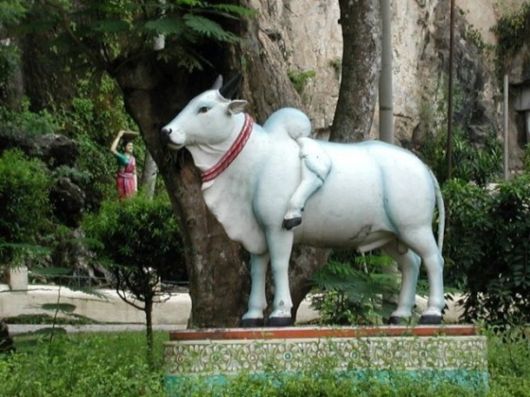
Of the main caves here, the first, right near the basement is Valluvar Kottam’ (Art Gallery Cave & Museum Cave) where you can see many fascinating mural paintings and statues of Hindu Gods; not to mention that of a five-legged-bull’. In this cave Lord Subramaniya’s story, from birth to marriage and subsequent slaying of demon, is pictorially narrated thru murals.
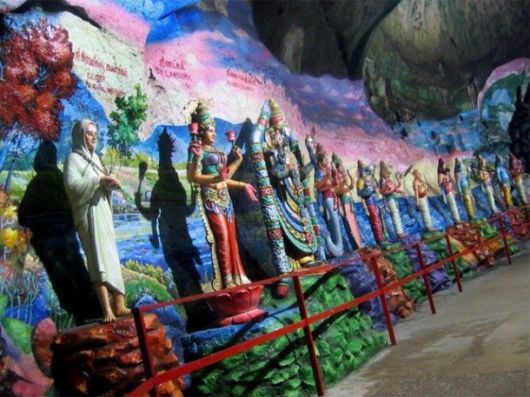
Another cave located near the hill-wall leading to Subramaniya temple-stairs is the Ramayana Cave’, guarded by a big statue of Hanuman (the monkey god, a staunch devotee of Lord Rama).
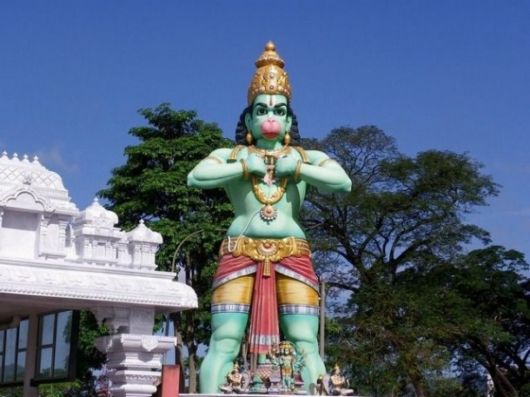
Apart from the temple of Lord Rama and Hanuman here, what catches attention are the beautiful murals on the cave walls that illustrate the story of Hindu epic Ramayana’.
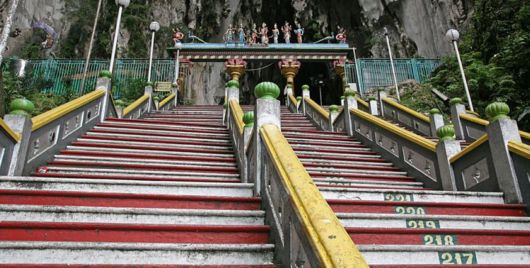
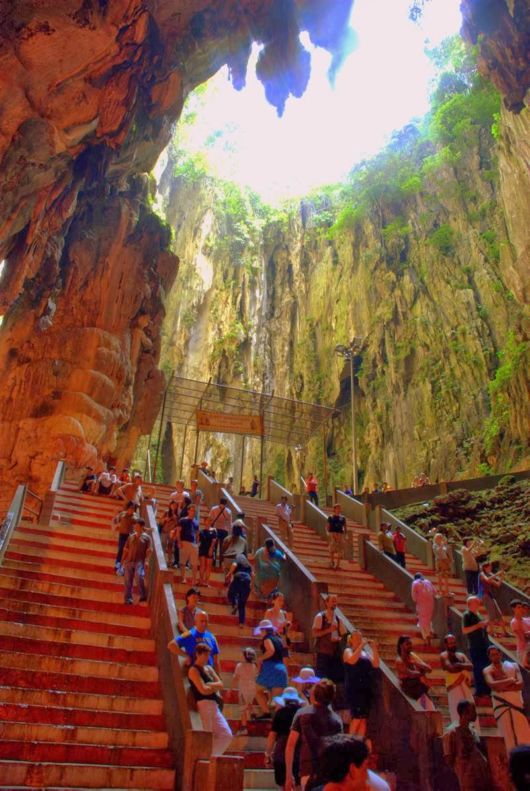
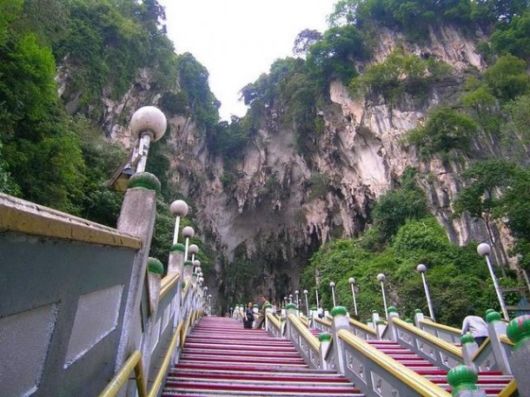
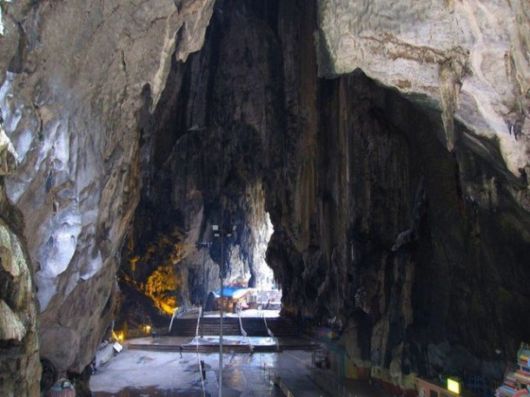
Then starts the long climb of 272 steps towards the biggest cave of the lot . which contains the Lord Subramaniya shrine. When you reach half way; the entrance to the dark cave’ can be seen a marvel of natural architectural brilliance! As the name implies, it is a long gloomy tunnel-like cave infested by bats.
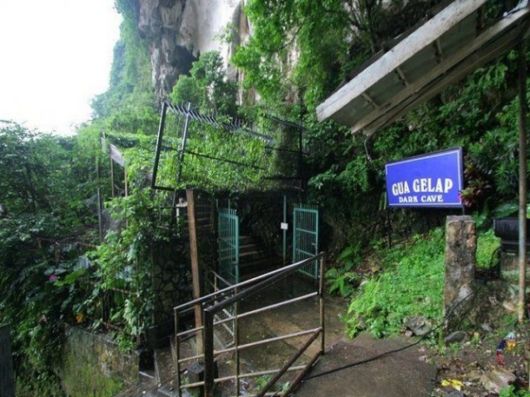
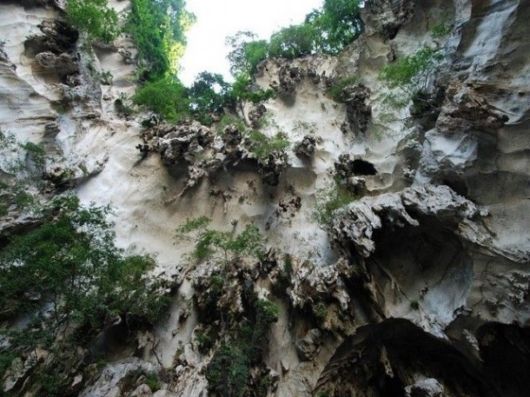
Inside the dark cave, the ageless limestone formations that pops out from the floors, cave-walls and ceilings elegantly decorate the whole structure. These peculiar formations are really hard to believe whether manually sculptured or not! But they only add up the fact that nature is the ultimate artist. This cave also houses some wild species that are too rare to be seen. (As it is too pristine, special permission is needed to visit Dark caves).
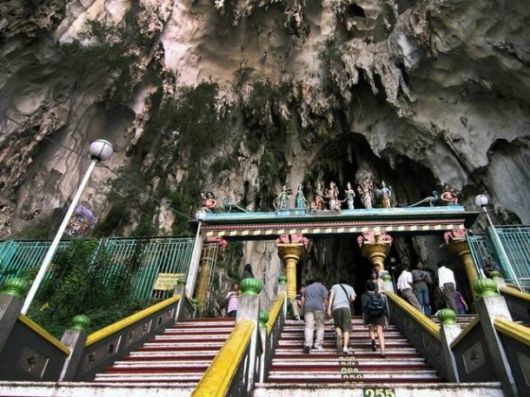
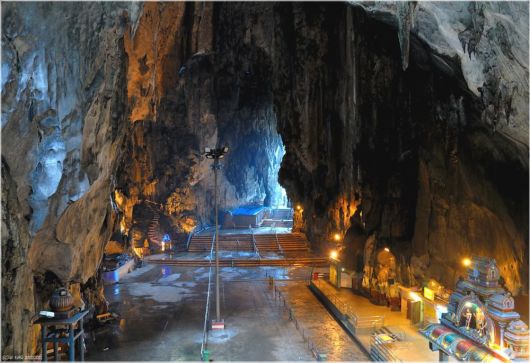
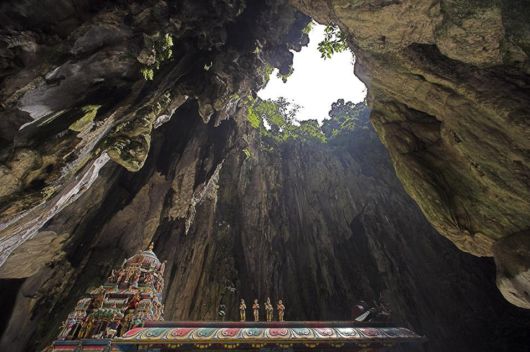
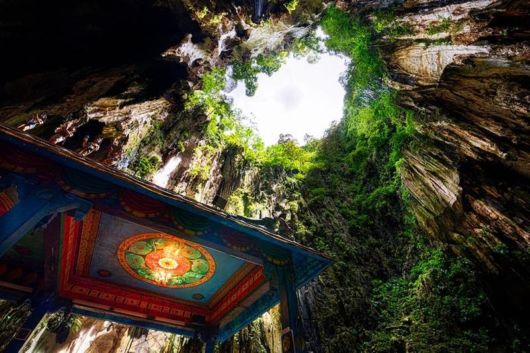
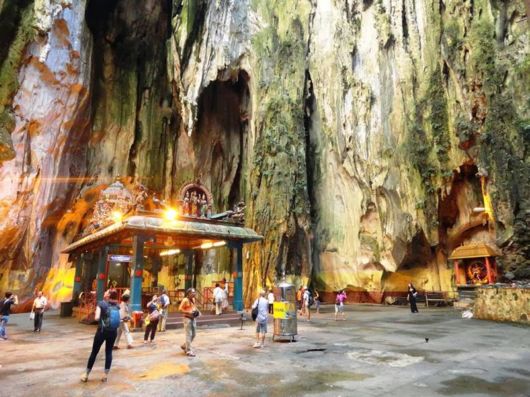
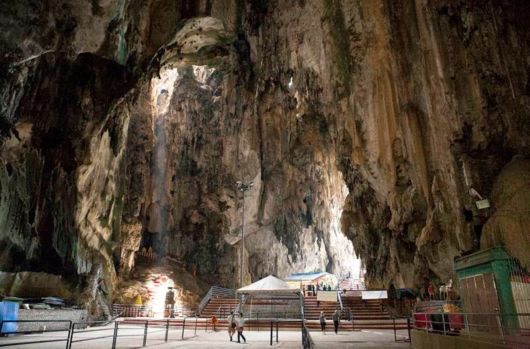
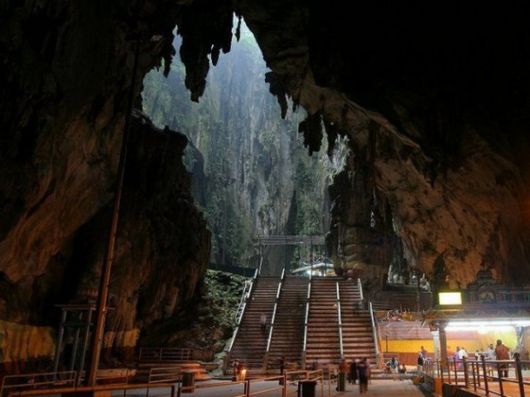
Finally comes the largest cave the Temple Cave or Cathedral Cave. After watching the naturally carved walls that are towered by a very high dome-like ceiling, which is also naturally lighted up by sunrays entering thru holes atop, you will be sure that Cathedral Cave’ is the apt name for this as there can be hardly seen such a naturally built Cathedral elsewhere !
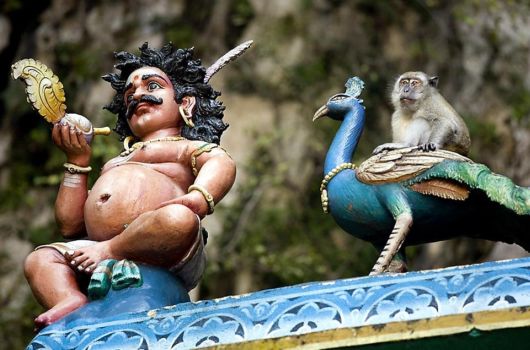
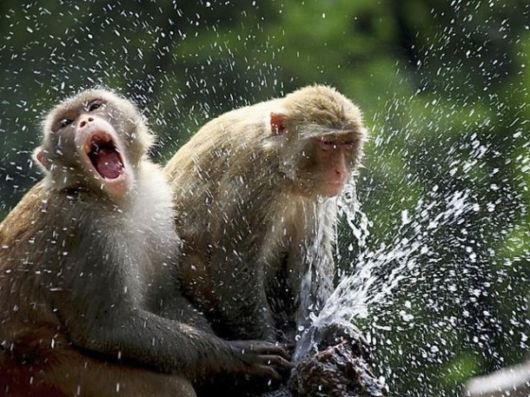
What makes a major difference here from a manmade Cathedral may be the rush of macaque monkeys, a brigade of their own.
Inside this naturally-created cathedral that steal a match between the best manually built ones, anyone will stand gazing the unparalleled artistry of the supreme self for long, before proceeding to the main temple.
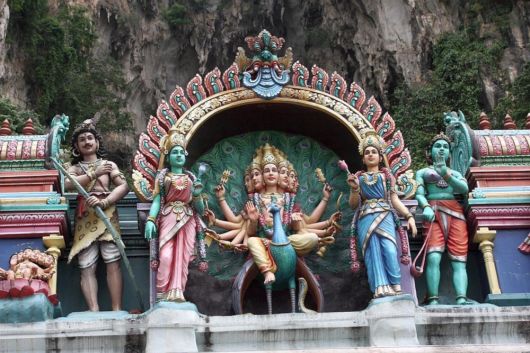
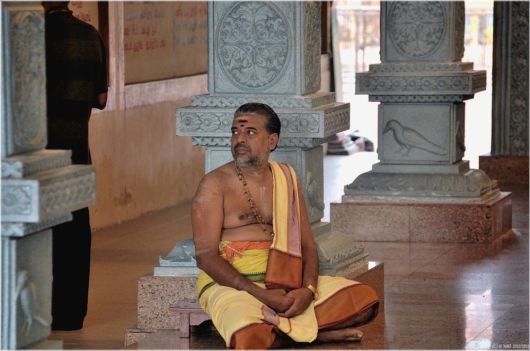
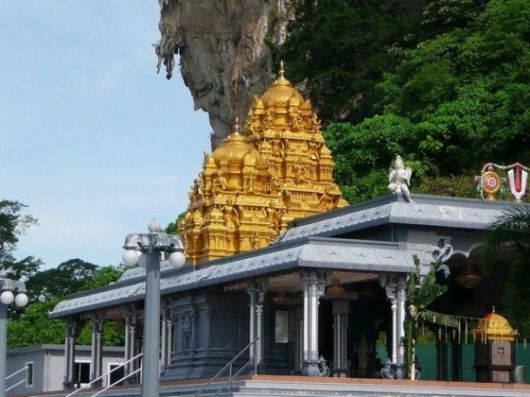
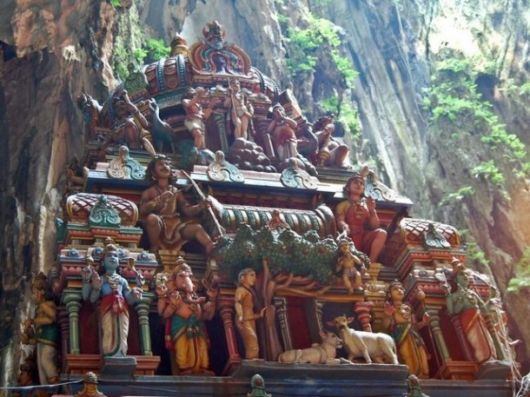
Besides the major shrine of Lord Subramaniya, few other shrines can also be seen here wonderfully complimenting the Dravidian temple architectural style something that can’t be seen outside South India.
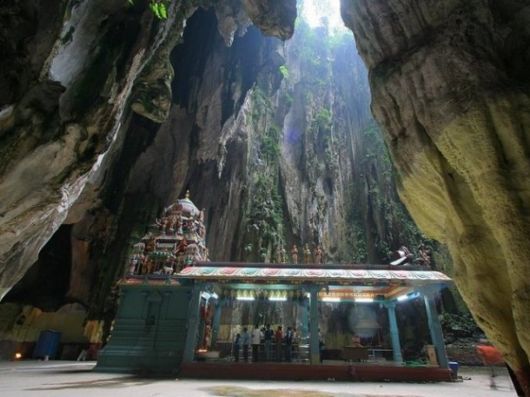
In fact, other than the state of Tamil Nadu (South India) the mother land of Tamils, this is the pilgrim place where the Thaipooyam’ festival (which signifies the triumphant of good over evil, as well as an auspicious chapter in the life of Lord Subramaniya) is celebrated in full grandeur. The festival is one of the largest gatherings of its kind, participated by the Hindu communities from Southeast Asian countries.
This natural wonder provides magnificent panoramic views of Kuala Lumpur neighborhood as well
Last but not the least, is the Reptile Cave’ the newest opened cave in Batu. Here you can see varieties of snakes, with the reticulated python being a major one thrill for the daring’.
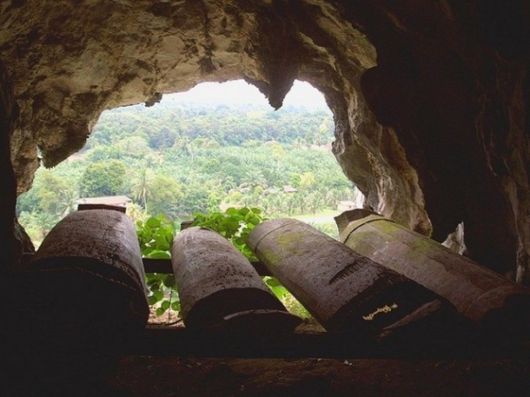
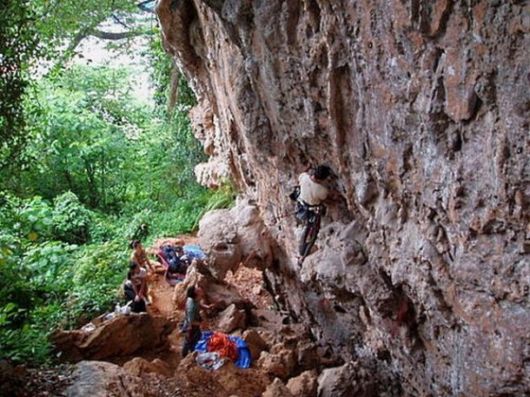
Rope climbing is another means for enjoying this nature’s precious creation. It is estimated that Batu caves offers more than hundred & fifty climbing routes! Thus not only the devotees, but adventurists too can relish this spot to the fullest.
Nature’s prowess continues to amaze mankind whatever may be the advances in sophisticated arts & crafts; seems there is no match for the artworks of the creator.
Batu Caves is a limestone hill, which has a series of caves and cave temples, located in Gombak district, 13 kilometres (8 mi) north of Kuala Lumpur, Malaysia. It takes its name from the Sungai Batu or Batu River, which flows past the hill. Batu Caves is also the name of the nearby village.The cave is one of the most popular Hindu shrines outside India, dedicated to Lord Murugan. It is the focal point of Hindu festival of Thaipusam in Malaysia.