

35 Books, Three Awards: What Makes a Photobook Worth Revisiting?
The 2026 PhotoBook Awards shortlist, presented by Paris Photo and Aperture, offers a timely tour of what a photography book can do beyond collecting images. Thirty-five titles are in the running across First PhotoBook, PhotoBook of the Year and Photography Catalog of the Year. The books are on view at Paris Photo through November 15, with winners due on Friday, November 13, at 3 p.m. Central European Time, according to Aperture’s announcement.
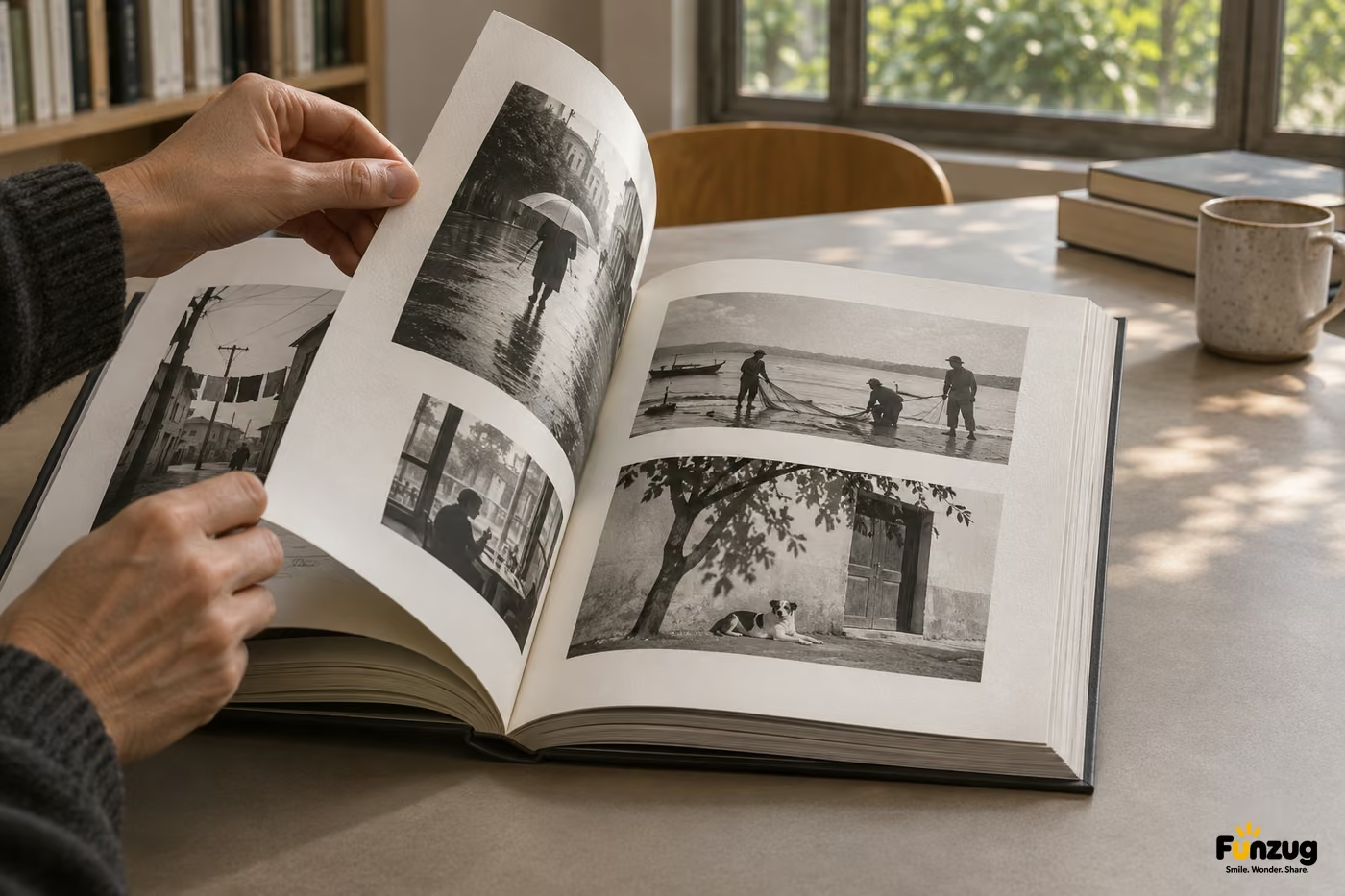
The shortlist was selected from submissions from 56 countries. Its range is a reminder that a photobook is built from more than photographs. Sequencing, paper, typography, binding and scale all shape how a reader encounters the work. The order of two pictures can create a pause or a connection that neither image carries alone.
2026 PhotoBook Awards: three paths into the form
The First PhotoBook category focuses on artists publishing a first major book. Among the shortlisted titles are Miranda Barnes’s Social Season, Sara Bennett’s Looking Inside: Women with Life Sentences and Franco Dupuy’s Cruising Diaries. The different subjects suggest how a debut can set a direction, bring an underseen community into view or test a personal visual language.
PhotoBook of the Year includes projects such as Bieke Depoorter’s The Beds I Slept In, Sohrab Hura’s Snow and Takashi Homma’s This Is Not My Cat. Their titles alone point toward distinct ways of approaching a subject, from an intimate record to an encounter that may be playful or unexpected. The category recognizes the complete book as a work, including the decisions made by photographers, editors, designers and publishers.
The Photography Catalog of the Year selection widens the field again. It includes A Kind of Paradise: Artistic Counter-Narratives to Colonial-Era Photography, Ghana! Rêver l’indépendance, 1957–1976 and L Is for Look: Children’s Photobooks. These books show how photography publishing can sit alongside research, historical interpretation and education.
Why a printed sequence still matters
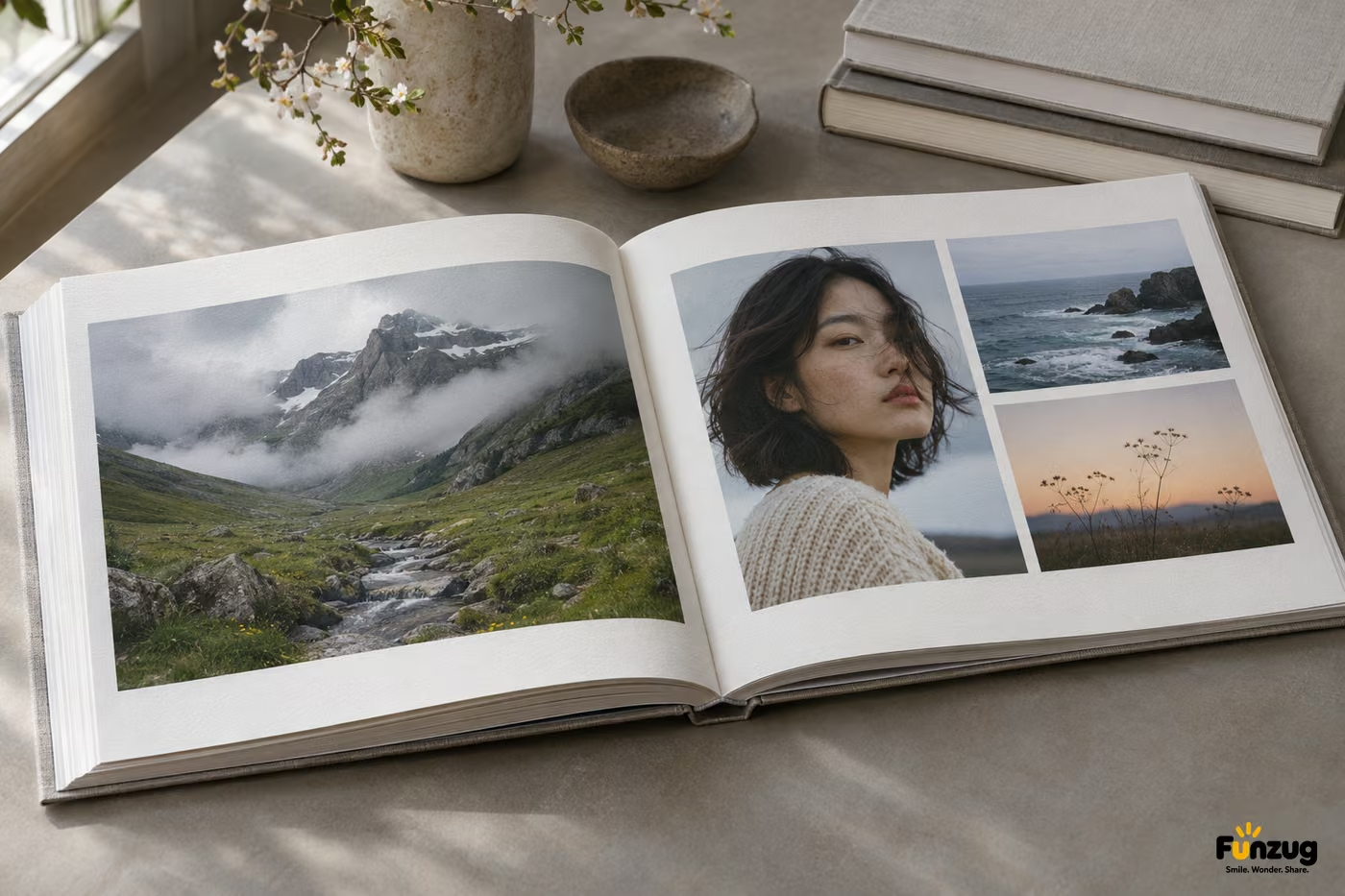
Images are easy to scroll past on a phone. A book asks for a different pace. The reader can return to a spread, notice a small detail, or compare images that appear several pages apart. Designers can use blank space, paper texture and changes in size to affect that rhythm.
That does not mean every photobook needs an elaborate format. A simple sequence can be powerful when it gives a subject room to develop. A close crop followed by a wide view can reset the reader’s understanding. A repeated colour, gesture or location can make a series feel connected without explaining every frame.
The award categories also help visitors approach a large fair. A first book might feel personal and exploratory, while a catalog can frame images through a larger historical question. The distinction is useful, though many books cross boundaries. The same work can invite an emotional response and encourage closer study of its context.
How to explore the shortlist
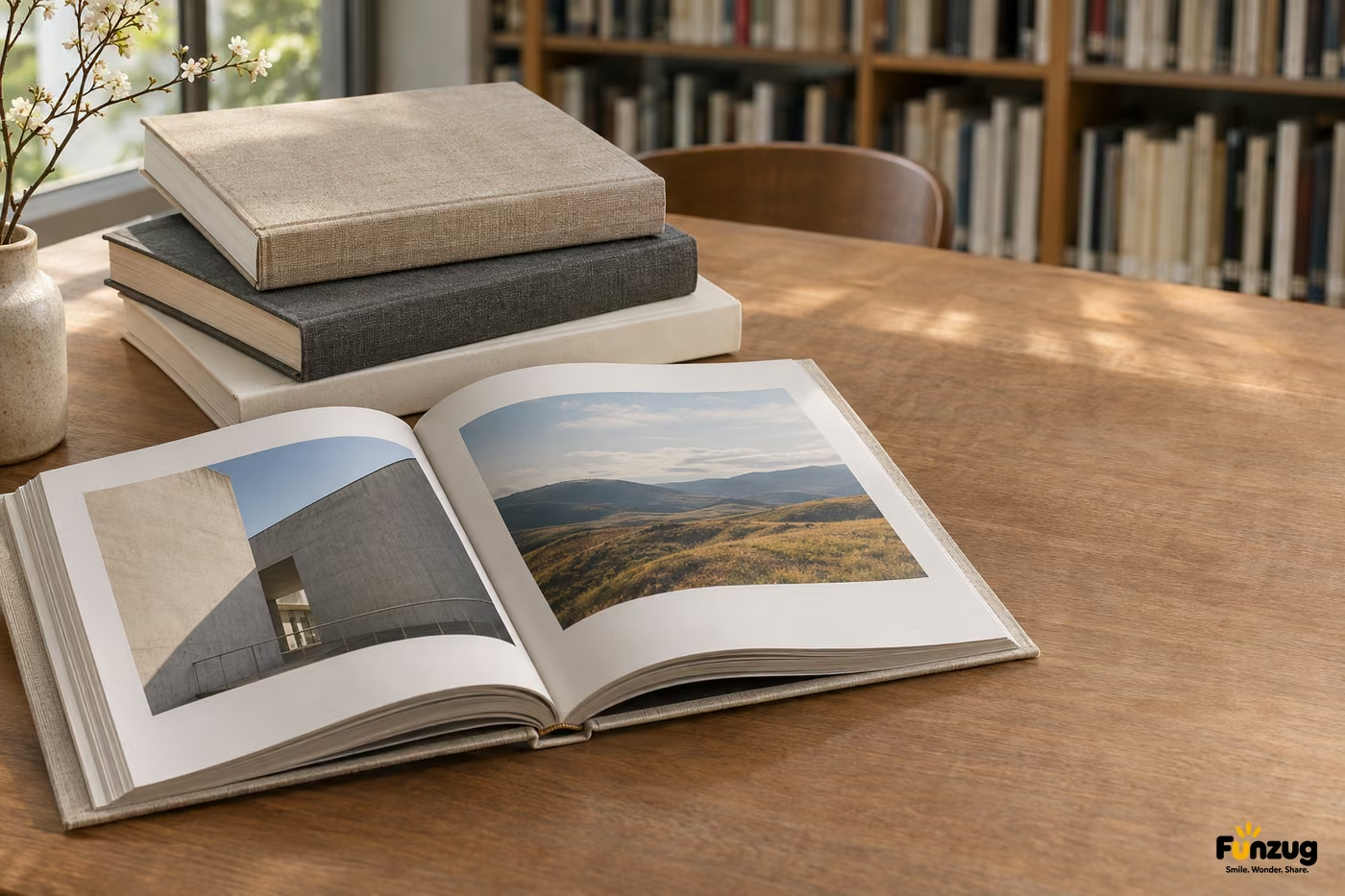
At the fair, begin by reading the book’s opening pages before judging any one image. Notice how the sequence introduces its subject, whether captions add context and how the design handles pauses. Then return to a spread that caught your attention and look at the page before and after it. The book’s structure may change what that photograph means.
The 2026 PhotoBook Awards shortlisted titles will be exhibited at Paris Photo from November 11 to 15. The fair’s visitor information can help with planning, while Aperture’s full shortlist and book credits provide a guide to the artists and publishers. Winners in all three categories will be announced November 13.
For Funzug readers who enjoy creative image-making, this feature on an artist combining drawing and photography offers another look at how pictures change when different visual forms meet. The 2026 PhotoBook Awards make the same broader point through print: photographs can become a new story when someone gives them sequence, shape and space.


