

Fortnite Pirate Shop Token: The Surprising 1-in-137,500 Odds
The Fortnite Pirate Shop token has drawn an unusual amount of attention because it promises a short window of free access to eligible Item Shop cosmetics, but the odds are far lower than many players first guessed. Epic’s Fortnite Status account says the Pirate Shop Access reward has a 1-in-137,500 chance per chest in a normal match. That is a rate per chest, not a promise that one will appear after a fixed number of openings.
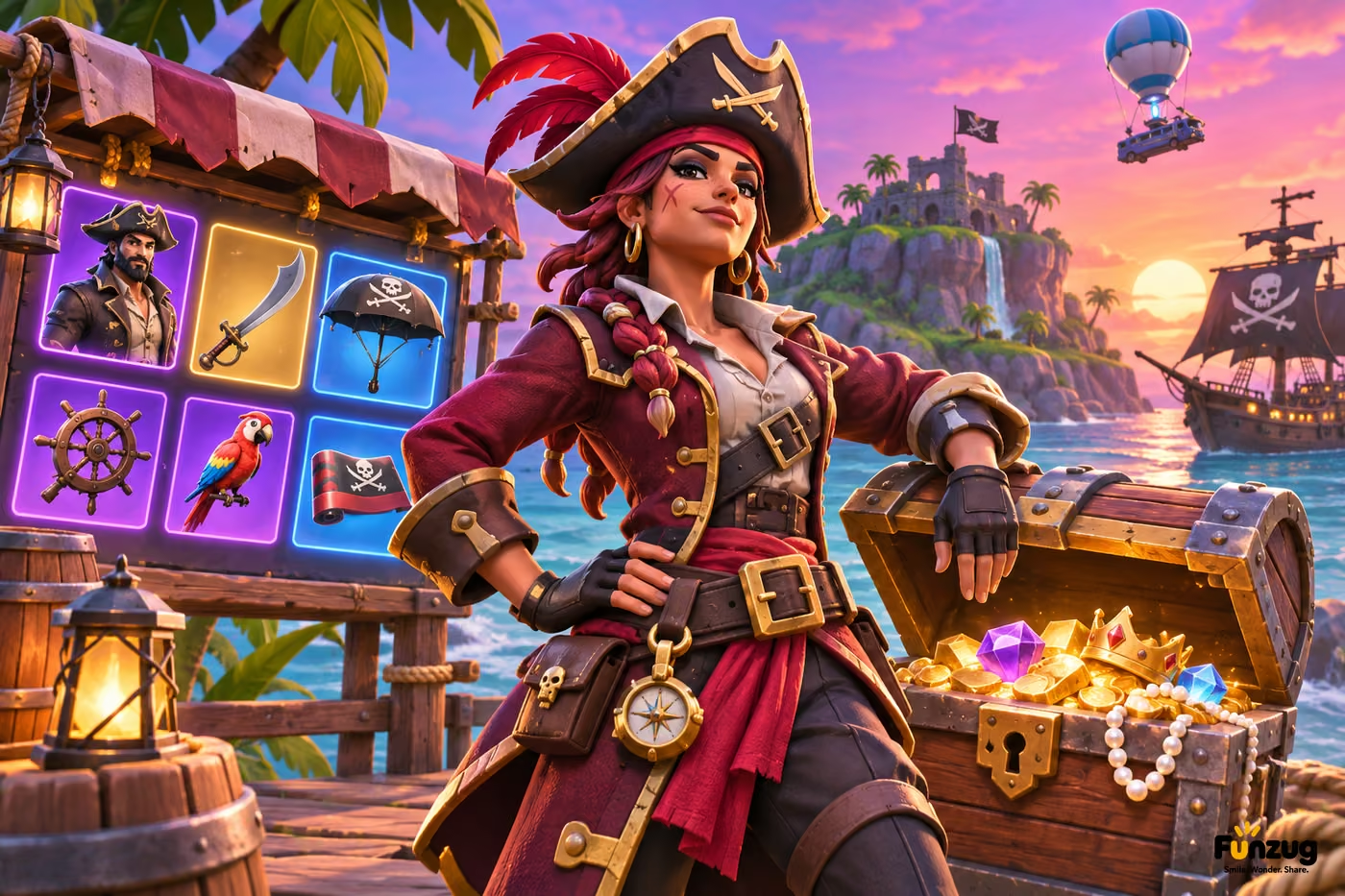
The reward arrived with the Treasure Hunters season, which began November 1. Epic’s season announcement introduced a new island, weekly captains, One Piece powers and new treasures. As players started hunting the rare reward, speculation about its drop rate spread across social media. Epic later published the odds in a Fortnite Status update.
Fortnite Pirate Shop token odds, explained
At 1 in 137,500, a single chest has a chance of about 0.00073 percent to award Pirate Shop Access during a normal match. The figure is easy to misread as a guarantee after 137,500 chests. It is not. A rate describes the chance on each opening; it does not create a countdown or a pity system that forces the reward to appear once a player reaches a threshold.
For a sense of scale, if each chest is treated as a separate roll at that rate, opening 137,500 chests would give roughly a 63 percent chance of seeing at least one token. It would still leave a substantial chance of finding none. That calculation is an illustration of probability, not an additional rule published by Epic.
Fortnite Status says the listed treasure rates have remained constant since the season began and do not vary through the day outside of Treasure Hours. During those limited windows, specific rewards receive boosts. Check the game’s current announcements for the next scheduled window, because the multiplier and timing can change from one event to another.
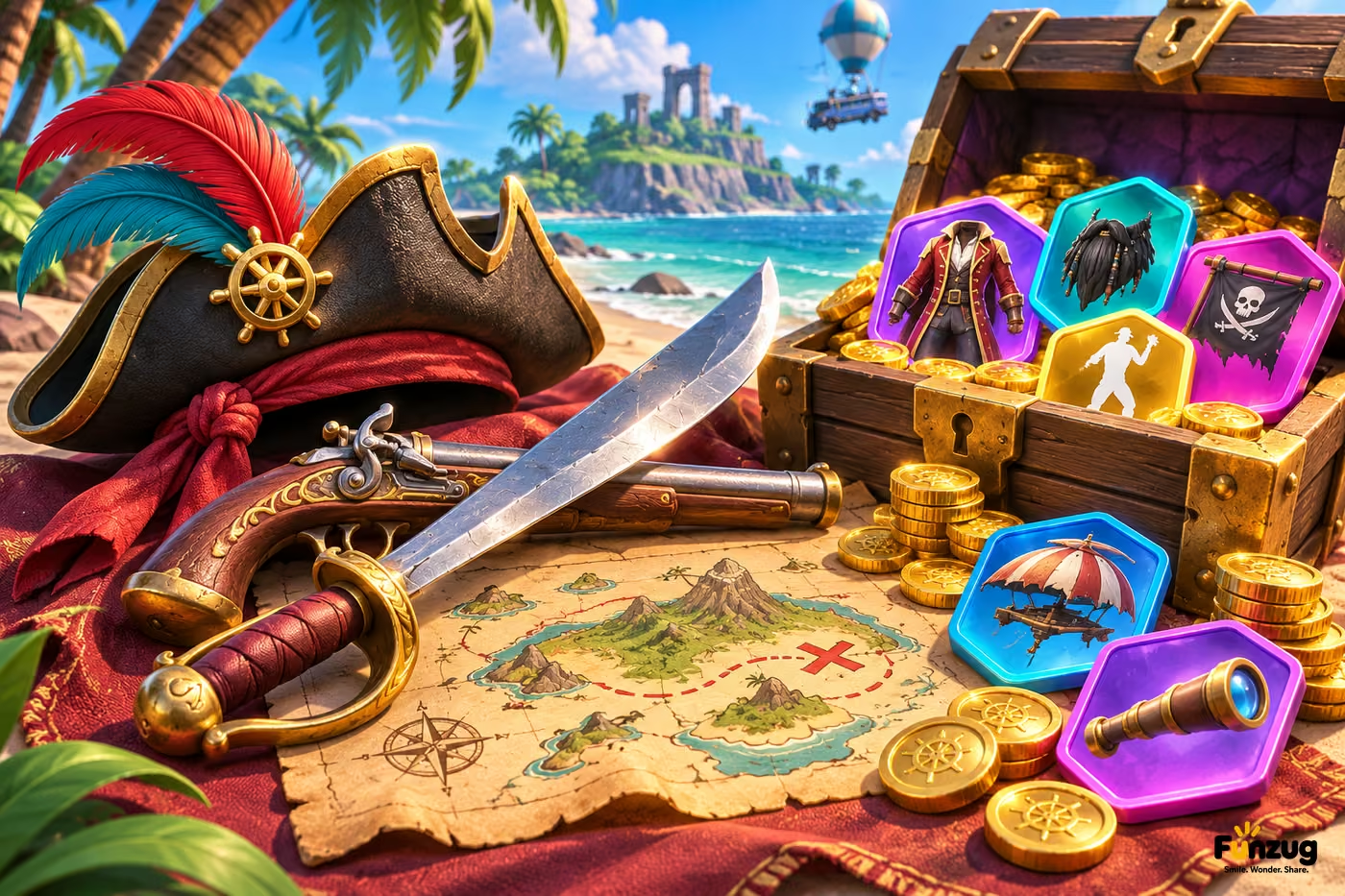
What the reward gives players
Reports on the new feature describe two separate 14-day activation periods, one for 2026 and another for 2027. Once activated, the period lets the player claim eligible cosmetics that appear in the Item Shop while access is active. It does not mean every item ever released will be available at once. The shop rotates, so the selection depends on what Epic lists during those days. VGC’s guide explains the reward and its two windows.
That distinction matters for anyone fortunate enough to find it. Players may want to wait until a rotation includes items they actually want, while keeping the relevant activation deadline in mind. Before using the reward, read the in-game terms carefully so the timer starts when intended and the eligible items are clear.
Why the token became a talking point
The contrast is striking: a highly desirable reward, a tiny chance and an unclear estimate in the season’s opening days. GamesRadar’s coverage tracked player interest as the community tried to work out whether the token was missing, bugged or simply rare. Epic’s published odds gave players a definite figure, though not a more attainable one.
The safest approach is to treat the Pirate Shop token as a bonus rather than a goal that can be forced through a long grind. Play the season for its map and events, and open chests as part of normal matches. Avoid accounts or outside tools that claim to produce the reward; Epic has warned that such offers can be scams. Only official Fortnite channels can confirm a change to the odds or an upcoming Treasure Hour.

How to approach the Pirate Shop hunt
The Fortnite Pirate Shop token is best treated as a rare extra, not a target with a predictable finish line. A player may open many chests without seeing it, while another may find one early. Fortnite Pirate Shop token odds describe an average chance across attempts, not a personal schedule. If the reward appears, check the in-game terms and Item Shop rotation before activating an access period. Keep the Fortnite Pirate Shop token in perspective: the season’s island, weekly events and collaboration powers remain available without it.
The Pirate Shop Access hunt is a neat example of how a live game can turn probability into a community event. Its numbers are clear now, but the outcome remains uncertain for every chest. Readers interested in the longer history of game obsessions can revisit Funzug’s look at addictive video games many players grew up with. The practical lesson is simple: one in 137,500 is a chance, not a countdown.


