

Europe Winter City Breaks: Find the Trip That Fits You
Europe winter city breaks are easiest to plan when you start with the experience you want, then check weather, connections and likely costs. A winter weekend can be a museum visit, a food-focused trip or a chance to see familiar streets with fewer crowds. The right choice depends on what you want the days to feel like.

The European Travel Commission’s autumn and winter report says 76 percent of Europeans plan an overnight trip between October 2026 and March 2027. City breaks and culture or heritage trips lead respondents’ plans, and 44 percent say they favour destinations that are less popular with tourists. The report covers ten European source markets, including the UK, France, Germany, Italy and Spain.
Choose Europe winter city breaks by the experience you want
If architecture and museums are the priority, look for a city where several attractions are close together and remain open in winter. If food is the draw, check market days and restaurant opening times instead of assuming every seasonal venue operates daily. For a slower weekend, consider a smaller city with train or airport connections and enough indoor options if the weather turns.
Less-visited does not automatically mean cheaper or easier. Compare lodging and transport for your dates, then check whether the attractions you care about require advance tickets. A smaller destination may suit travellers who prefer a quieter pace, while a major capital usually offers more choices when plans change. Travellers who want to add scenery to a culture-focused trip can also browse Funzug’s guide to Europe’s striking mountain landscapes before deciding how much time to spend in cities.
Consider how much of the trip you want to spend outside. A compact centre with cafés and galleries close to the hotel is convenient when rain or snow arrives. A destination built around long walks may be rewarding in clear weather, but should have a useful indoor alternative for a short daylight day.
Plan each day around daylight and opening times

Winter days are shorter, so put outdoor walks in the brightest part of the day and leave galleries, cafés or performances for later. Check sunset time for your dates and avoid packing a long list of distant sights into one afternoon. A flexible plan with one main booking each day leaves room for weather, queues and delays.
For Europe winter city breaks, a venue’s opening hours can matter as much as its headline attraction. Some attractions close on a weekday, reduce their hours in winter or require a timed ticket. If a place is central to the trip, confirm its schedule before you book travel around it. Keep a nearby backup activity in mind in case the weather makes an outdoor plan uncomfortable.
Keep the total cost and connections visible
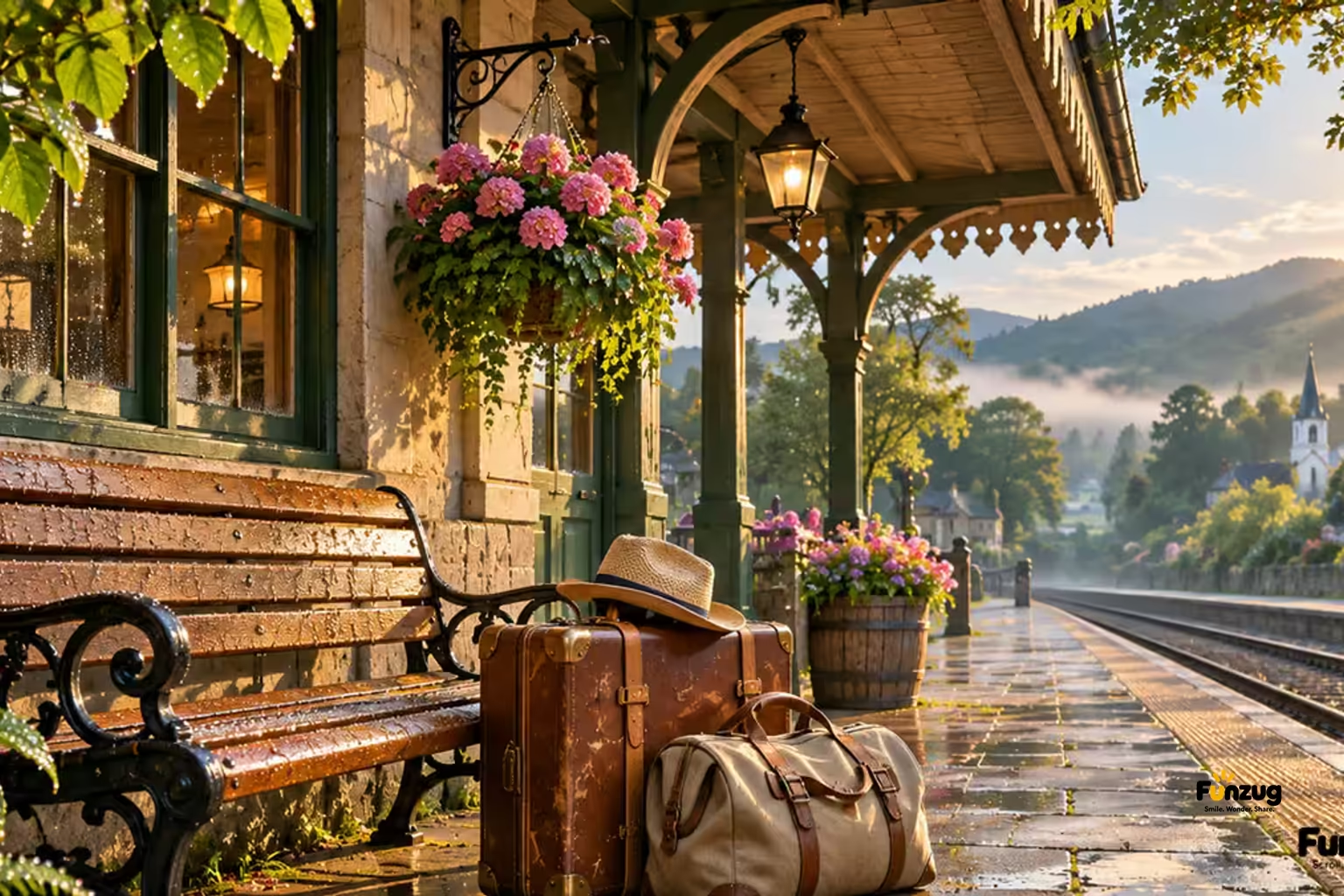
Compare the full trip cost: transport to the city, airport or station transfers, accommodation, meals, tickets and local transit. Prices can vary sharply by weekend and by event calendar. If your dates are flexible, compare midweek stays and shoulder-season dates. Check cancellation terms before booking, particularly when winter conditions could affect flights or trains.
Look at the whole journey, not just the advertised fare. A cheaper flight that arrives far from the centre or late at night may add taxi costs and lost time. Trains can make it easier to move between nearby cities, but schedules may change during engineering work or severe weather. Leave a buffer between connections and save key tickets offline.
The ETC report also says 40 percent of Europeans planning to travel use AI during inspiration, planning or booking. A chatbot can help organise ideas, but confirm opening hours, fares and entry rules with the venue or transport operator. Good planning combines a clear travel purpose with current details from the people running each service.
A shortlist of Europe winter city breaks is easier to judge when every option is measured against the same priorities: travel time, indoor alternatives and the experience you most want. Before booking, decide what would make the weekend feel worthwhile: one major exhibition, time to wander, a particular meal or a day trip. That simple priority helps narrow a long destination list and makes it easier to choose a city that matches your pace, budget and appetite for winter weather.


