

Paul Nicklen’s Wildlife Photography: Inside Reverence in London
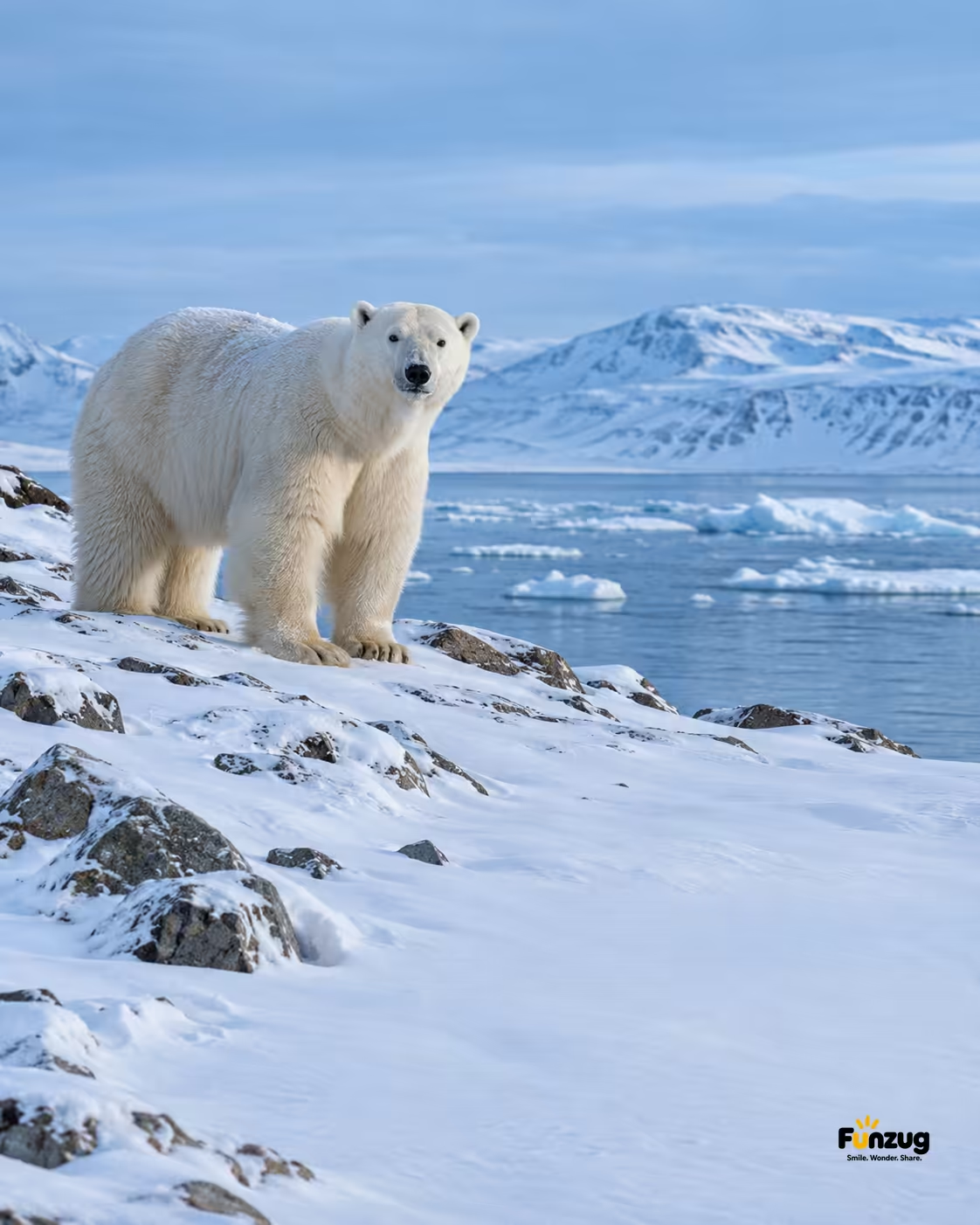
Paul Nicklen wildlife photography places viewers close to animals and landscapes that few people can experience firsthand. His first UK exhibition, Reverence, opened at Iconic Images Gallery in Piccadilly on November 12 and runs through January 2, 2027. The gallery says entry is free and no ticket is required. Its exhibition page lists current visitor details.
Paul Nicklen Wildlife Photography: Three Decades in the Field
Nicklen is a Canadian photographer, filmmaker and marine biologist who has spent more than 30 years documenting polar regions, the open ocean and the species that depend on them. Paul Nicklen wildlife photography is made in extreme conditions, often at close range. That combination asks for patience and technical control, but also a willingness to wait for animal behaviour rather than force a scene.
The exhibition includes photographs from Svalbard, Dominica and Kenya. The gallery describes a polar bear looking through a cabin window, meltwater falling from an ice cap and sperm whales sleeping upright beneath the surface. These moments are memorable partly because they show familiar animals in less familiar situations. The scale of the setting gives each image another layer, connecting an individual animal to its habitat.
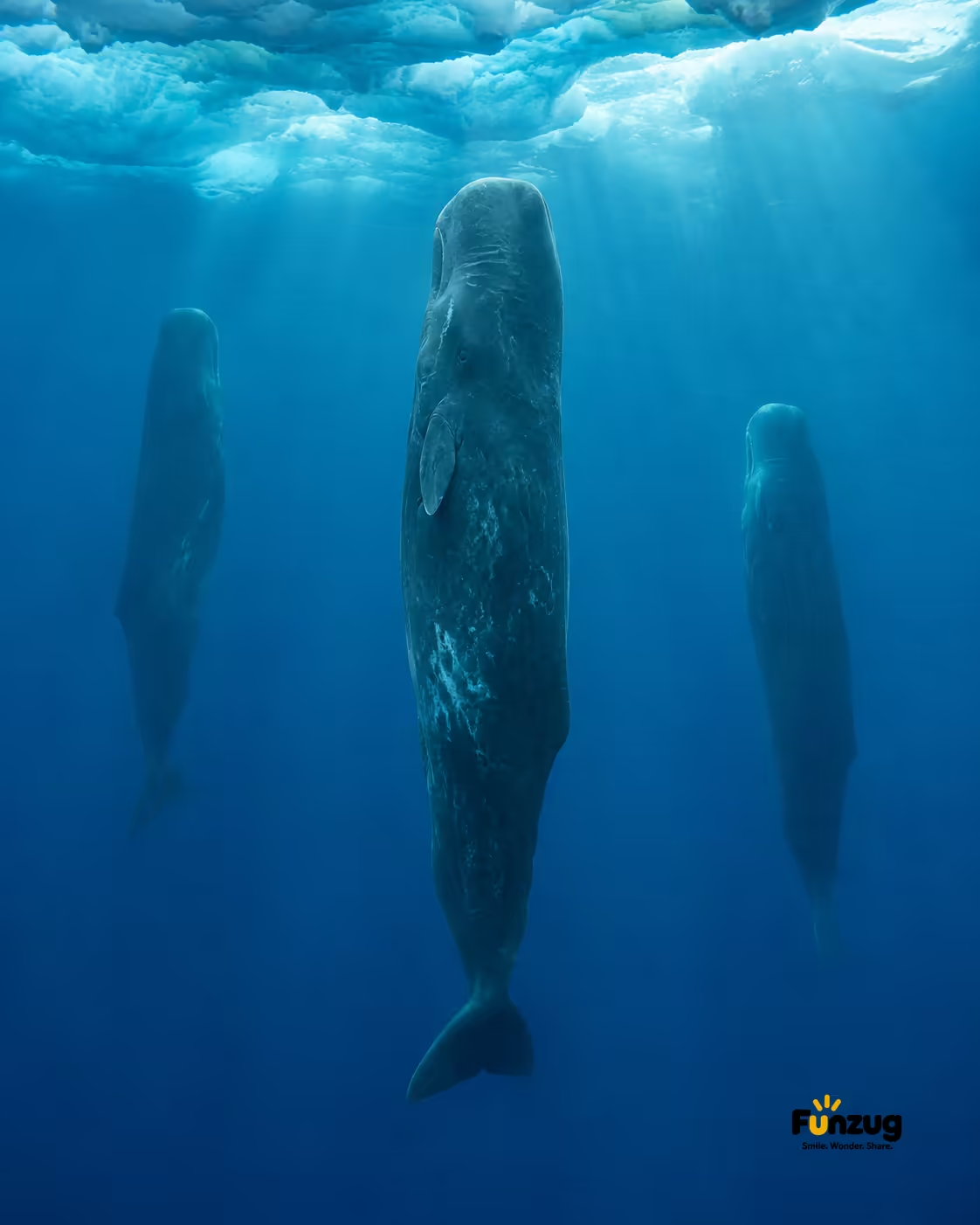
Why the close view matters
Wildlife photography can make a distant issue feel immediate. For readers discovering Paul Nicklen wildlife photography through this exhibition, a close portrait draws the viewer toward an individual animal, while the surrounding environment offers context. That is not a complete account of a species or ecosystem, but it can make people curious enough to learn more about conservation and the pressures on habitats.
Good field images also depend on restraint. A photographer must avoid disturbing wildlife, follow local rules and accept that an encounter may not happen. The resulting photograph may show only a fraction of the time spent waiting, travelling and working safely in difficult conditions. Patience and distance can matter as much as equipment when documenting animals responsibly.
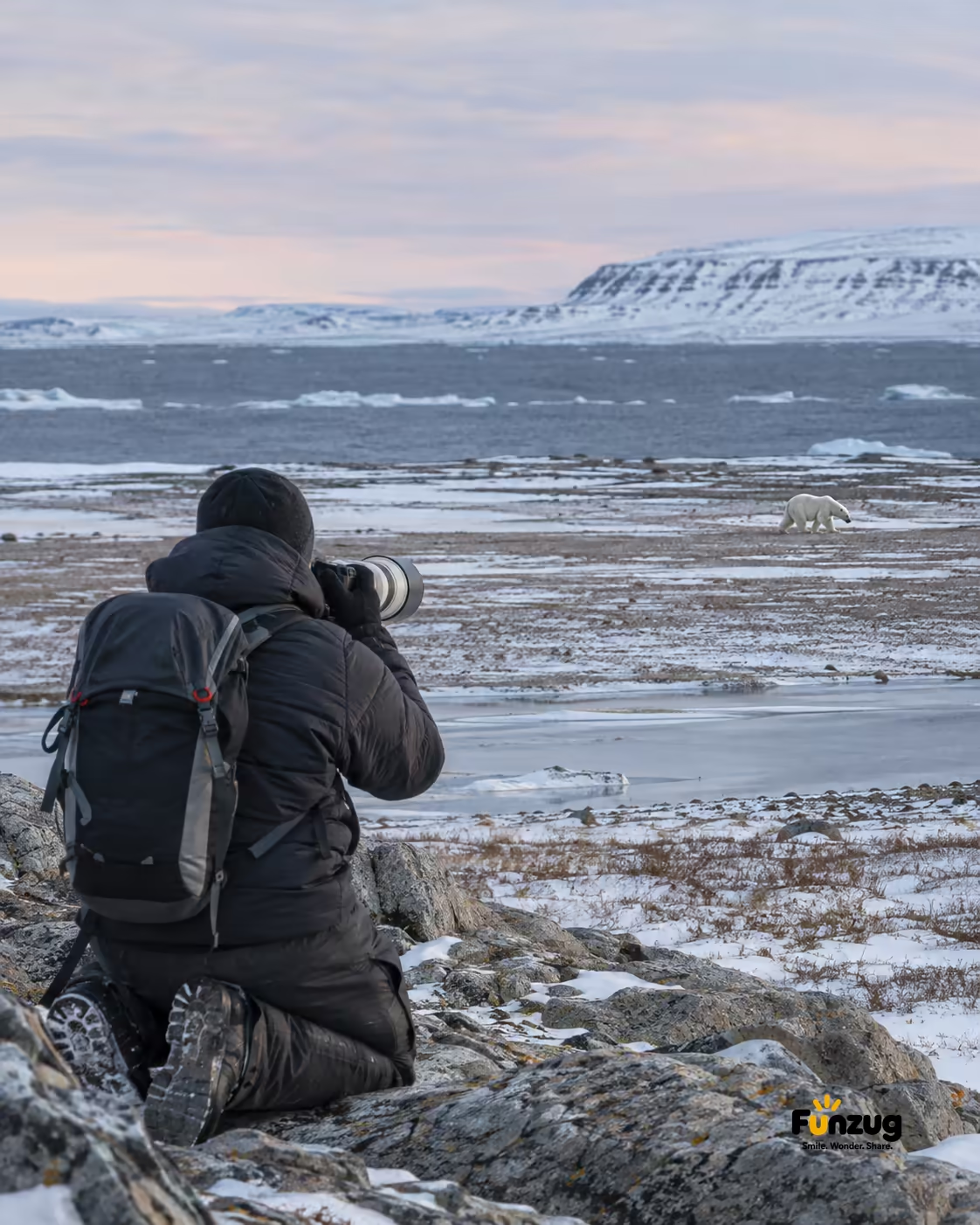
Look at how the background contributes to each photograph. Ice, water and forest are not just scenery. They show where an animal lives and can hint at the conditions it faces. A powerful image can invite a question, but readers should seek reliable conservation research before drawing conclusions about a whole population from a single scene.
Funzug has covered practical conservation design in wildlife crossings around the world. Nicklen’s work offers a visual counterpart by helping audiences see the animals that conservation measures are intended to protect.
Visit details
The gallery is at 16 Waterloo Place, St James’s, London, and is open Monday to Saturday from 11 am to 7 pm, according to the exhibition page. Check the venue’s site before visiting for current access information, opening hours and any changes. The show coincides with Nicklen’s 2026 book Reverence, which offers another way to revisit the photographs after a gallery visit.
The free entry makes this an accessible introduction to Paul Nicklen wildlife photography in a gallery setting, and it can fit into a day of central London sightseeing without a timed booking. Allow time to look closely, read the gallery notes and compare images rather than treating the room as a quick photo stop. The work is most rewarding when viewers take in the animal, the landscape and the circumstances that brought the photographer there.
Looking beyond the gallery
After the visit, readers can follow the questions an image raises: how an animal uses its habitat, what conservation work is active in that region and how researchers observe it without causing disturbance. A photograph can make the subject feel close, but informed follow-up keeps the picture in perspective. Look for material from conservation organisations and scientific teams working in the relevant region, and check whether a caption describes a single encounter or a broader pattern. Paul Nicklen wildlife photography is memorable when it combines a clear visual story with the sense of a much larger world beyond the frame.


