Europe Border Checks: EES Is Live, ETIAS Is Not
Two new travel acronyms have left some visitors wondering whether they need to complete paperwork before a European trip. The short answer, as of November 2026, is that the European Union’s Entry/Exit System (EES) is operating at participating external borders, while the European Travel Information and Authorisation System (ETIAS) is not yet collecting applications. Knowing the difference can help you prepare without paying a third party for an application that is not open.
Table of Contents
What EES records
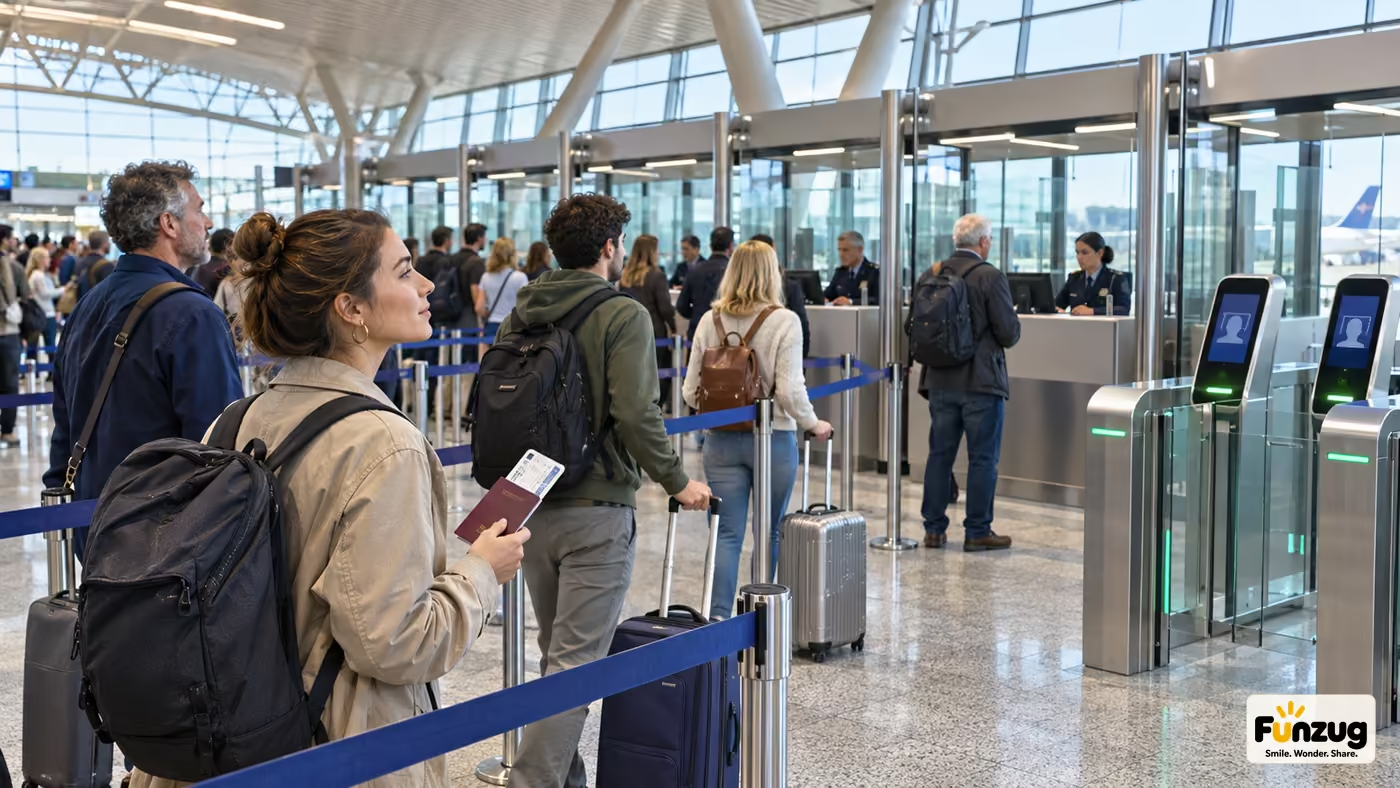
EES is the EU’s digital record of certain non-EU nationals entering and leaving participating European countries for a short stay. It applies to eligible visa-required and visa-exempt visitors, subject to the system’s exceptions. The system records travel-document details and entry and exit information. At a first crossing since implementation, travellers may be asked for a facial image and fingerprints, depending on their circumstances and the border process.
The EU says EES became fully operational on April 10, 2026, after a phased rollout. It replaces manual passport stamping for the travellers it covers. It does not change the short-stay limit itself: the usual rule for covered visits remains up to 90 days in any 180-day period across the participating countries. The system records the crossings electronically so authorities can calculate permitted stay periods and identify overstays.
Who may encounter it
A US or UK passport holder visiting for tourism is generally a non-EU national travelling visa-free for a short stay, so EES may apply when entering through an external border of a country using the system. The exact rules depend on nationality, residence status, visa and trip purpose. It is not a separate check every time you cross from one Schengen country to another. Border checks take place at the external frontier, such as when arriving from outside the participating area.
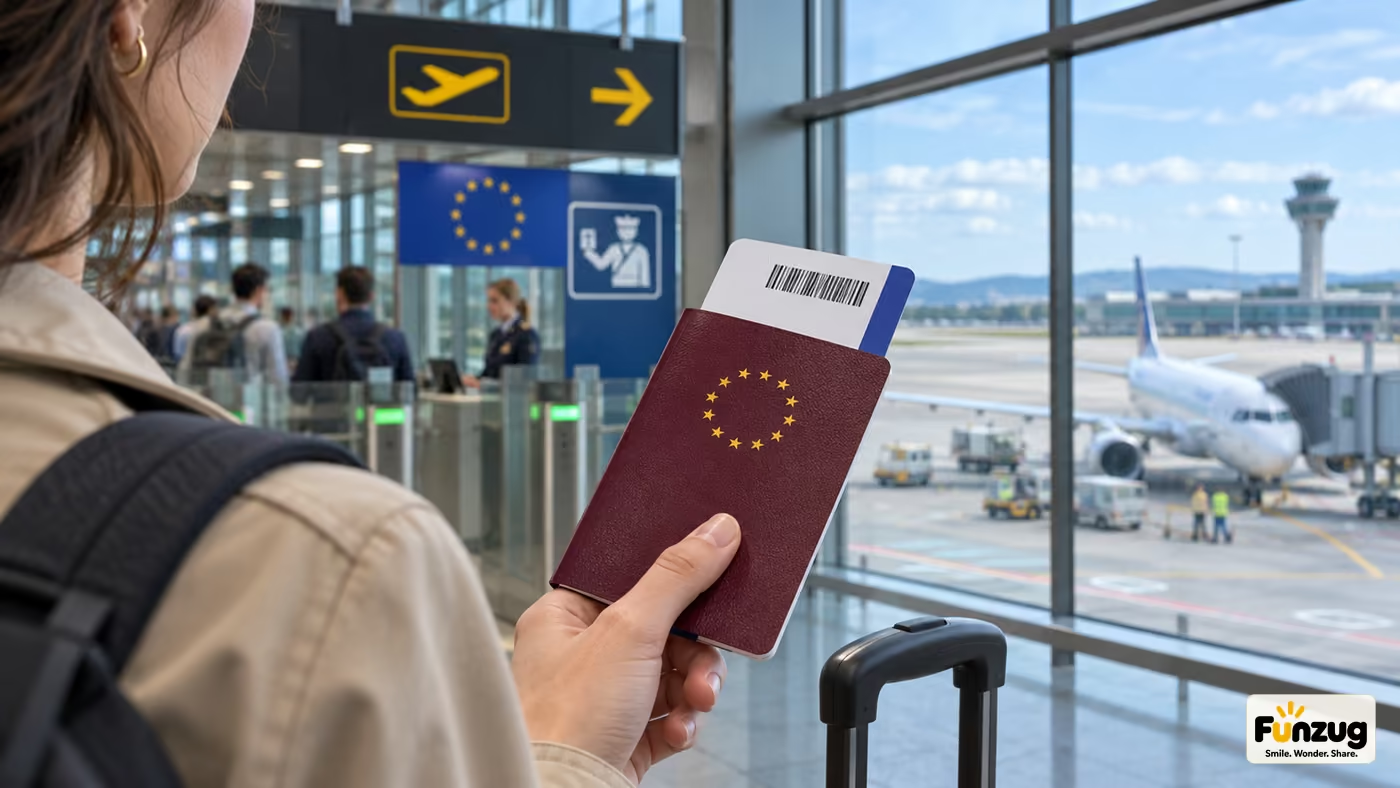
If it is your first covered crossing, allow extra time for the border process, especially at a busy airport or port. Follow instructions from border staff, keep your passport ready and check the airport or ferry operator’s advice. A biometric passport is not required for entry, according to the EU FAQ, although it may be needed for optional self-service systems where available.
What ETIAS is, and what it is not
ETIAS is a separate travel authorisation planned for visa-exempt non-EU travellers visiting the countries that will require it. It is not a visa and it is not the same database as EES. As of November 2026, the official EU site says ETIAS is not in operation and is not accepting applications. The EU says it will announce the launch date several months in advance.
That means a traveller should not search for an unofficial “early application” service or enter passport details and payment information on a site claiming to issue ETIAS now. When the system opens, use only the official EU website or application named by the authorities. Requirements may change before a future trip, so recheck close to departure rather than relying on an old social post or booking page.
A quick pre-trip check
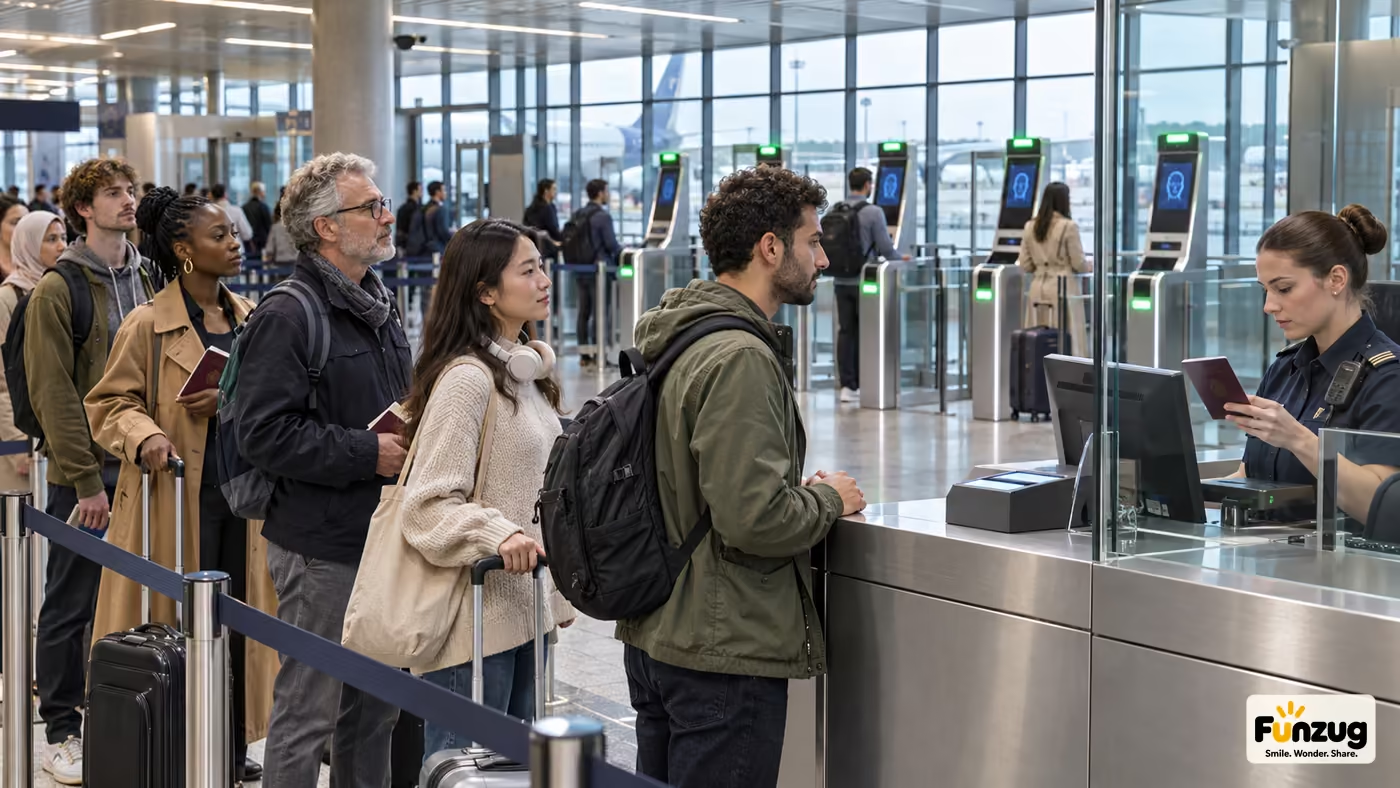
Before you leave, confirm whether your nationality and residence status fall under EES or future ETIAS rules, check the entry requirements for every country on your itinerary, and review current airline and border guidance. Keep enough time for the first external-border check. Funzug’s destination-planning guide is a reminder that the airport is only one part of a trip; this time, a little preparation at the border can make the start less stressful.
For the latest details, consult the EU’s EES FAQ, step-by-step EES guide and ETIAS FAQ. These official pages explain who the systems cover and which steps are currently available.