The Fake Shop at the Top of Search: A Holiday Scam Checklist
Holiday shopping scams can begin with an ordinary search. You type the name of a product, click what looks like the official store and land on a polished page offering a steep discount. The Federal Trade Commission warned shoppers on November 20 that scam sites can appear in paid search results beside legitimate businesses, making a familiar logo or top placement a weak test of trust.
Table of Contents
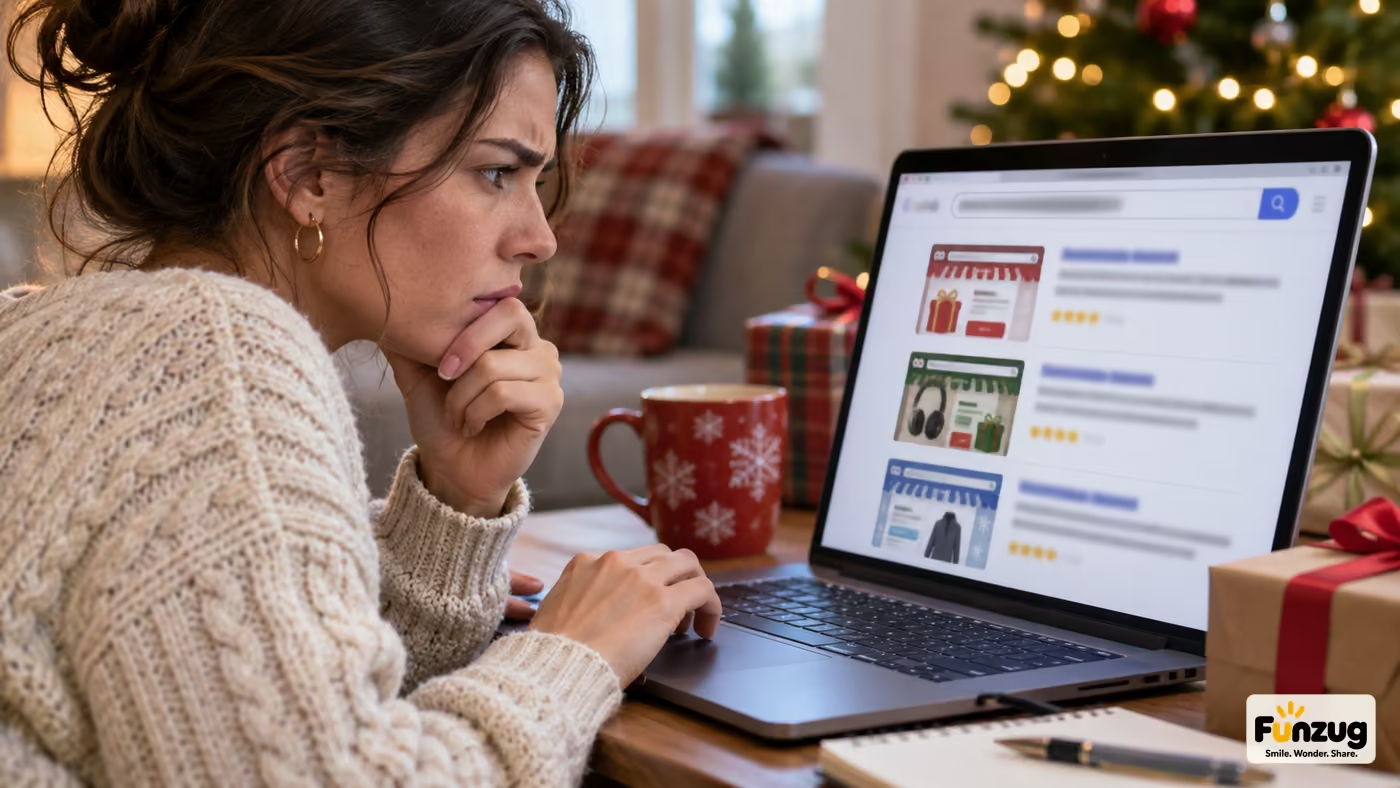
The risk is more than receiving a cheap imitation. A fake shop may collect a payment and never send anything, or ask for personal information that can be misused. A quick pause before checkout can help you check the seller and the offer without turning every purchase into a research project.
Holiday shopping scams: checks before you pay
Search engines show advertisements as well as ordinary search results. Sponsored placement means a business paid for visibility; it does not, by itself, prove the store has been checked by the retailer whose name appears in the ad. Scammers can imitate product photos, brand names and page layouts, then use a price that feels like a once-only opportunity to hurry a shopper through checkout.
That is why a search for a well-known brand or a hard-to-find gift can still surface a risky result. The FTC recommends not assuming that the top listing is the real company. A familiar name in the headline is not enough. Check the web address and who is actually selling the item.
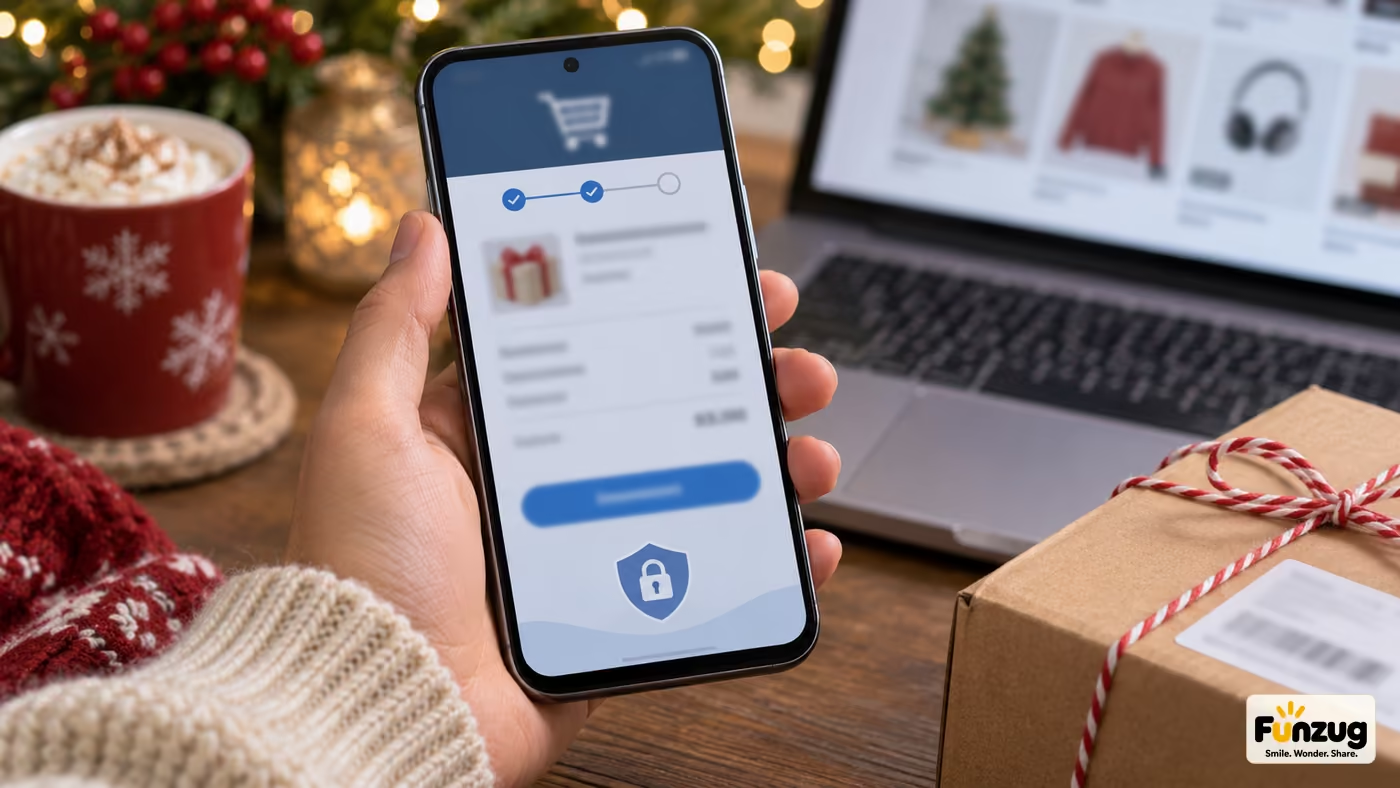
Four checks before you enter payment details
1. Go to the store directly. If you know the retailer’s address, type it into the browser or use a bookmark. You can also find the retailer through a separate search and compare the address carefully. Avoid using a link from an unsolicited text, email or social media message.
2. Check the seller, not just the product. Search for the store name and web address with words such as “complaint,” “review” or “scam.” Read several results and look for specific details about delivery, refunds or customer service. A string of perfect reviews posted at the same time is not strong evidence by itself.
3. Compare the offer with other stores. A price dramatically below the normal range deserves extra scrutiny, especially when a countdown or “last chance” message discourages you from checking. Verify the model, size, included accessories and shipping date on the retailer’s own site.
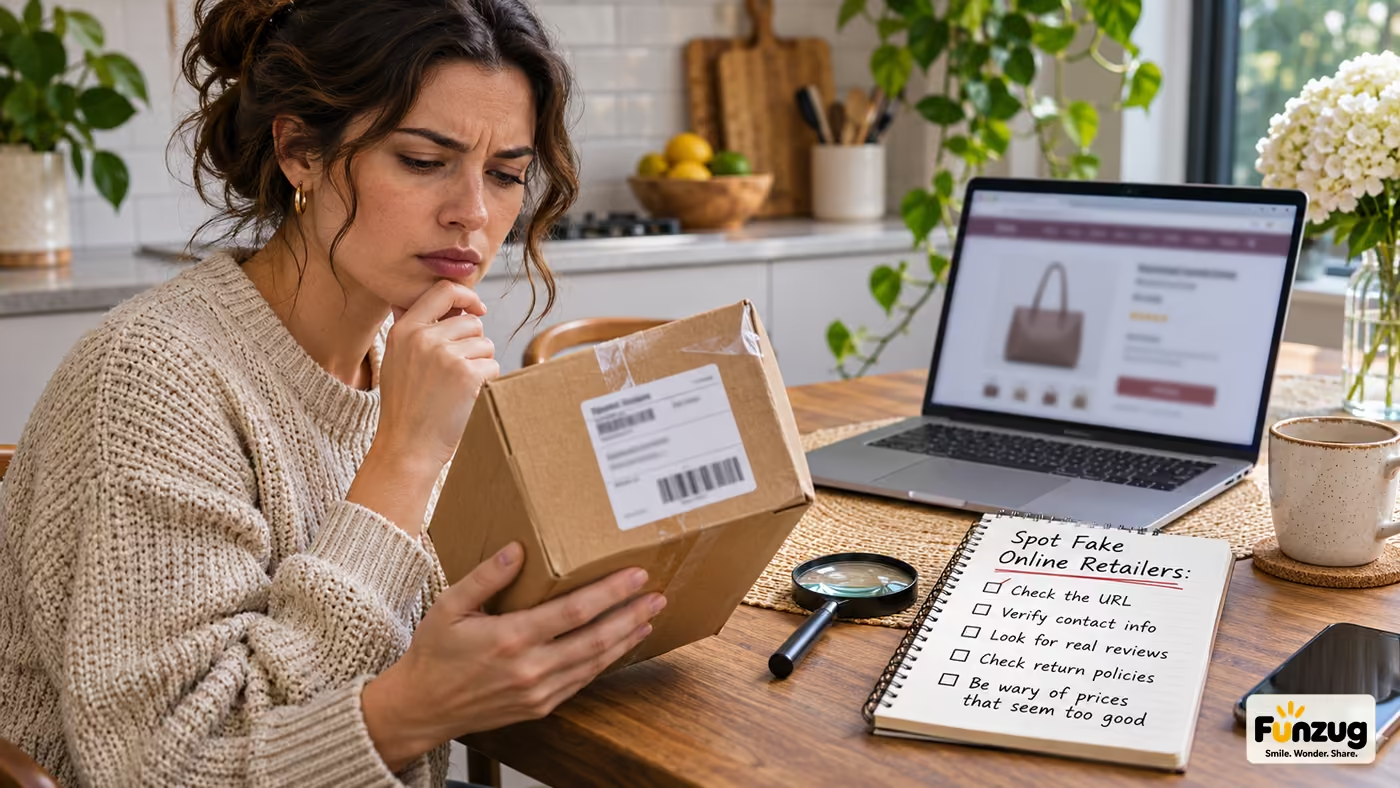
4. Read the checkout and return terms. Review the full total, delivery estimate and refund policy before paying. A seller that insists on gift cards, wire transfers or cryptocurrency is a serious warning sign. Use a payment method that gives you a way to dispute an unauthorised or missing purchase.
If you already clicked
If you entered a password, change it on the real service and anywhere else you reused it. If you submitted payment details, contact your card issuer or payment provider using a number from its official website or the back of your card. Save the order page, receipt and messages. The FTC accepts reports at ReportFraud.ftc.gov, and its holiday shopping alert explains how fake search listings work.
A useful pause, not a fear of every ad
Most search results and promotions are not scams, but paid placement is not a substitute for checking who will take your money. When a gift is hard to find, take the extra minute to visit a known retailer, compare the seller’s address and read the refund terms. A saved bookmark and a short seller check can keep a seasonal bargain from turning into a frustrating chase for a refund.
One more detail matters when the product is in short supply. A scammer may copy a real company’s photographs or use a social media ad that looks professionally produced. Search for the seller’s name independently, inspect the address bar after the page opens, and avoid entering a verification code that arrives unexpectedly. Legitimate customer service should not need your account password or one-time security code.
For an unfamiliar seller, check whether the contact page gives a working business address and a clear way to get support. A return policy should explain how to request a refund and who pays return shipping. If the terms are missing, copied or impossible to understand, that is a reason to choose another seller. The FTC’s advice is straightforward: slow down, verify the store and keep records of the order.
Holiday shopping scams often borrow the look of a familiar retailer and add urgency to discourage a closer look. Compare the store name, payment terms and return policy before you buy. Funzug’s guide to six red flags in holiday shopping scams covers more warning signs.