

Two New Howler Monkey Species Were Hiding in the Amazon. Here’s How Scientists Found Them
Two newly described species of howler monkey have been identified in the Amazon basin, adding to a group of primates known for calls that carry across the forest. The discovery did not come from a sudden encounter with an unknown animal. Researchers compared specimens, field observations and genetic evidence to show that populations long grouped under one name represent distinct species.
That kind of work is less cinematic than finding a new animal on a remote trail, but it can change how scientists understand a region’s wildlife. If separate populations have different evolutionary histories and ranges, conservation plans may need to account for them individually.
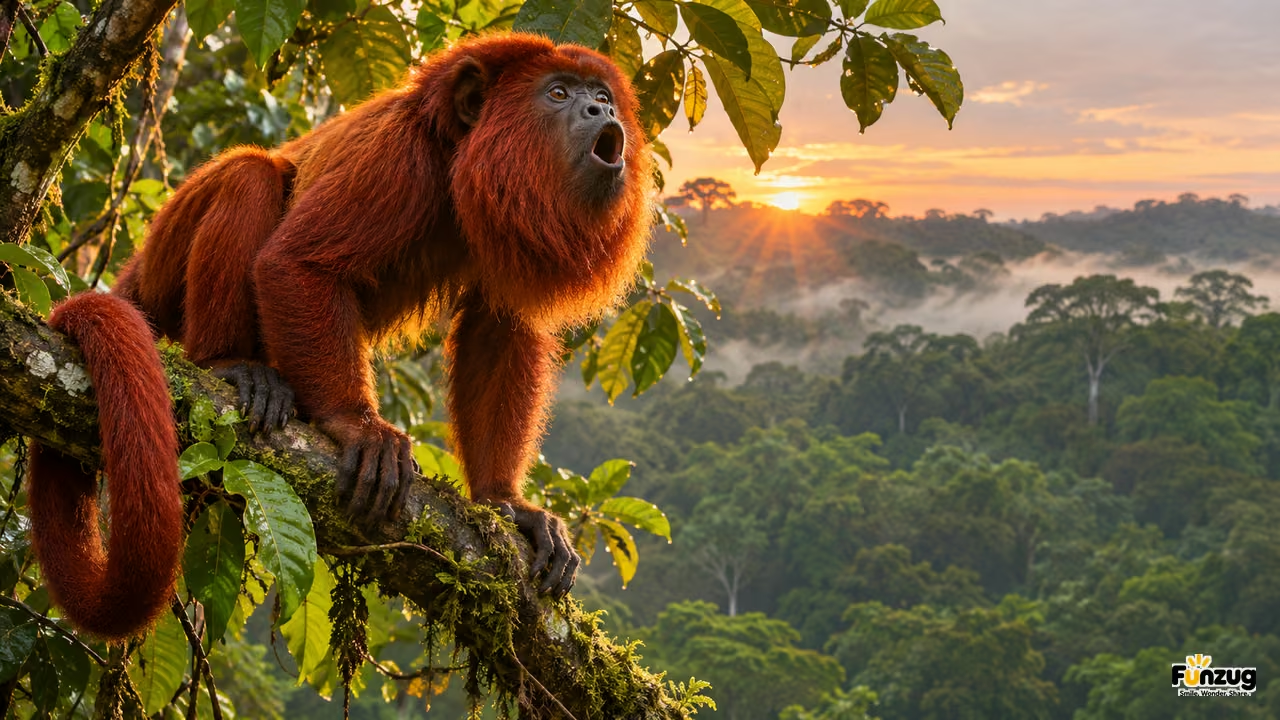
What makes a species new?
Species identification usually relies on several lines of evidence. Researchers can compare body shape, skull features, coloration, vocalizations, habitat and DNA. No single difference automatically settles the question. A useful classification explains how populations differ and whether those differences fit a distinct, stable lineage.
Howler monkeys can be challenging to study because several species have similar appearances, and some live in difficult-to-reach parts of the forest. Their loud calls help researchers locate groups, but vocalizations are only one clue. Museum collections also matter: specimens collected decades ago can be re-examined using modern imaging and genetic tools.
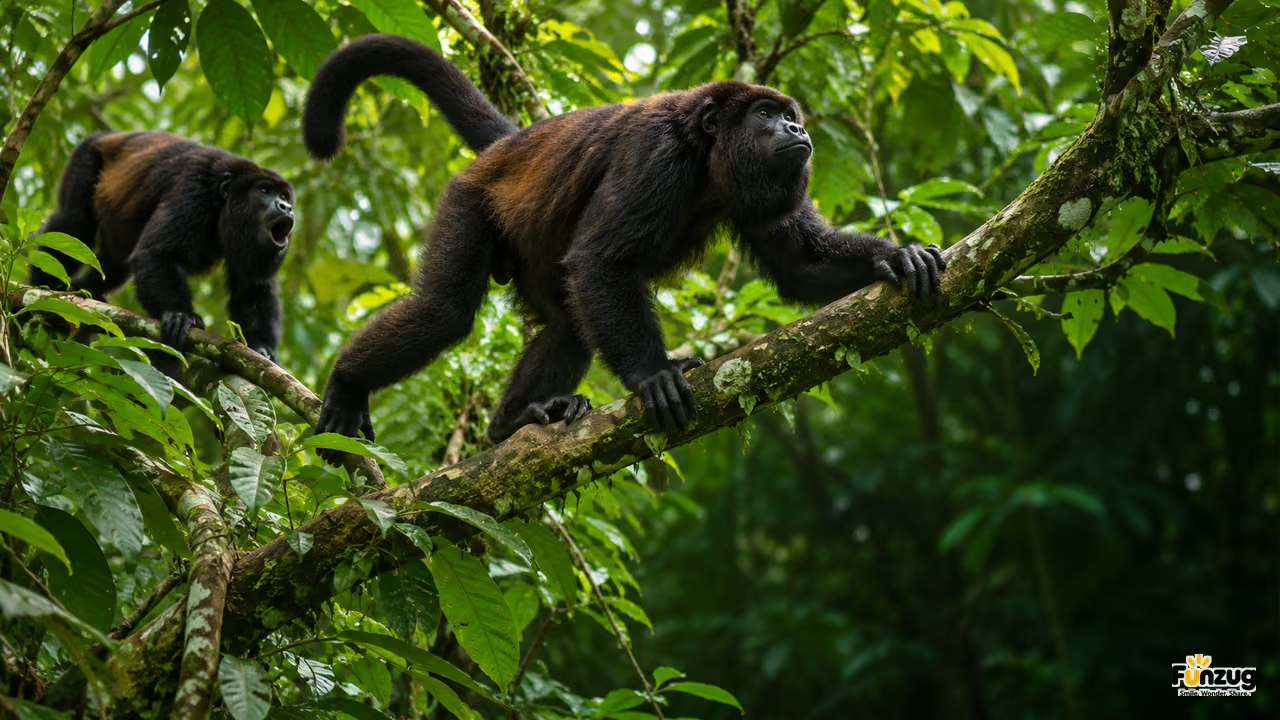
Why the Amazon’s diversity is still being mapped
The Amazon is enormous, and its forests vary from flooded lowlands to upland habitats separated by major rivers. Such barriers can limit movement between animal populations. Over long periods, a group isolated on one side of a river may develop traits that distinguish it from relatives elsewhere.
Researchers from the University of Salford and their collaborators combined fieldwork with examination of physical and genetic traits to reassess howler monkey diversity. Their results describe two Amazonian species that had previously been overlooked within a broader classification. The study is a reminder that a familiar animal can still hold unresolved biological questions.
Recognition can change conservation priorities
A newly named species is not automatically endangered. Its status depends on its range, population size, habitat pressures and how quickly those pressures are changing. Yet splitting a widespread species into smaller, separately distributed species can reveal that one group has a much more limited range than scientists previously realized.
That matters in a region affected by forest clearing, roads, fires and expanding human activity. Conservation teams need accurate maps of where species live before they can estimate which populations face the greatest risk. Better taxonomy can make those maps more useful.
How researchers confirm what they see
The announcement should be read as a scientific classification based on accumulated evidence, not as a claim that every howler monkey can be identified at a glance. Researchers continue to study behavior, habitat and variation within each population. Future surveys may refine the boundaries or find additional groups that deserve closer attention.
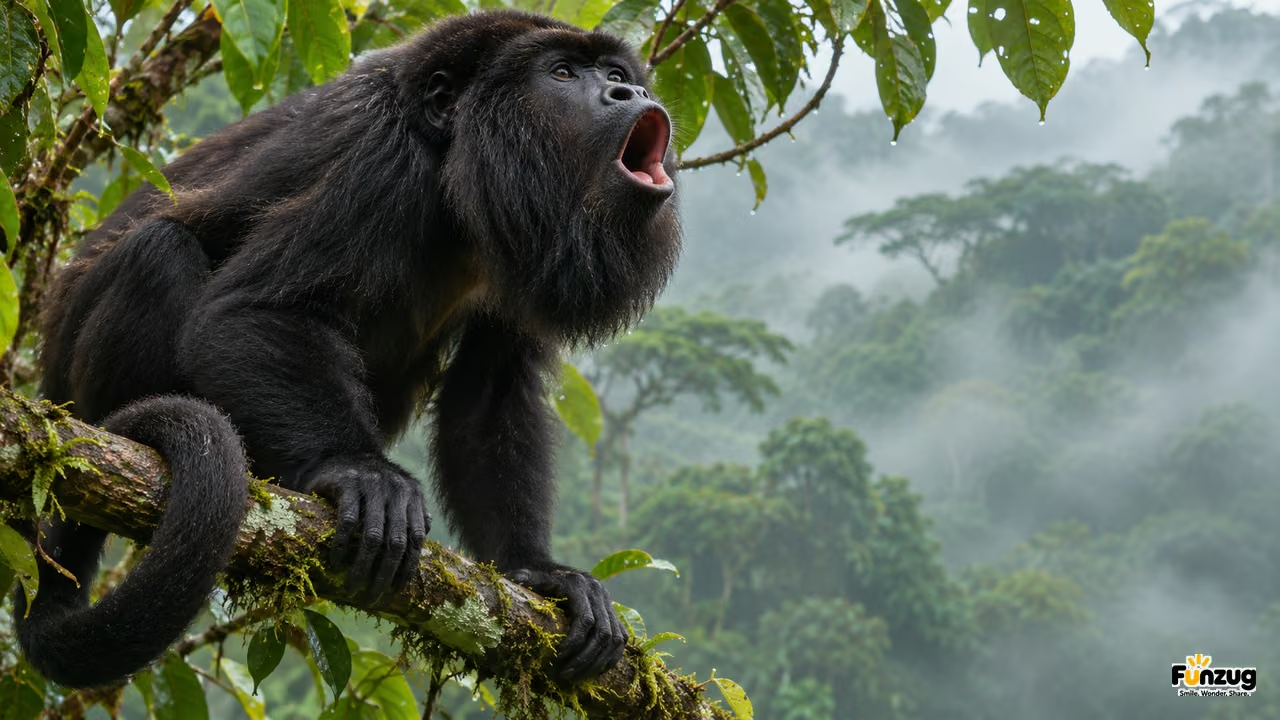
The University of Salford’s report summarizes the discovery, while the peer-reviewed study in Communications Biology provides the formal evidence and methods. Funzug’s earlier look at surprising animal species described in recent years offers more context on how discoveries can emerge from careful comparison as much as from exploration.
For readers, the story is a useful reminder that “new species” does not always mean an animal nobody has ever seen. Sometimes the important news is that scientists have finally assembled enough clues to recognize a distinct branch of life already living in a vast and still incompletely understood forest.
For researchers, the next step is to compare more populations across the basin and test whether the newly recognized groups differ in ways that affect their survival. Field surveys can help fill gaps in distribution maps, while collection records preserve evidence from places that have since changed. The work also shows why long-term scientific collections remain valuable: they allow new tools to answer questions that earlier researchers could not yet resolve. For visitors and readers, the discovery adds detail to a familiar rainforest soundscape and points to how much careful observation still has to teach us about the Amazon.


