

Inside Agatha Christie’s World of Mystery at the British Library
The Agatha Christie exhibition in London offers a closer look at how the author’s interests and working habits fed into her fiction. Christie’s mysteries are famous for carefully placed clues, but the writer’s own life also moved through landscapes and interests that shaped her fiction. The British Library’s Agatha Christie: A World of Mystery opened on October 30 and runs until June 20, 2027. The exhibition looks beyond the finished novels to the person who made their puzzles work.

What the Agatha Christie exhibition reveals
The British Library says the display examines Christie’s life and work, including the creation of characters such as Hercule Poirot and Miss Marple. Materials include manuscripts and personal objects, with attention to her travels, archaeology and pharmacology. These details matter because Christie often turned observation and specialised knowledge into narrative tools. That context makes the Agatha Christie exhibition more than a display of memorabilia; it links the objects to how a mystery is built.
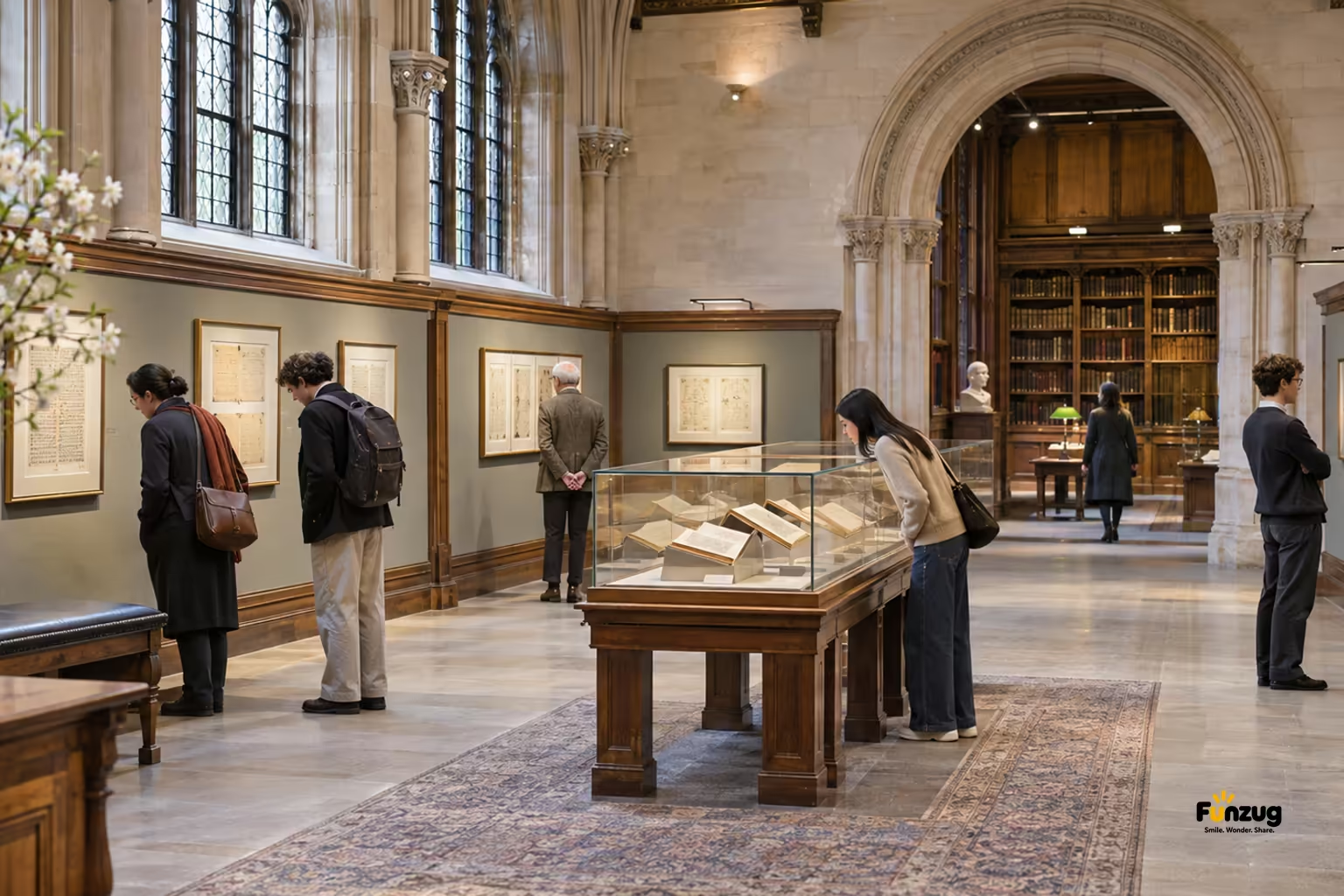
The Agatha Christie exhibition also places the books in a broader literary context. Visitors can consider how Christie managed expectations, what a clue looks like before it is arranged on the page and how a detective’s character guides an investigation. Rather than treating every object as a solution to a mystery, notice how a writer’s working habits can make a complex plot feel clear.
Pay attention to the process as well as the finished work. A manuscript can show revision, while letters and personal objects offer a glimpse of the interests that surrounded the writing. The value of archival displays is often in the small details: a change of wording, an outline or a recurring subject may help explain how a story took shape.
Why Christie still invites readers to investigate
Her stories reward attention. A casual remark, a timetable or a change in behaviour can become important only after the reader learns more. Re-reading is part of the pleasure because a scene that seemed ordinary can look different once the ending is known. Funzug’s article on mysteries that were eventually solved offers a related look at real-world puzzles that continue to attract curious readers.
The exhibition can also prompt a new reading question: how does Christie direct attention without making the answer obvious? Compare the clues a character notices with the details the reader receives. That gap between what is visible and what is understood is one reason detective stories remain satisfying across generations.

Plan a visit to the British Library
The exhibition is a London option for visitors already planning a cultural day. The British Library is on Euston Road and lists tickets from £20 for off-peak visits and £25 at peak times, with concessions available. Confirm current hours, ticket availability, access information and any age guidance on the official page before setting out.
Allow time to read the display labels and move at your own pace. Visitors who know Christie’s work may enjoy comparing archival documents with the controlled voice of the novels. Newcomers can use the exhibition as an entry point to a writer whose plots depend on character as much as structure. Either way, a slower visit is likely to be more rewarding than rushing from one famous name to the next.
For a broader London day, check transport and opening hours for nearby attractions before combining visits. Leave time for a meal or a bookshop stop, and keep your ticket details accessible on your phone. The exhibition runs through June 2027, but ticket times and prices can change, so use the library’s official listing as the final source for practical information.
Before visiting the Agatha Christie exhibition, decide which parts of Christie’s career interest you most. Readers may focus on Poirot and Miss Marple, while writers may want to compare manuscripts with the finished stories. The exhibition’s archive gives both groups a chance to look closely at the choices behind a memorable mystery.


