

Paris Photo 2026: How Photography Keeps Changing
Paris Photo 2026 connects early photographic processes with contemporary image-making during the medium’s bicentenary. The fair’s 29th edition takes place at the Grand Palais from November 12 to 15. Its official programme spans historical photography, current practice and changes in how images are made and shared.
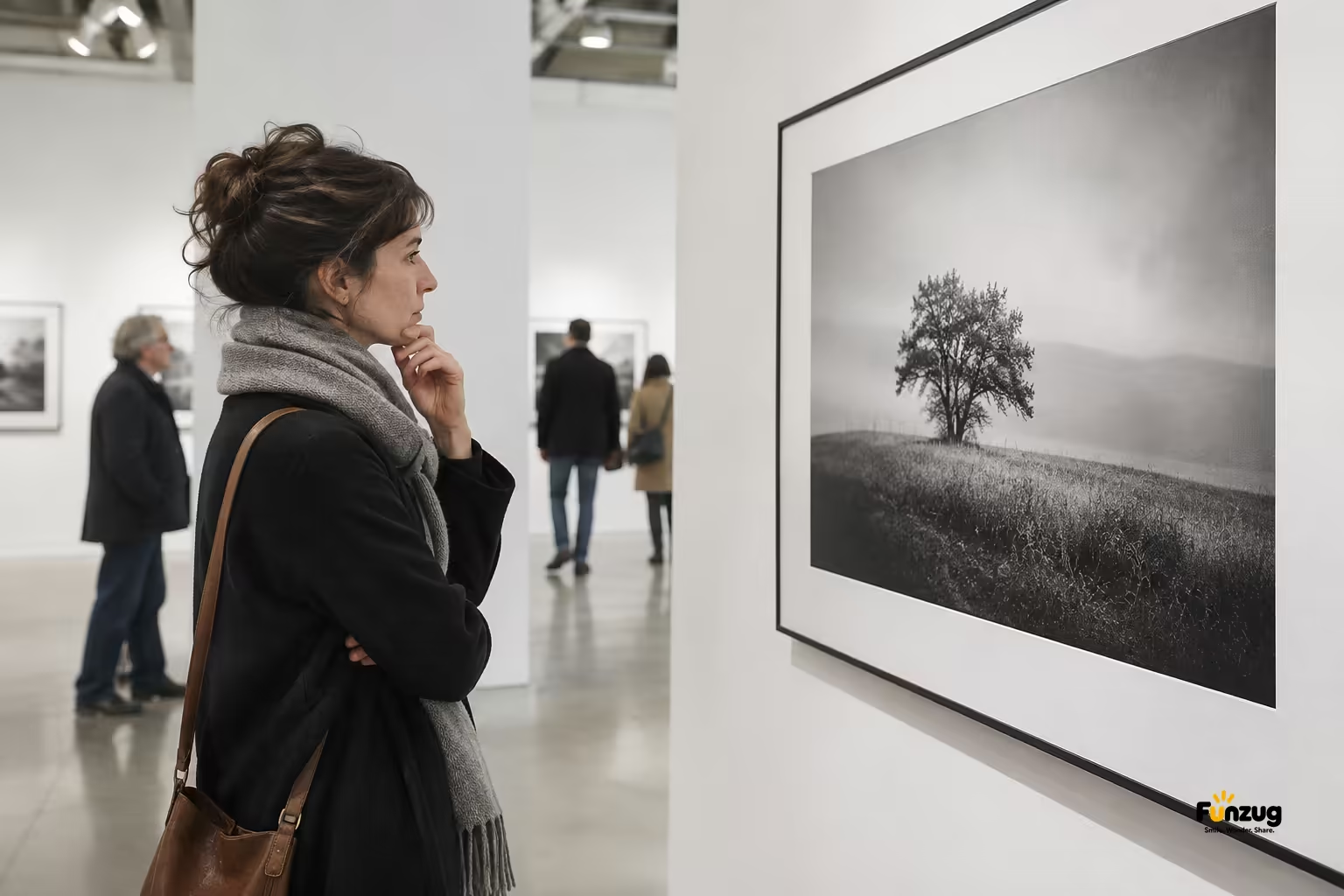
A fair built around different ways of seeing
The programme brings together galleries, artists, publishers and institutions. Paris Photo lists six sectors: Principal, Prismes, Voices, Digital, Emergence and Editions. That range shows how photography can be a print, an artist’s project, a photobook or a digital experience. Visitors can move between these formats within a single event.
For readers interested in how everyday devices shape photographs, Funzug’s guide to smartphone photography tips offers practical context. The bicentenary raises a useful question: what changes when a medium becomes part of everyday life? Early photography was slow and materially demanding. Today, a phone can make and distribute an image in seconds. The technology has shifted, but choices about framing, sequence, access and authorship still shape the way photographs communicate.
How Paris Photo 2026 presents photography
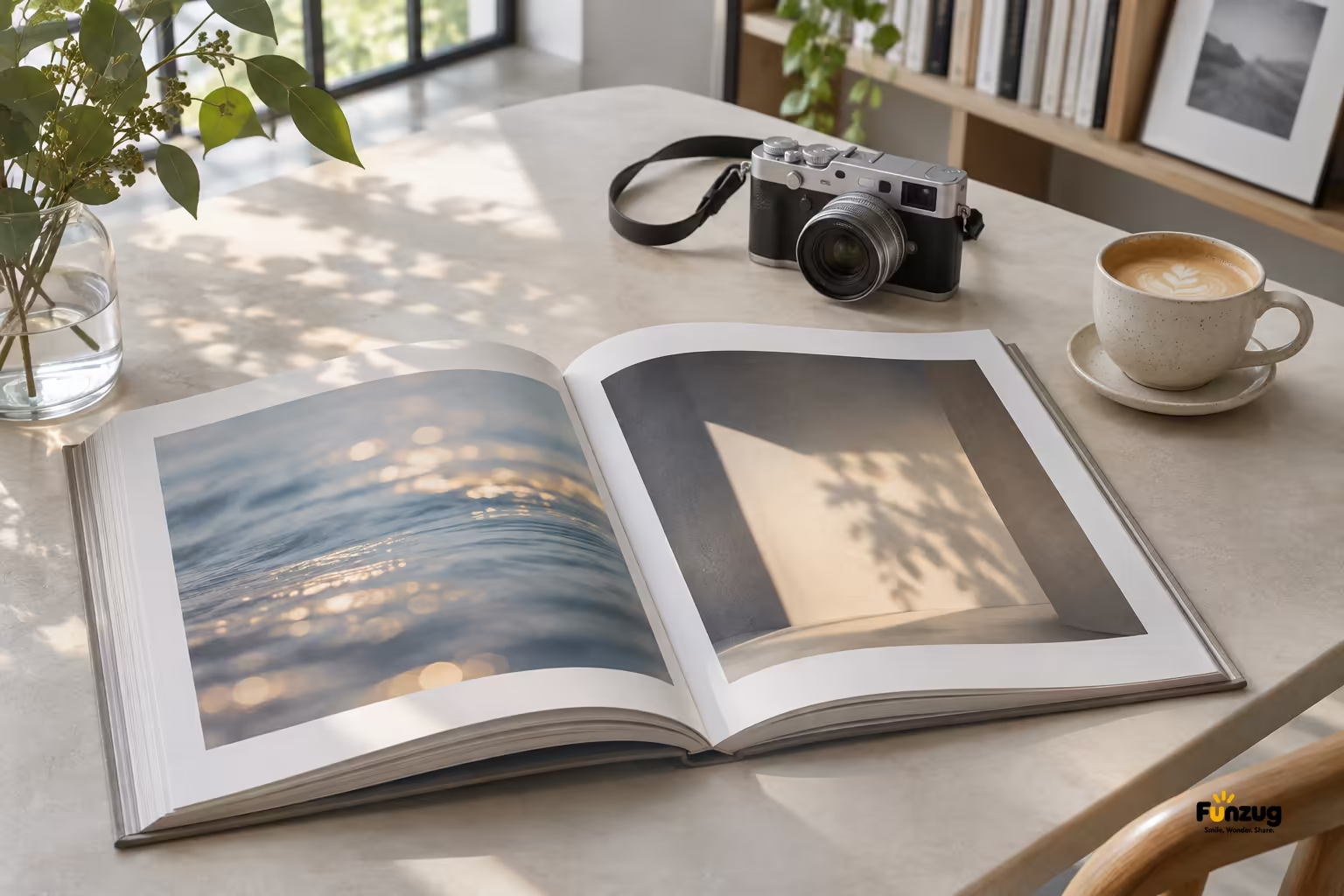
When viewing a print, notice its scale, surface and distance from the viewer. A photograph can feel different when it is larger than a page or placed beside a sequence. In a photobook, each page turn controls what appears next. In a digital project, the image may respond to movement, sound or a visitor’s route through the work.
The programme also includes Elles × Paris Photo, a path highlighting women artists in photography’s history. Curatorial choices affect whose work is visible and how the medium’s past is told. Visitors can compare the works with the captions and groupings around them. The description around an image can change what a viewer notices, so take time to read it rather than moving quickly from one display to the next.
For a more focused visit, choose one question before arriving. You might look for changes in portraiture, how photographers represent place or the relationship between a printed image and its original context. That small focus makes a large fair easier to navigate without limiting what you can discover along the way.
Plan a visit before the fair closes
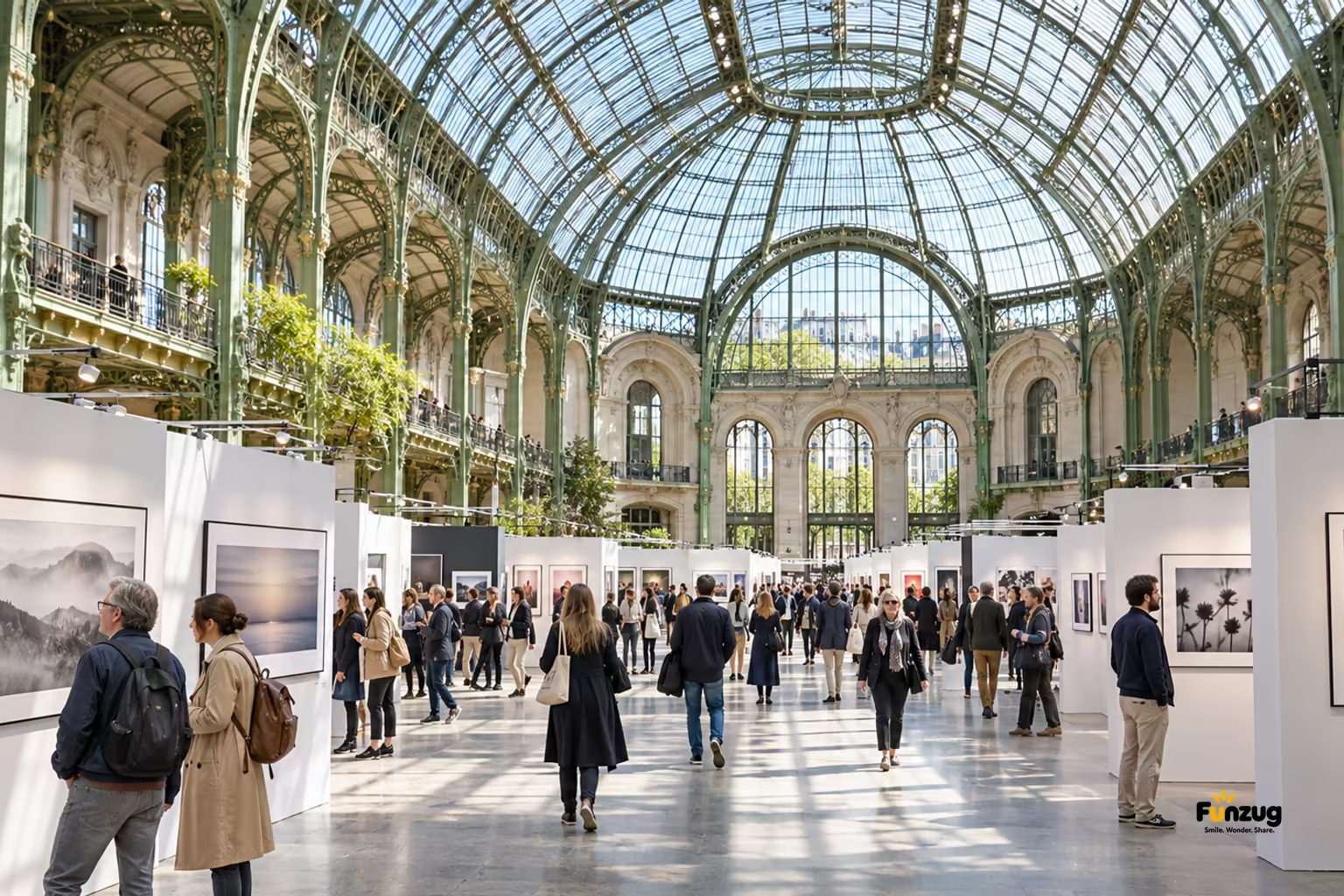
Paris Photo lists public hours from 1 pm to 8 pm Thursday through Saturday and 1 pm to 7 pm Sunday. Tickets and access details are available on the official visitor page. The fair closes November 15, so check availability before travelling. Confirm current entry details and transport information with the venue before leaving.
Wear comfortable shoes and allow time between sections. If you are meeting someone, agree on a location inside or outside the Grand Palais because a busy exhibition can make phone reception and finding a companion more difficult. Visitors unable to attend can still use the programme to follow how photography moves between art, publishing, technology and daily life.
Paris Photo 2026 is a reminder that photographic tools change, but looking remains an active process. A viewer brings experience to a picture, and its scale, sequence and setting influence what it means. Take a little time with each work that catches your attention, then move on when you have understood what drew you in.
Photography’s bicentenary is also a chance to look at the medium’s everyday reach. The same tools used for family records, reporting and travel snapshots can become material for sustained artistic work. A fair such as Paris Photo 2026 makes those paths visible in one place, while asking visitors to consider how images are selected, printed and presented.
As you move through the Grand Palais, note which works make you pause and what prompted that response. The answer may be the subject, the print itself or the way it sits beside another image. That kind of close looking can make a short visit feel more memorable.


