33 Comedy Wildlife Photos That Nailed the Moment in 2026
Comedy Wildlife Photos from Nikon’s 2026 finalists show how a split second, a clear frame and a well-chosen title can make an ordinary wildlife moment read like a visual joke. The winners will be announced on 8 December. The official finalist gallery brings together this year’s photographs and lets readers see how each picture invites its own interpretation.
What Makes Comedy Wildlife Photos Work?
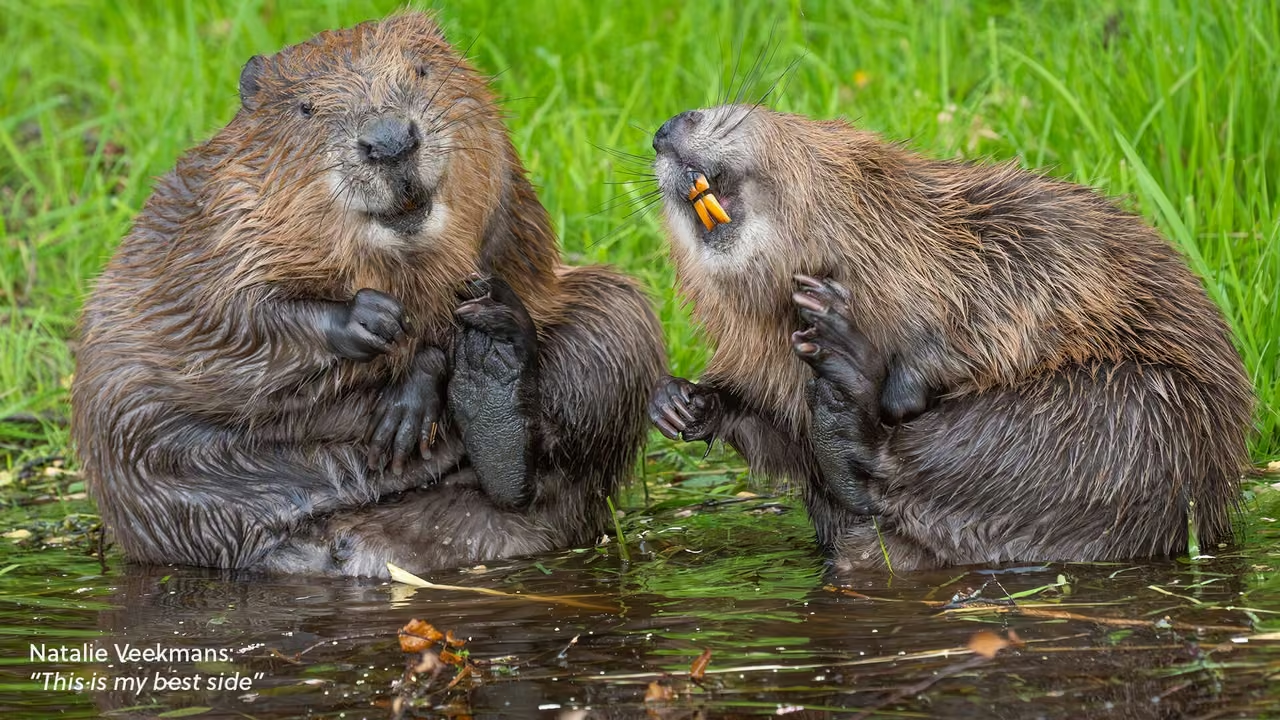
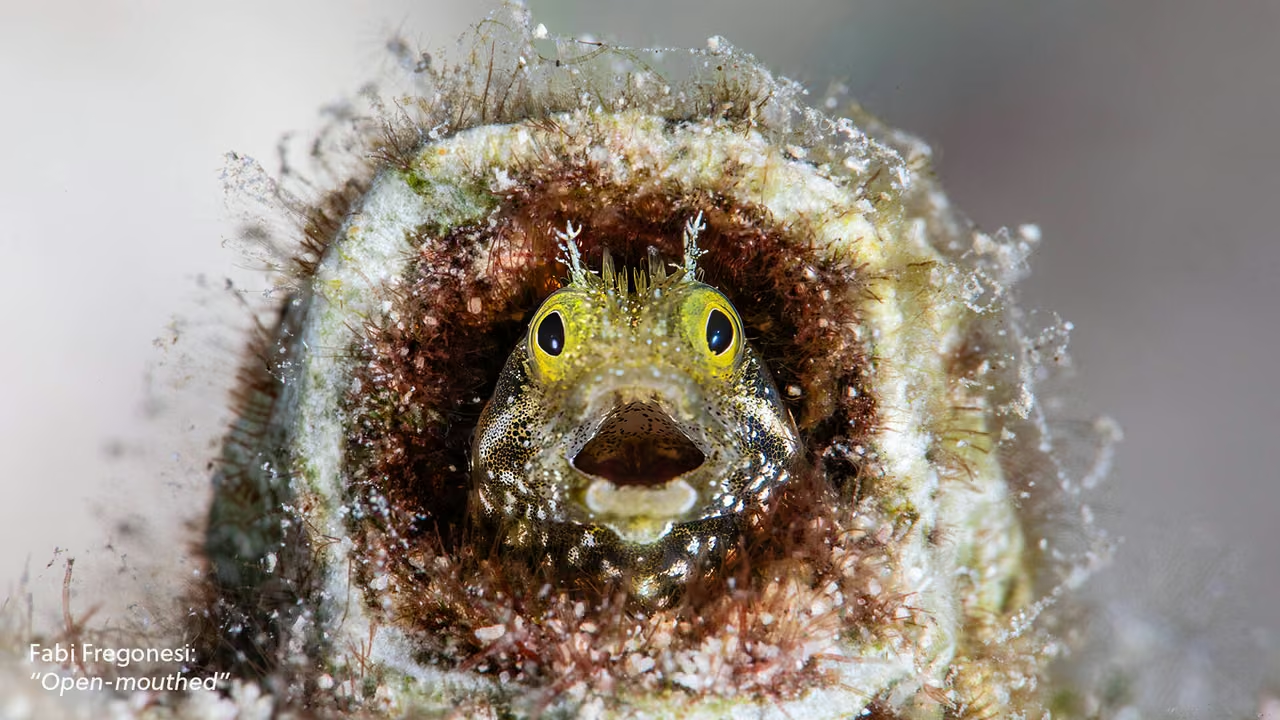
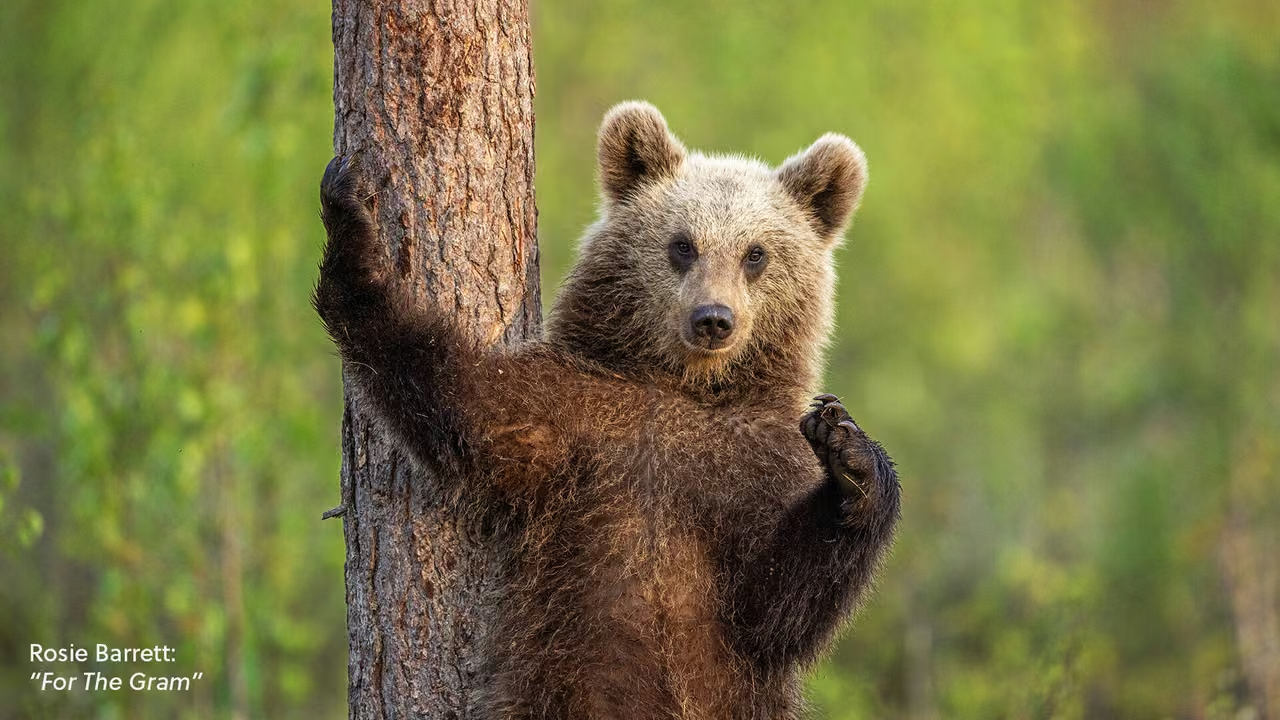
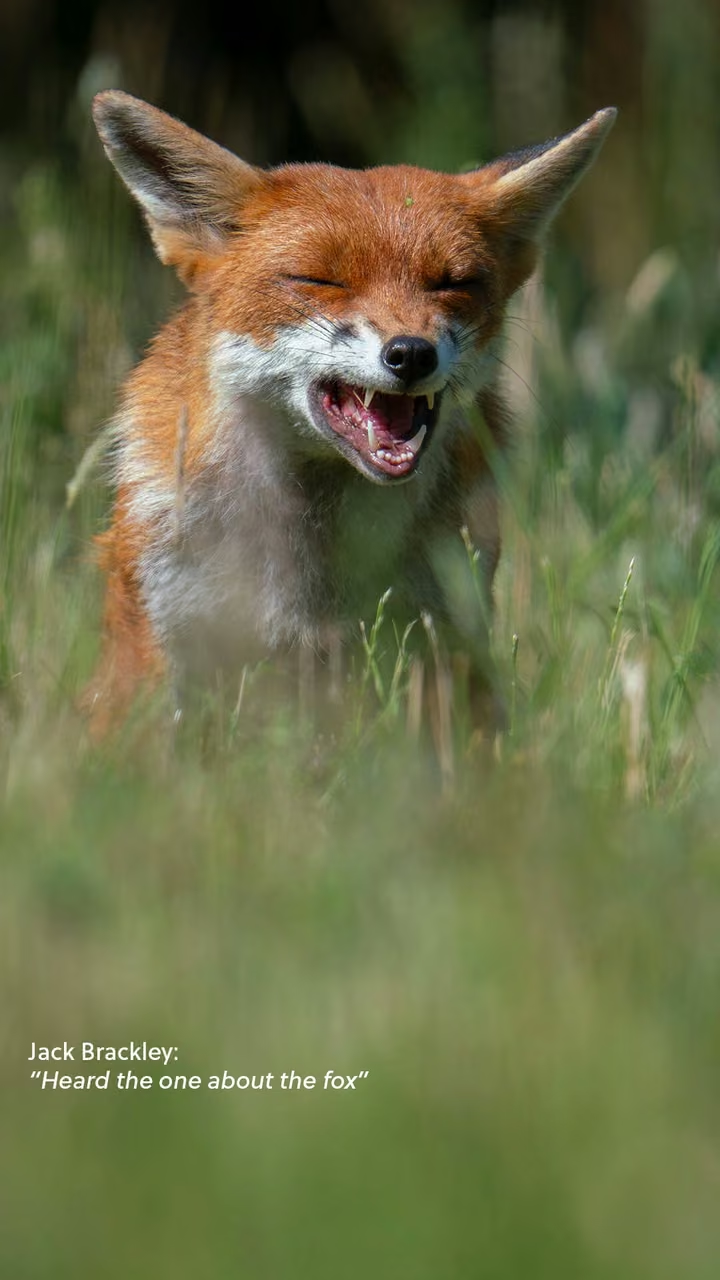
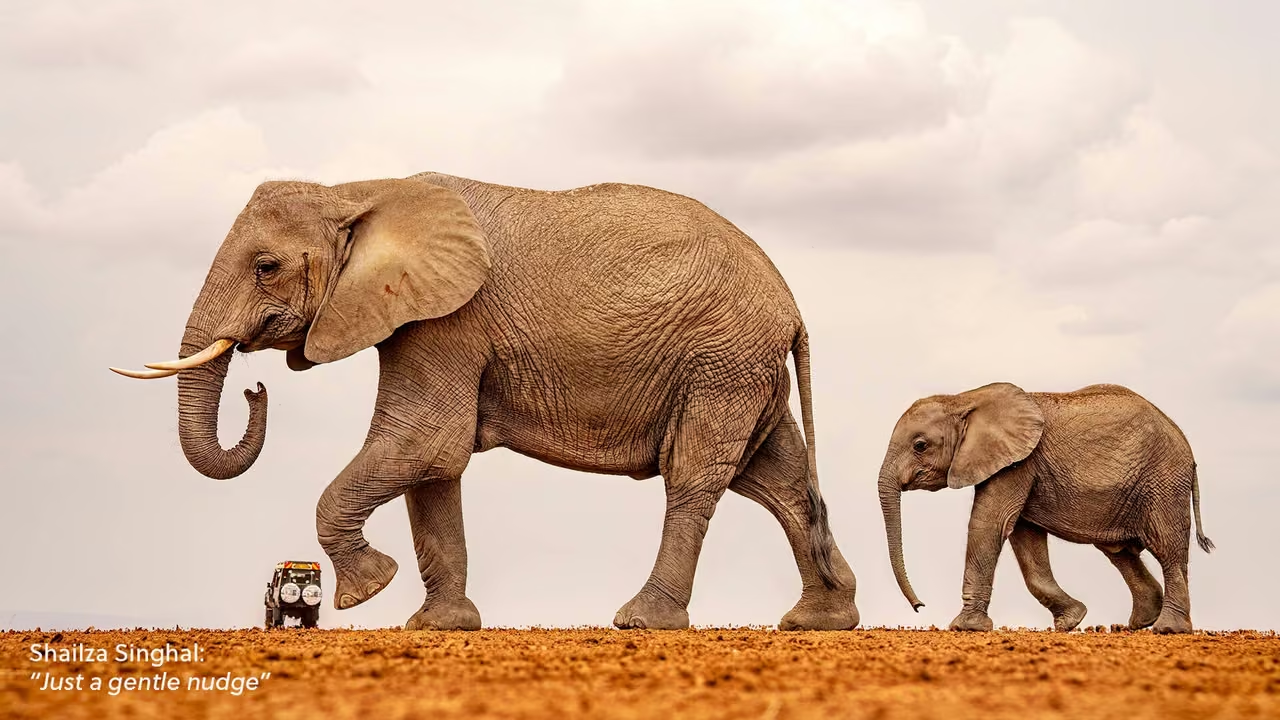
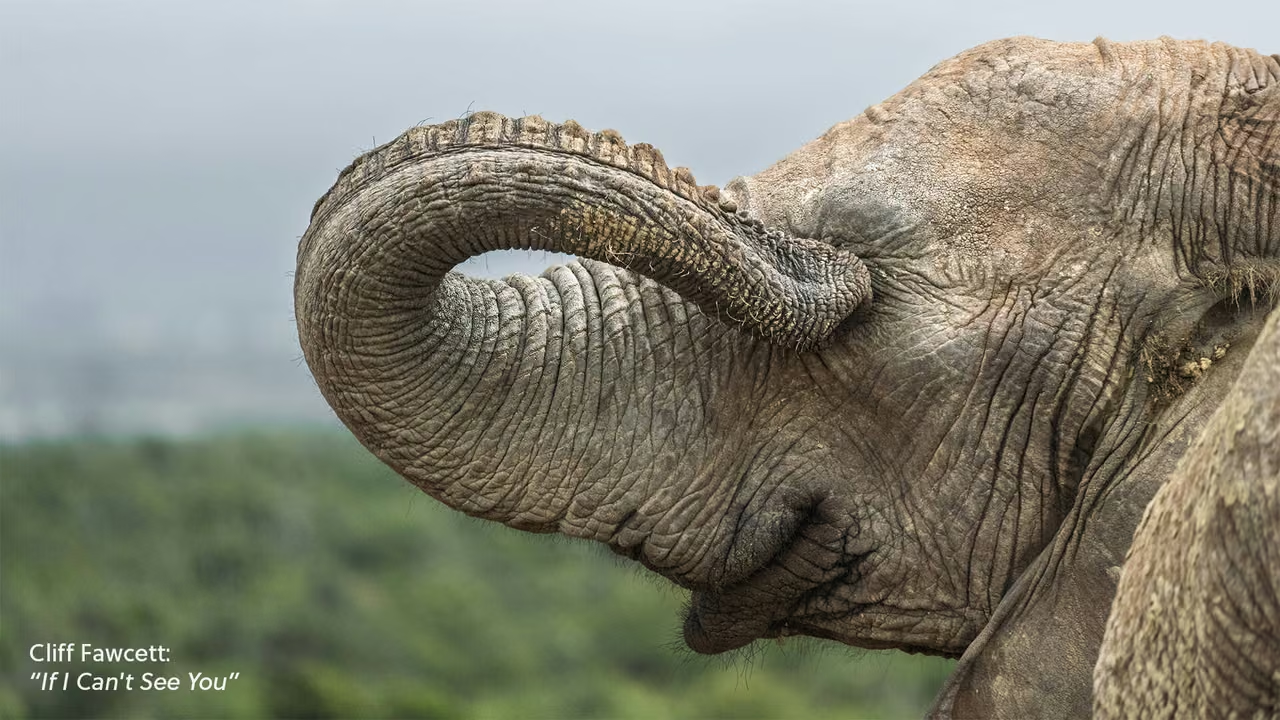
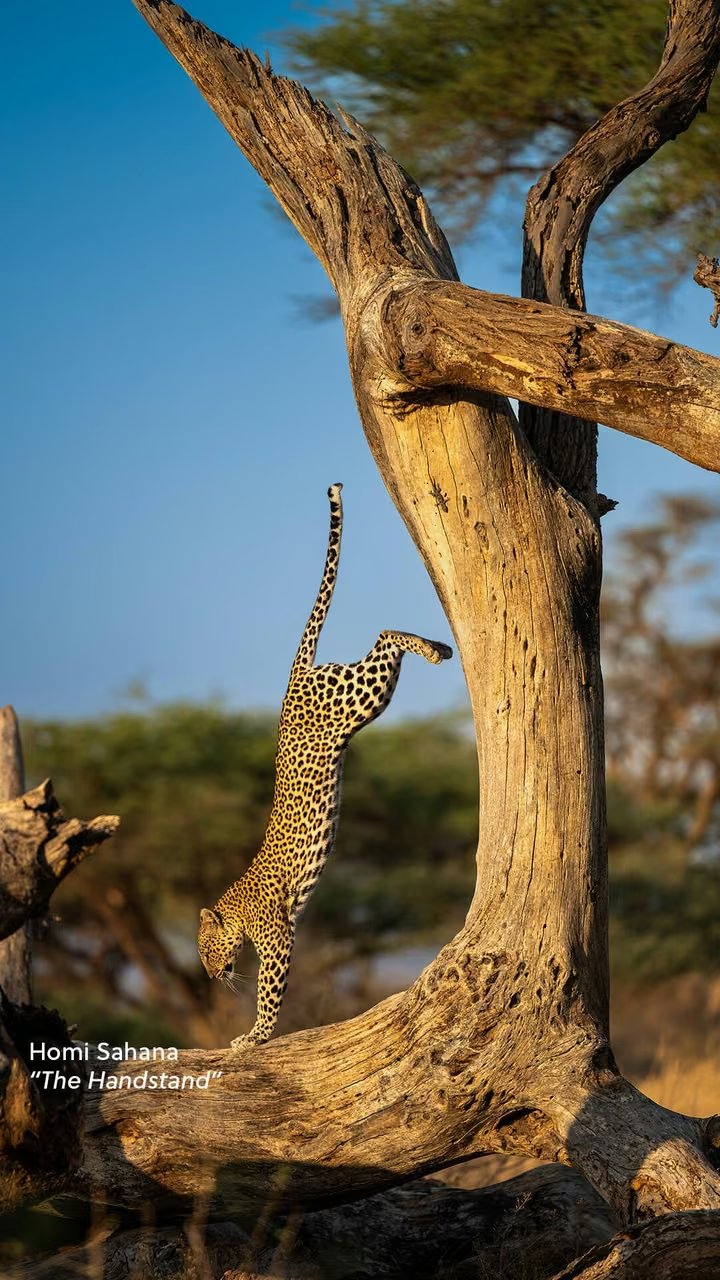
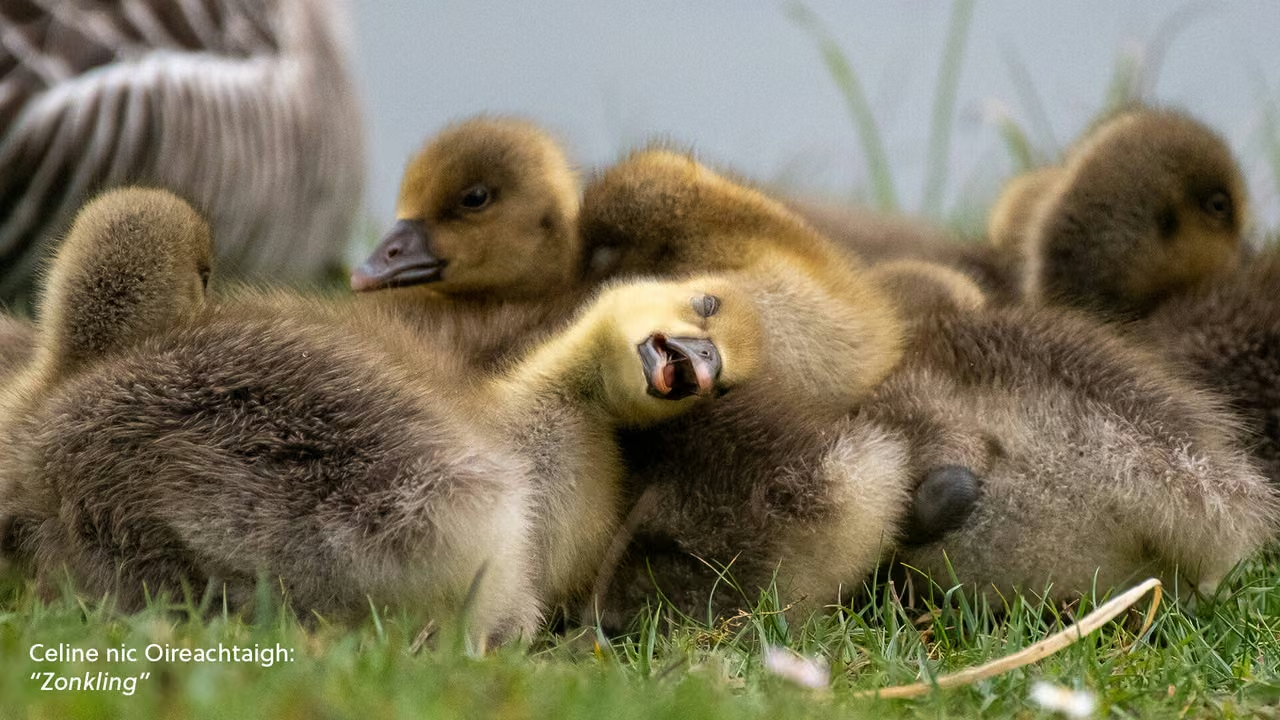
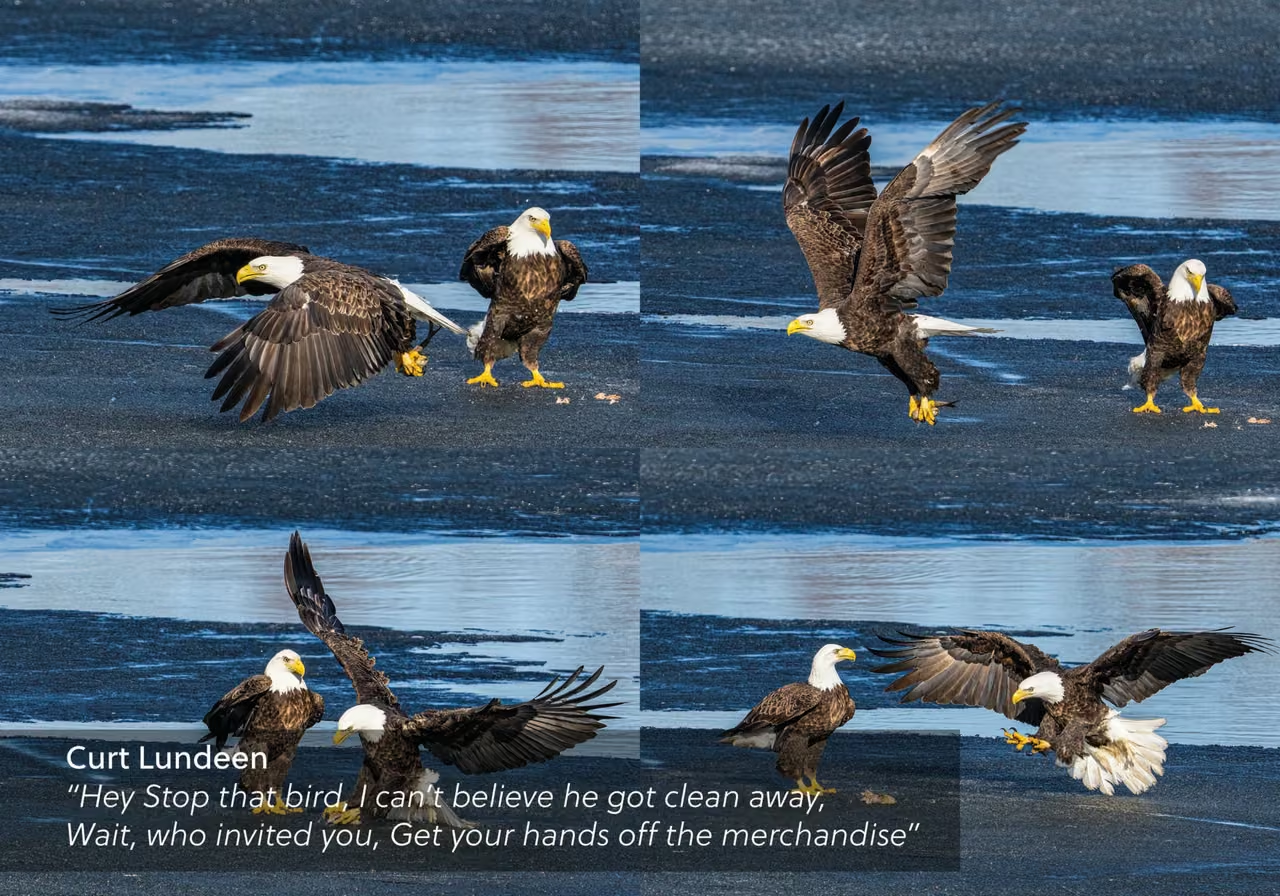
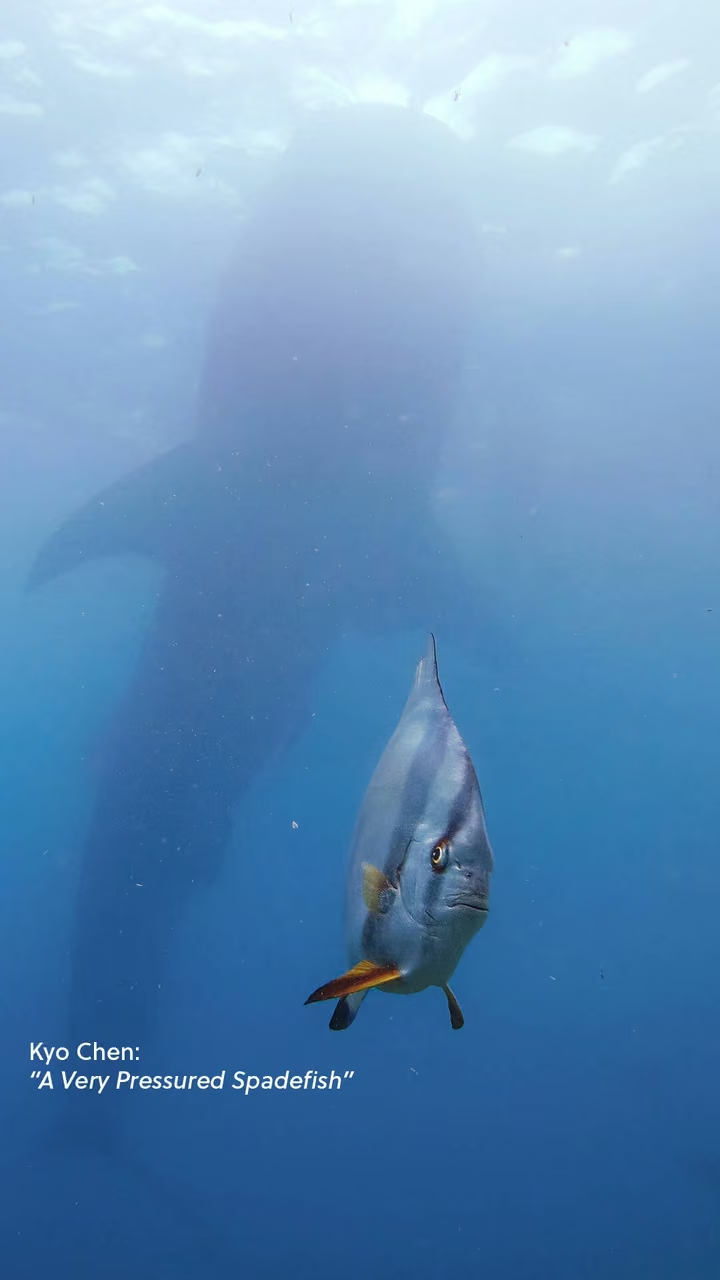
In the best Comedy Wildlife Photos, wildlife does not perform for the camera. The humour comes from how viewers read a gesture. A fox, bird or insect may simply be moving, resting or reacting to its surroundings. The frame catches a brief posture that resembles a familiar human expression or situation, while the title gives the audience a nudge without changing what happened.
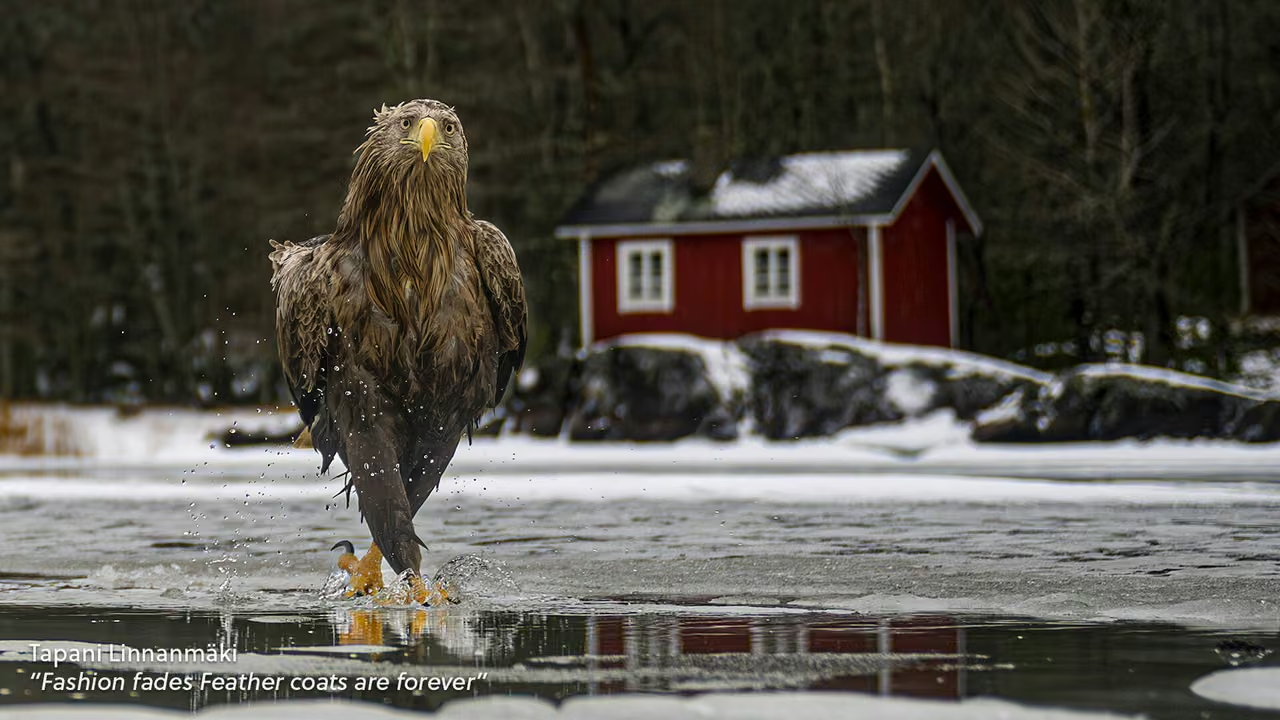
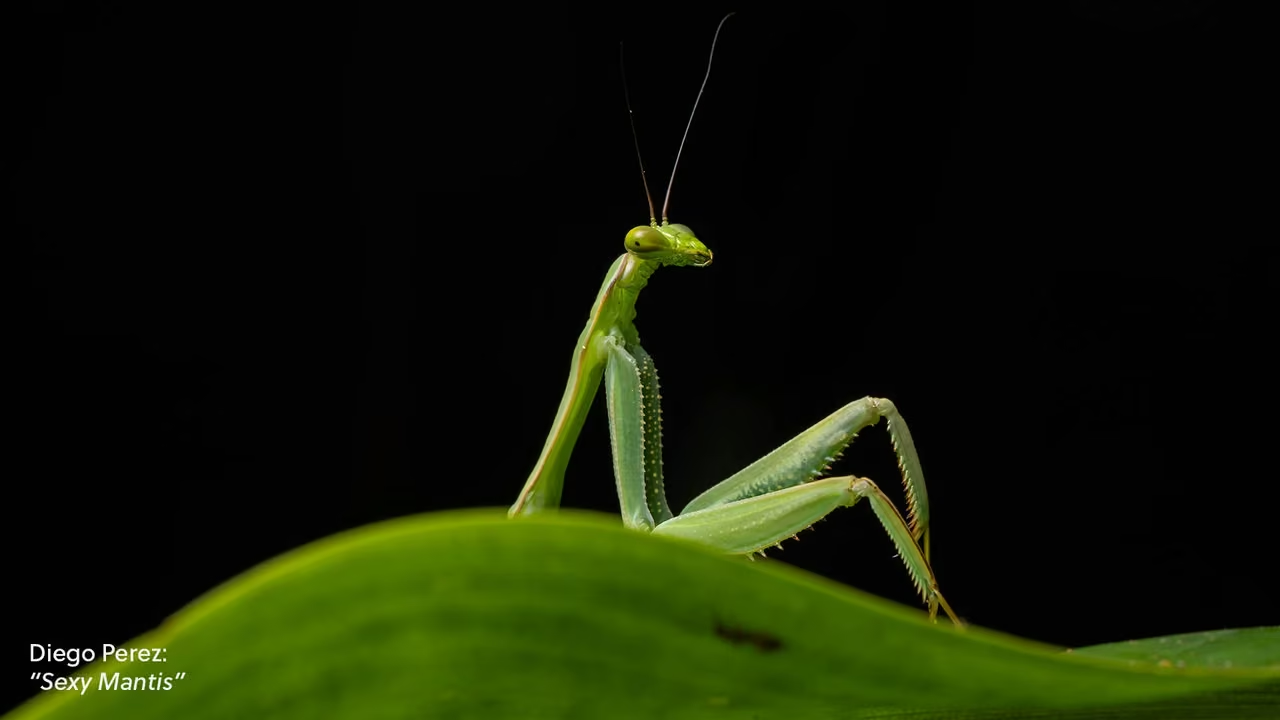
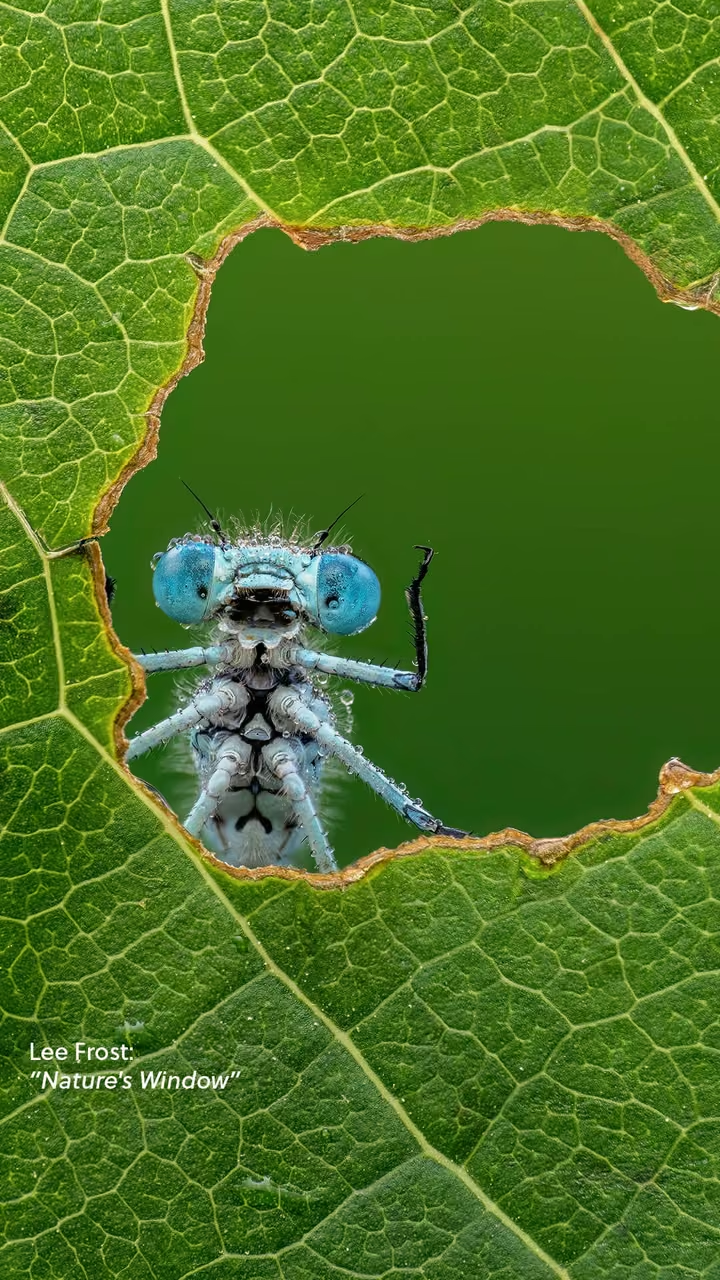
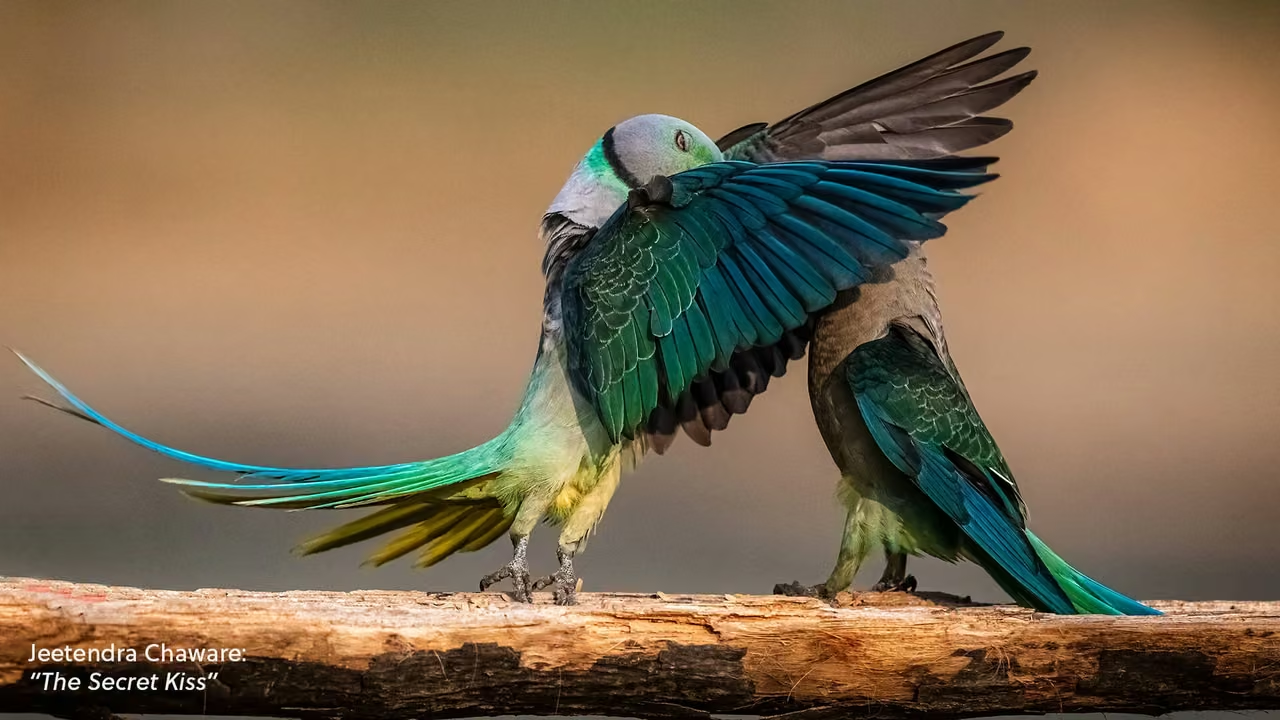
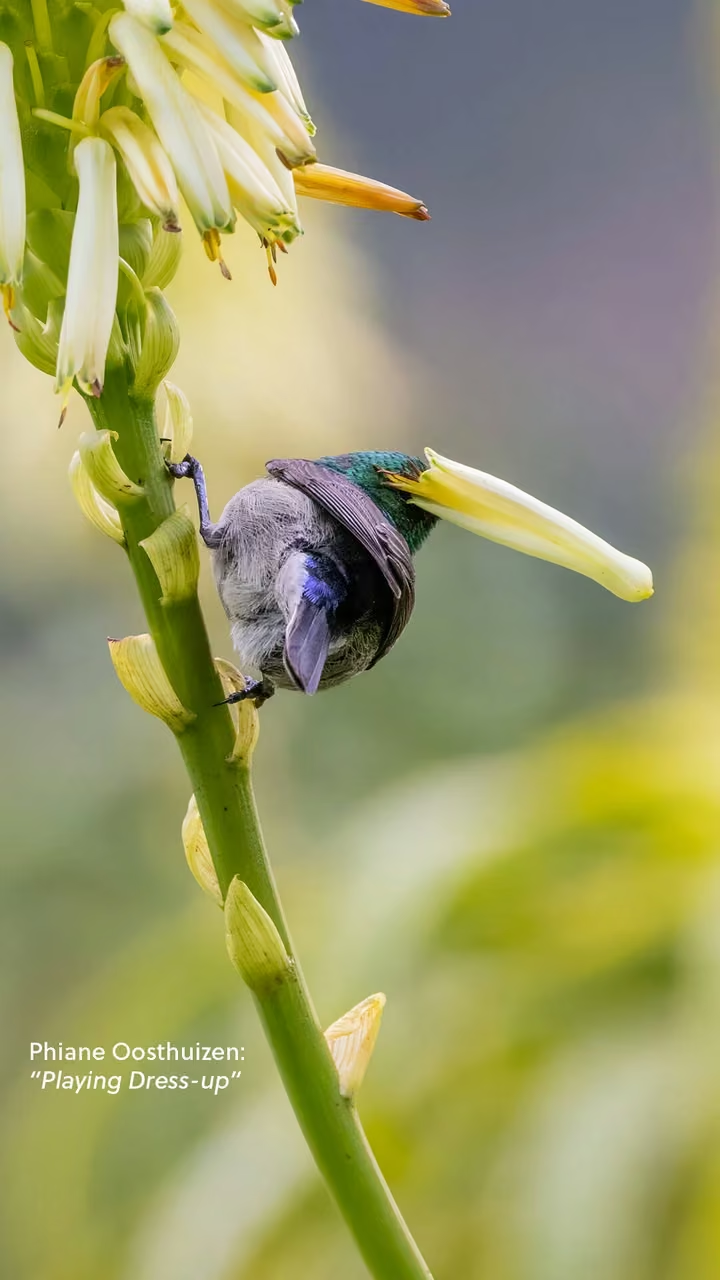
That quick recognition is part of what makes these Comedy Wildlife Photos work. Live Science’s coverage of this year’s finalists describes several entries whose titles turn a natural pose into a memorable scene. The laugh is immediate, but looking again reveals the animal, its behaviour and the setting around it.
Framing makes the joke readable
In Comedy Wildlife Photos, timing is only one part of a successful wildlife photograph. A clean outline helps viewers understand where a paw, wing or face is moving. Background clutter can hide the gesture, while a little space around the subject lets the action stand out. The photographer’s position also changes the story: a low angle can make a small movement feel dramatic, and a wider view can show the relationship between animals.
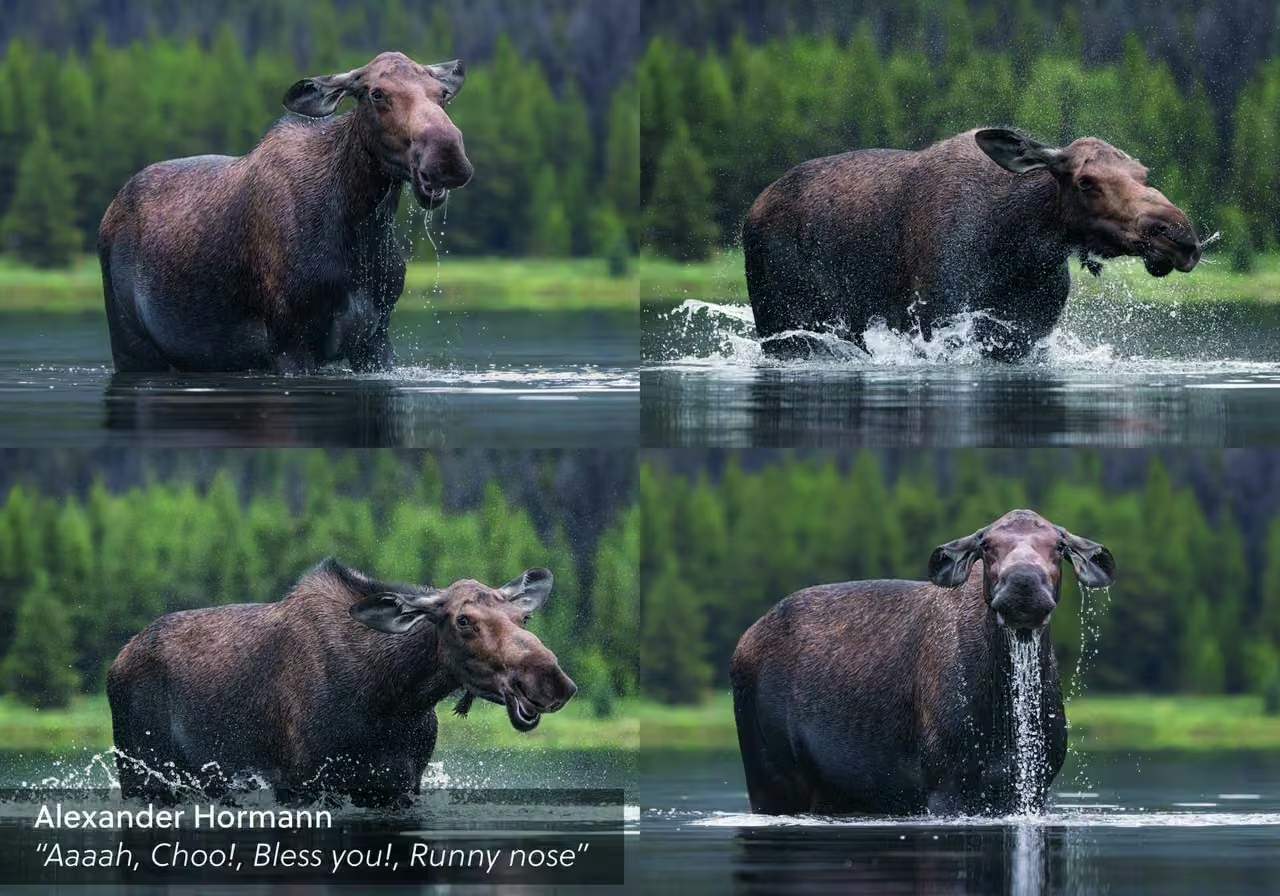
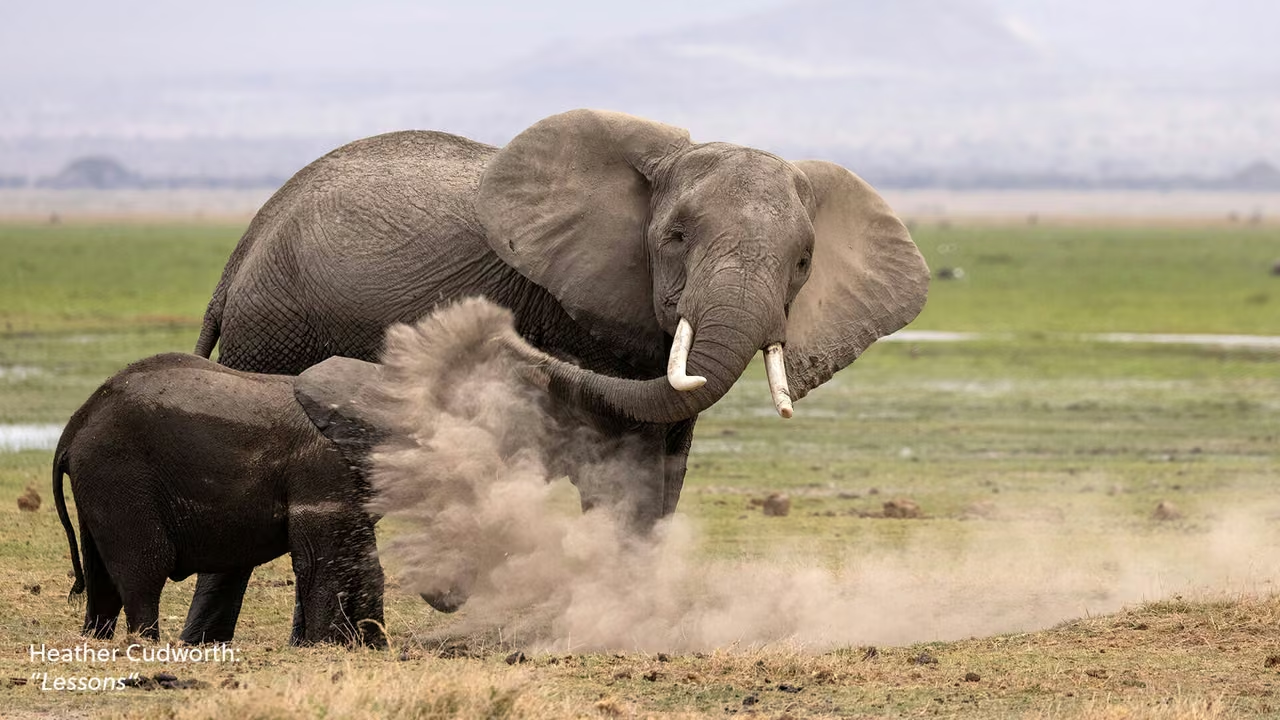
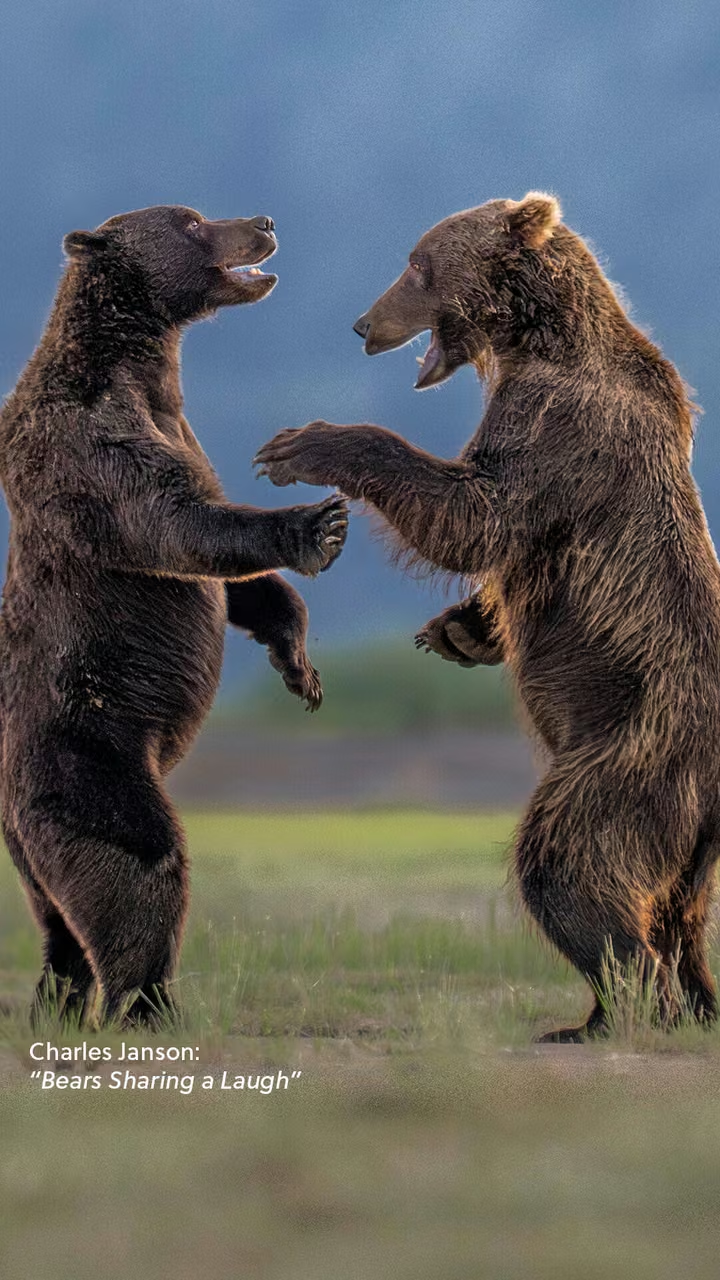
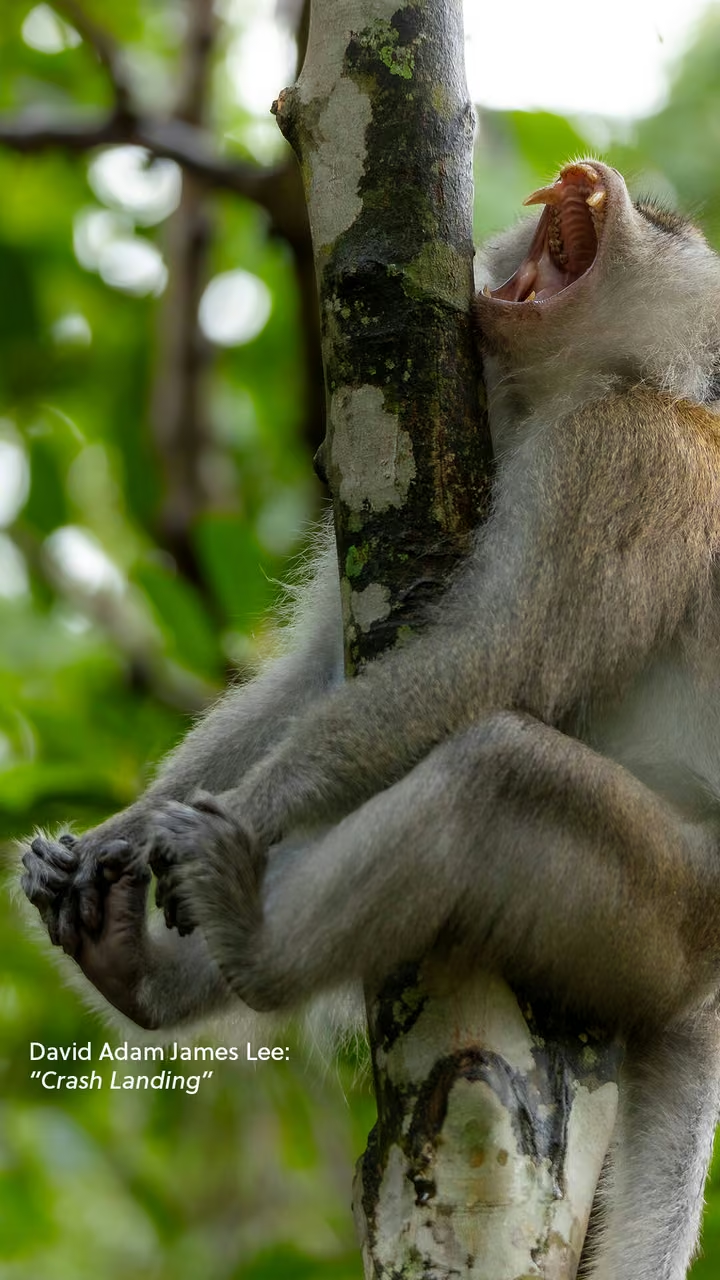
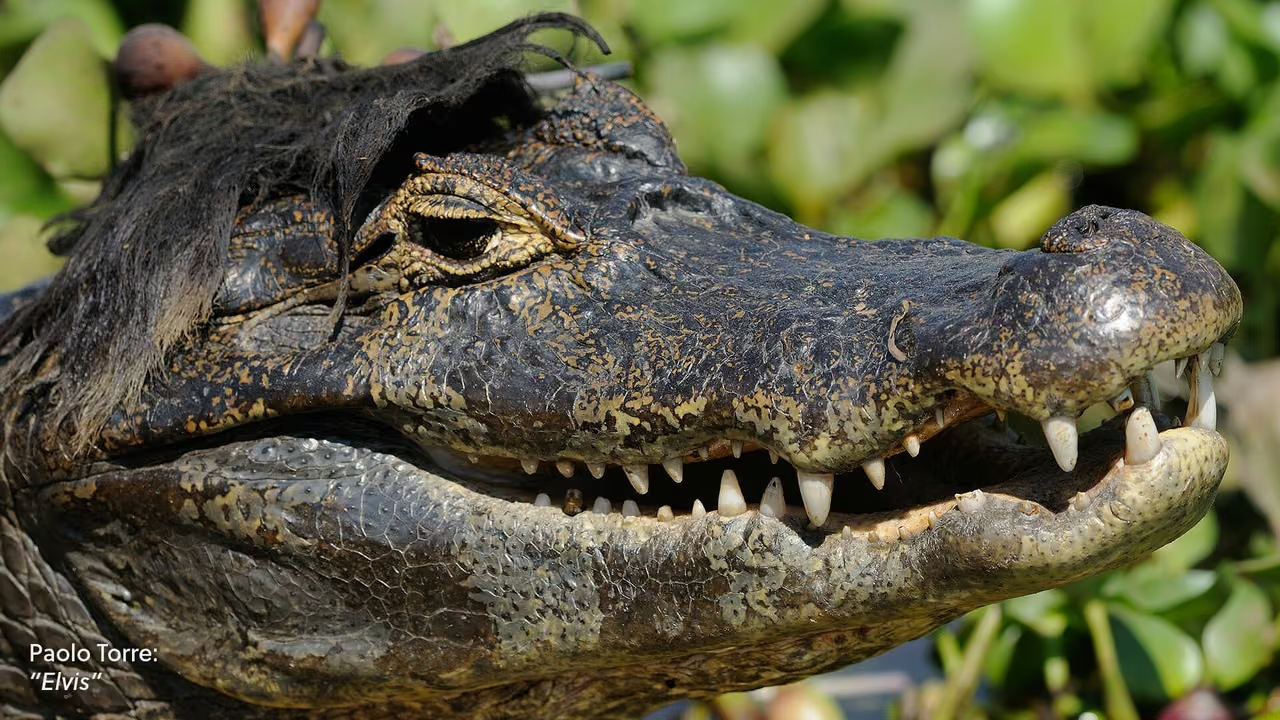
Titles work like short captions in a cartoon. They point toward one reading, but the image leaves room for the viewer to notice something else. Funzug readers have long enjoyed pictures built around that same surprise. Our collection of hilarious wildlife photos pairs unexpected expressions with poses that let imagination fill in the story.
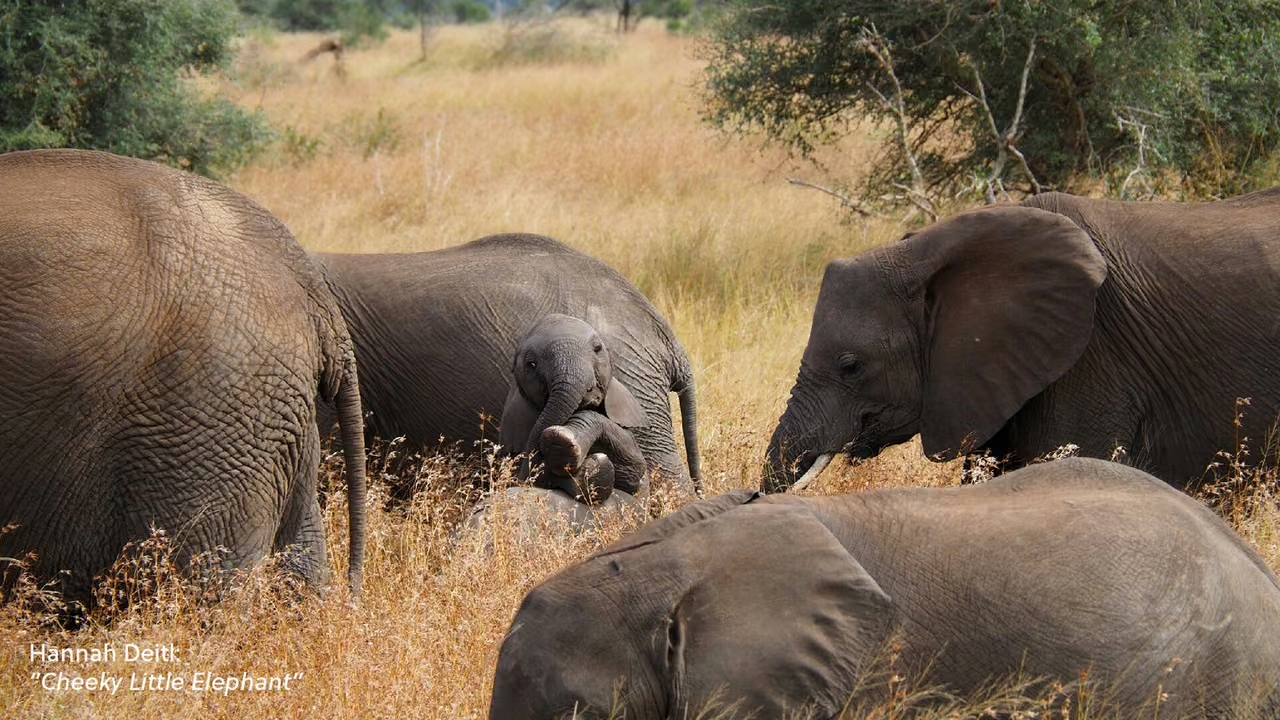
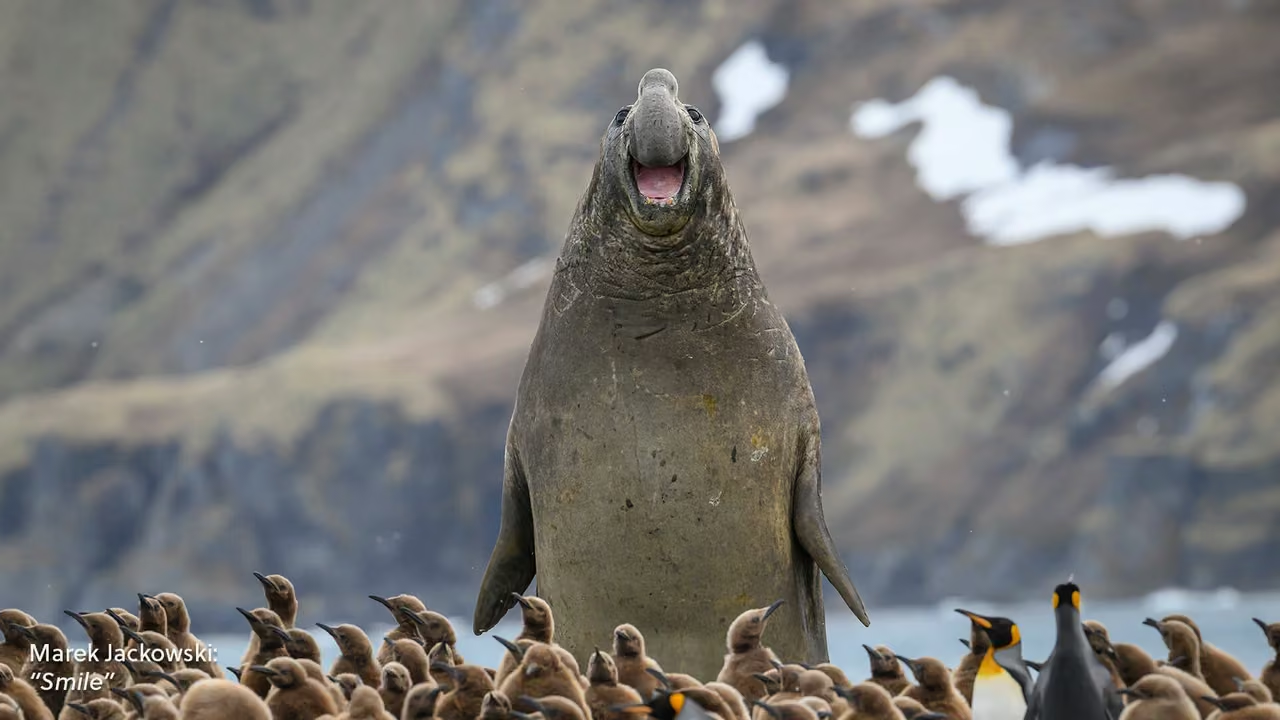
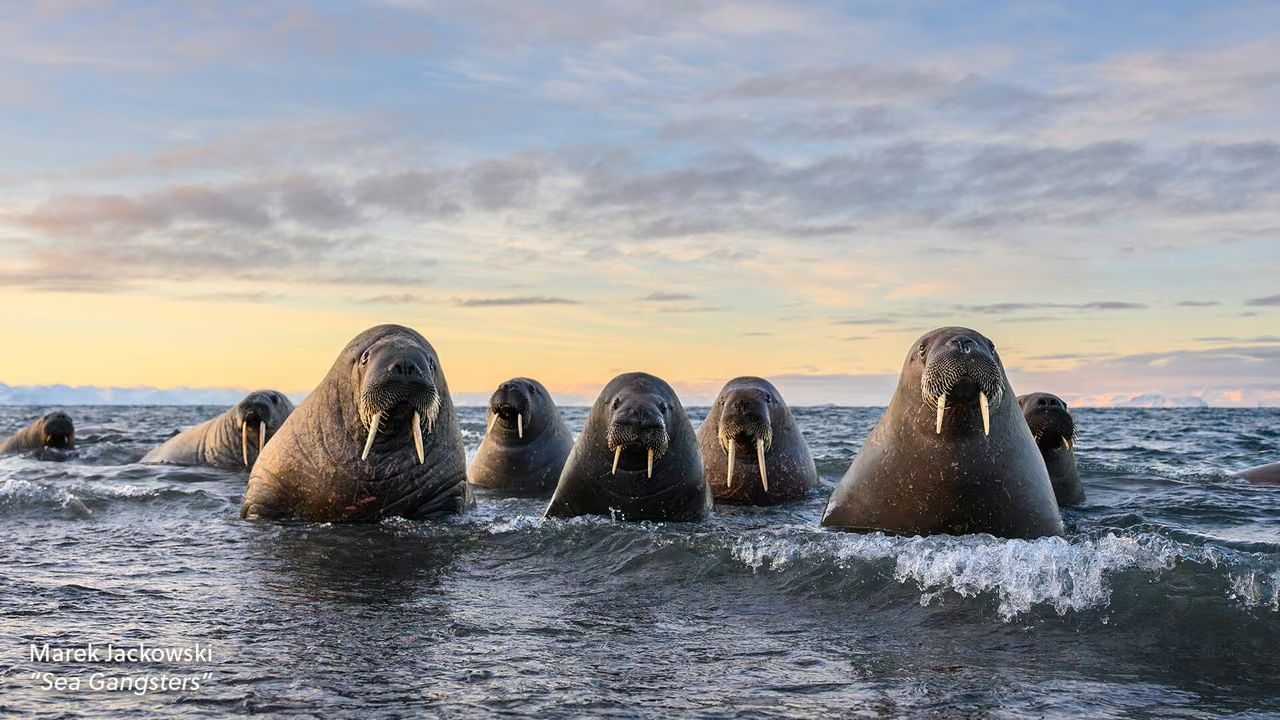
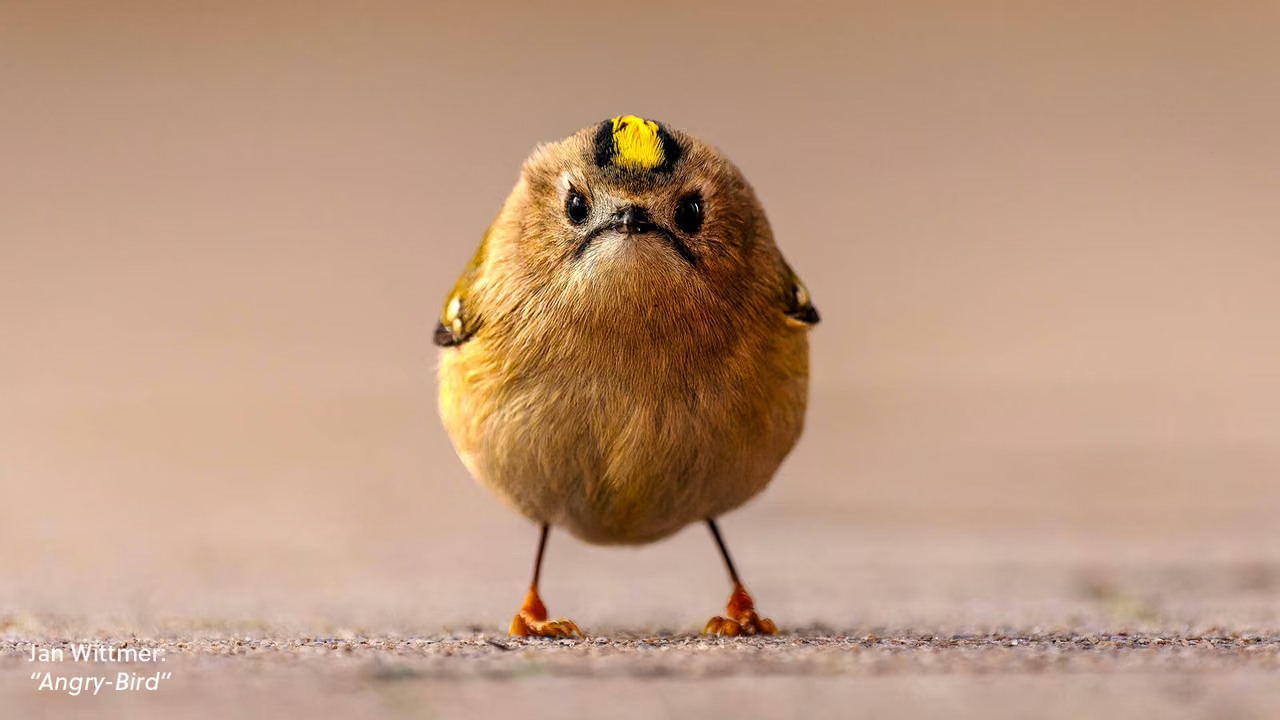
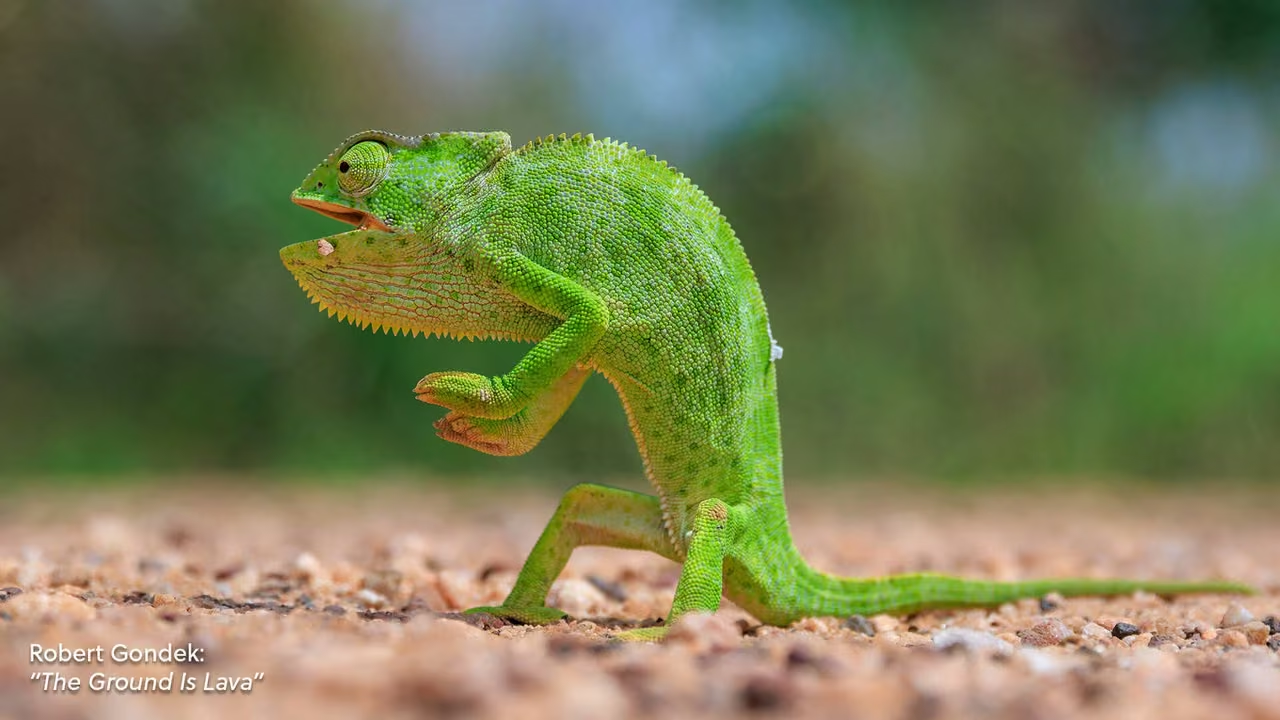
Patience comes before the shutter
Photographers cannot direct an animal into a better pose. They learn its routines, keep a respectful distance and wait. A fast shutter and a prepared camera help freeze a brief action, but attention matters just as much as equipment. Ethical practice protects the animal and the authenticity of the moment. The strongest comic photograph does not depend on disturbing wildlife for the camera.
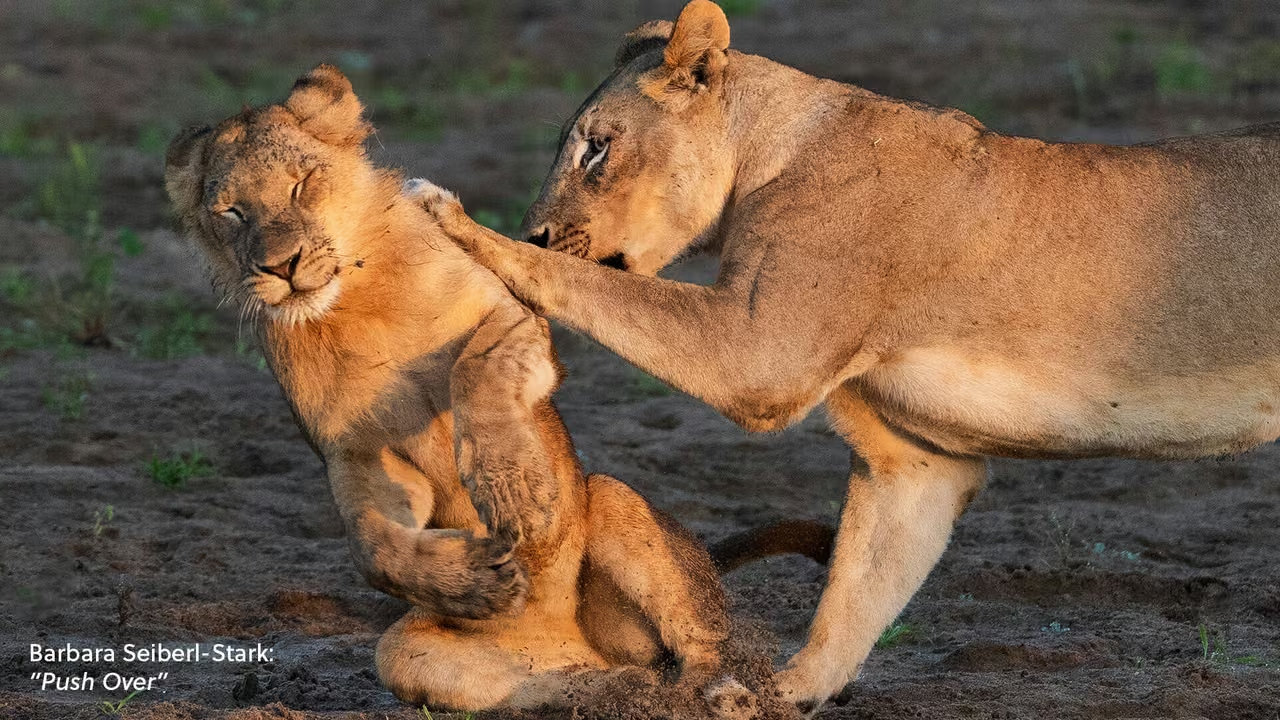
A laugh that points back to nature
The awards use humour to draw attention to wildlife. A viewer may arrive for an awkward pose, then stay to look more closely at the animal and its habitat. Nikon says the competition began in 2015 and that 10 per cent of its profits support the Whitley Fund for Nature’s Next Gen initiative. The 2026 results will reveal which photographs combine technical skill with an instant smile.
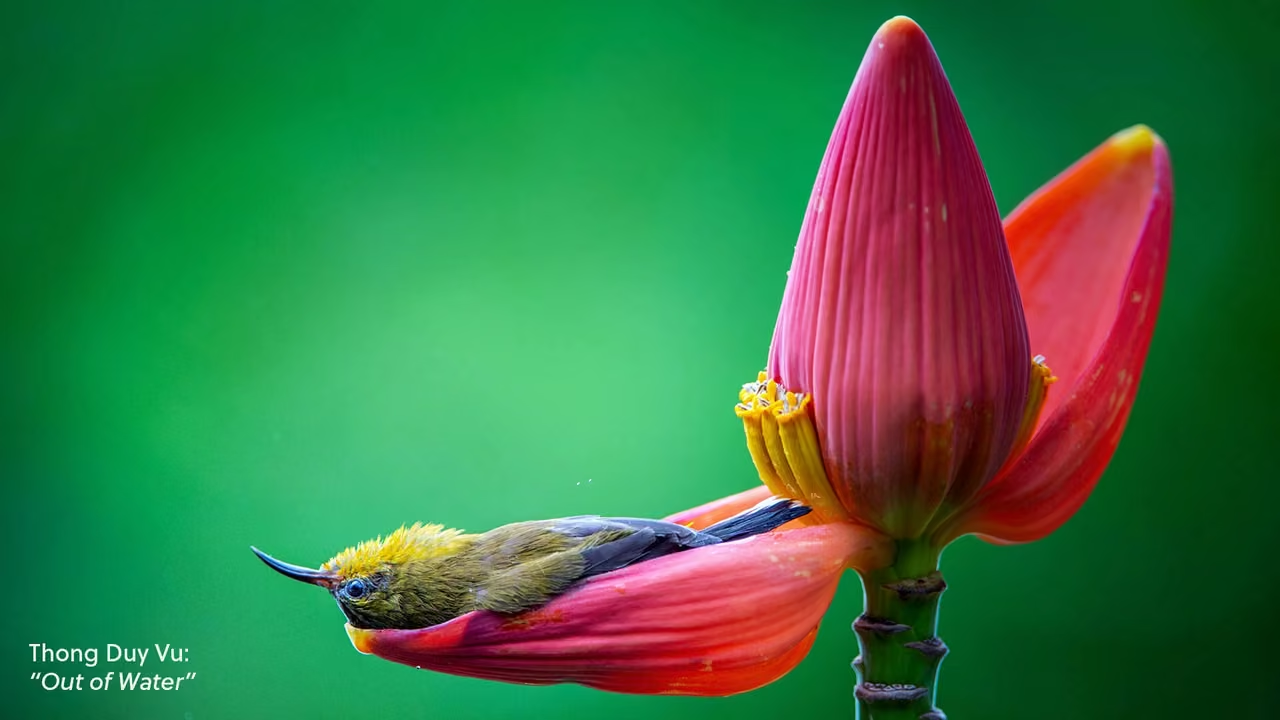
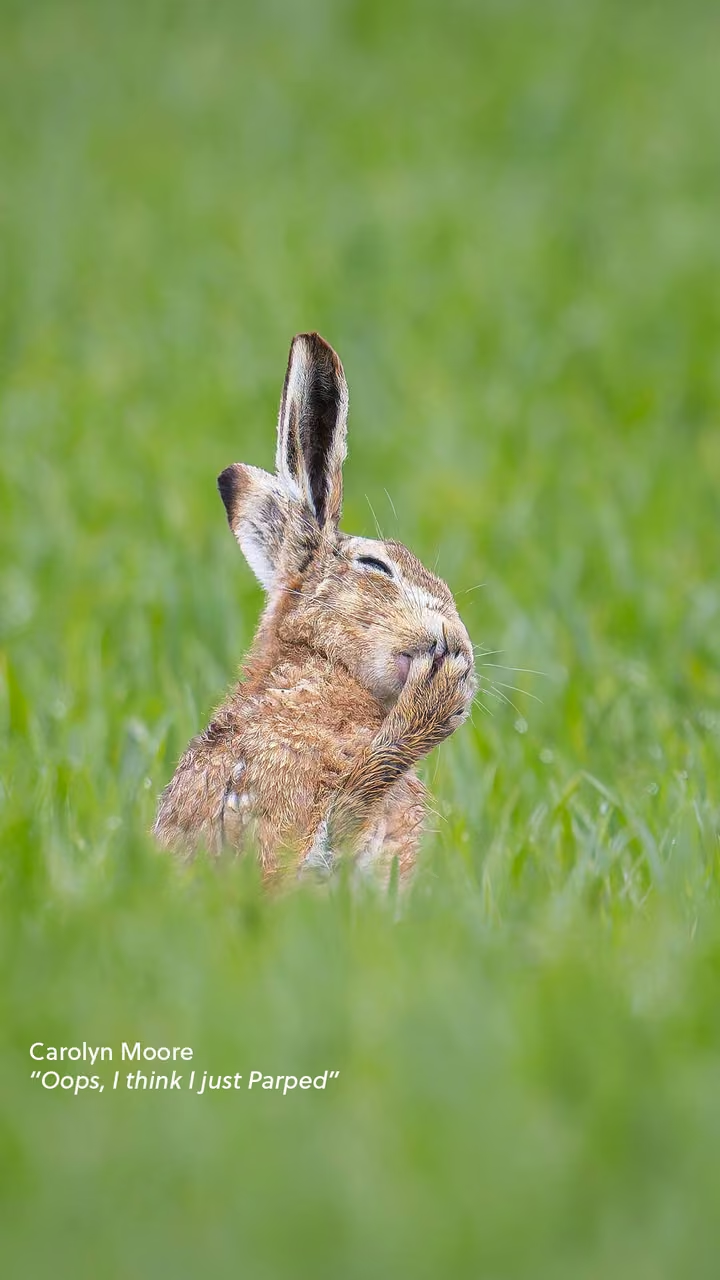
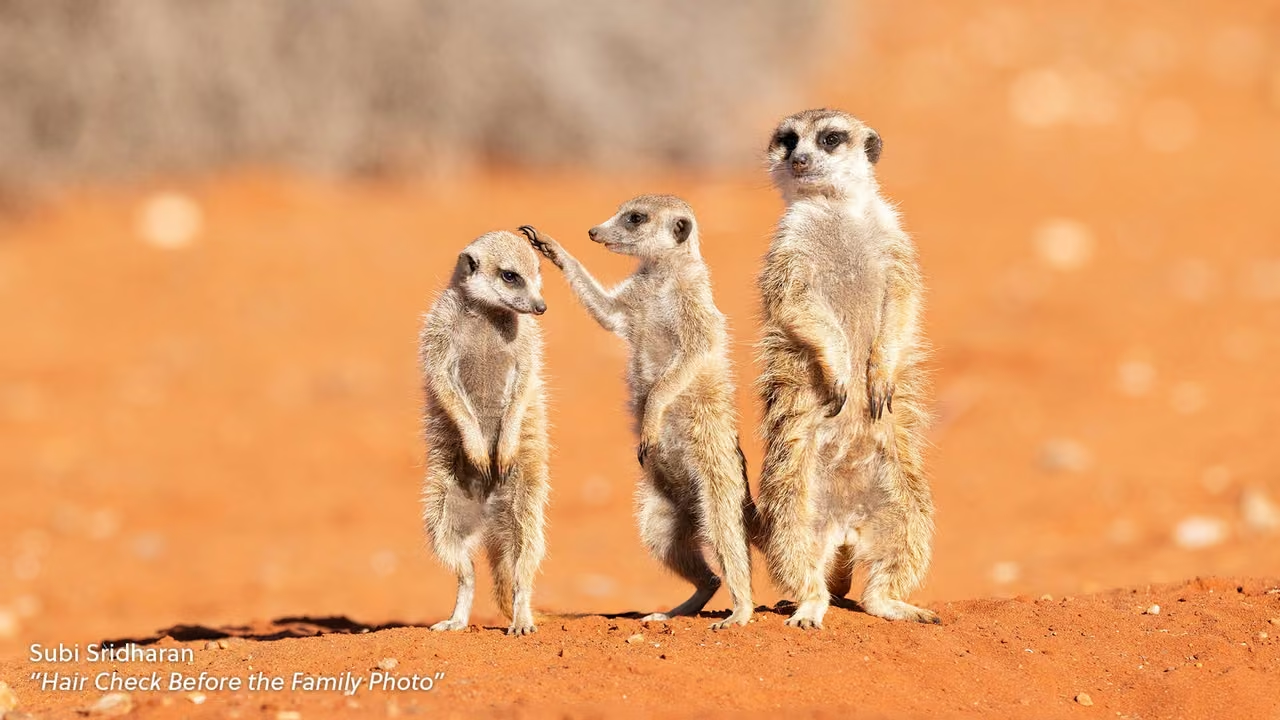
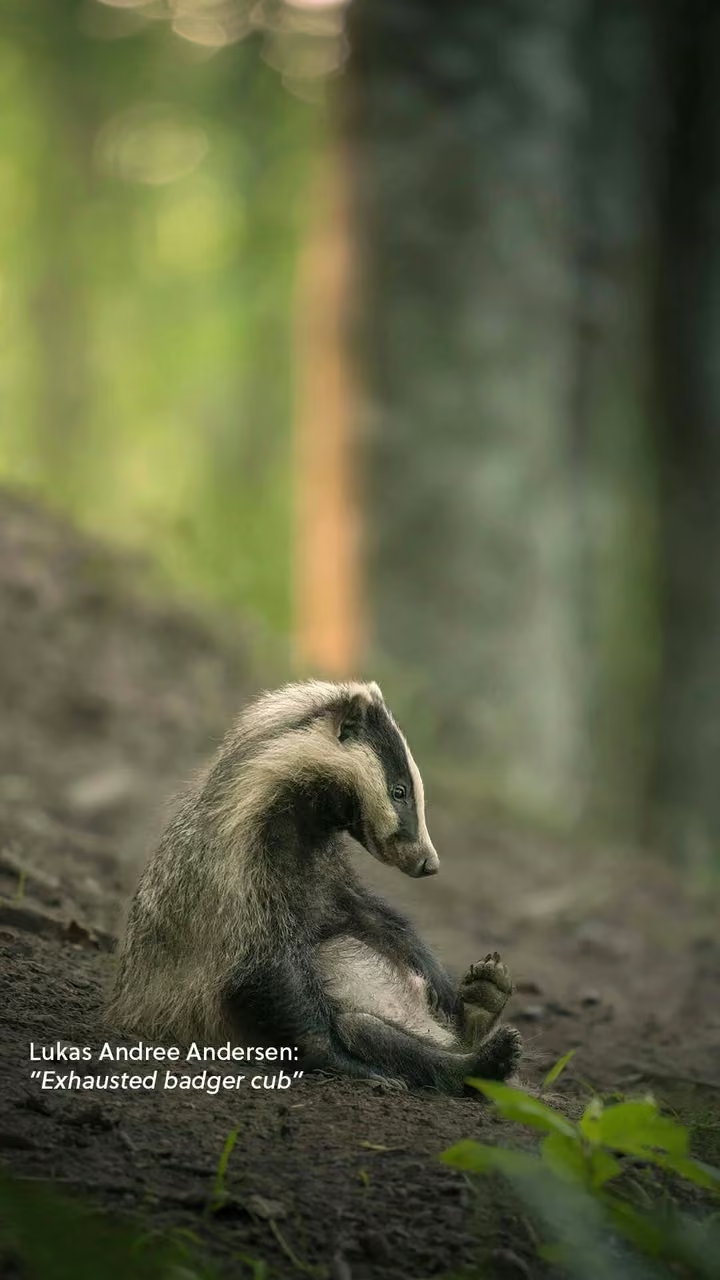
Look at the frame before reading the title
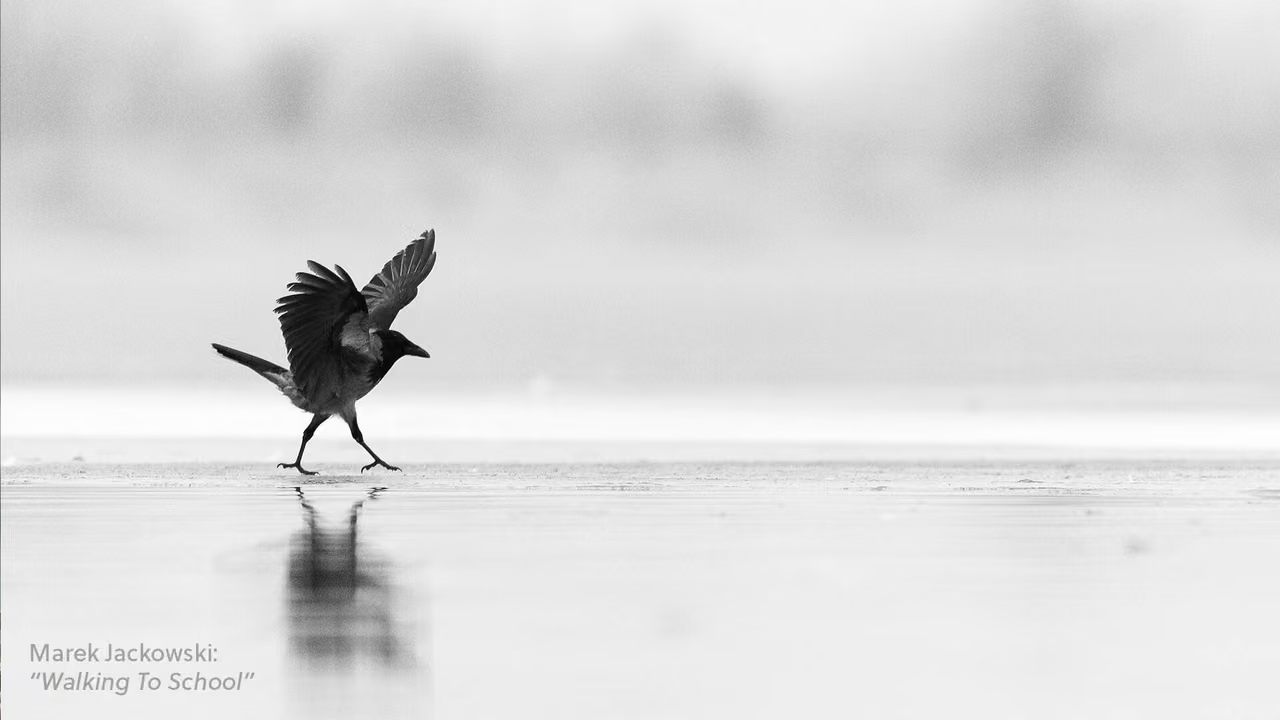
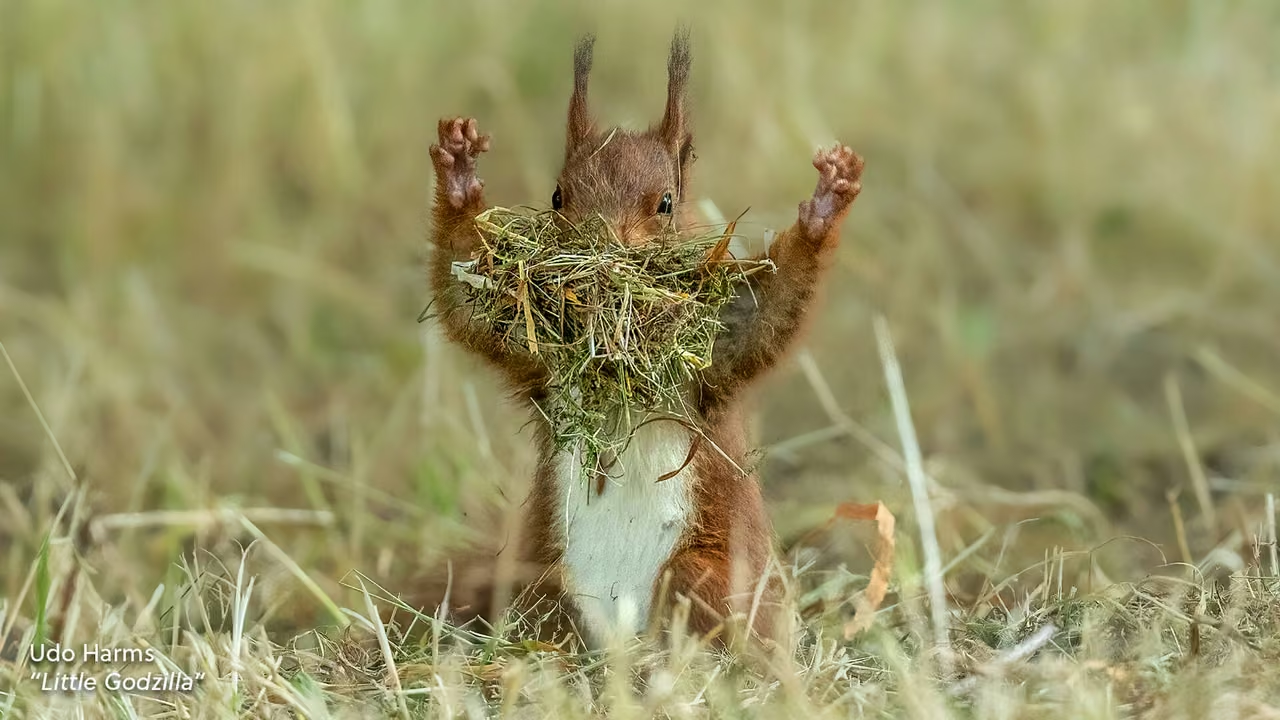
Try a two-pass look through the finalists. First, ignore the title and notice the animal’s posture, its direction of movement and the details around the edge of the frame. Ask what might have happened a fraction of a second earlier or later. Then read the caption and see how it changes your first impression. “Walking to School” suggests a familiar daily scene; “Fashion Fades: Feather Coats Are Forever” turns a nature photograph into a comment on style; “The Ground Is Lava” invites you to imagine a game. The animal is not acting out these scenarios. The humour comes from the gap between a real moment and the human story the title brings to it.
Why the almost-moment can be the funniest
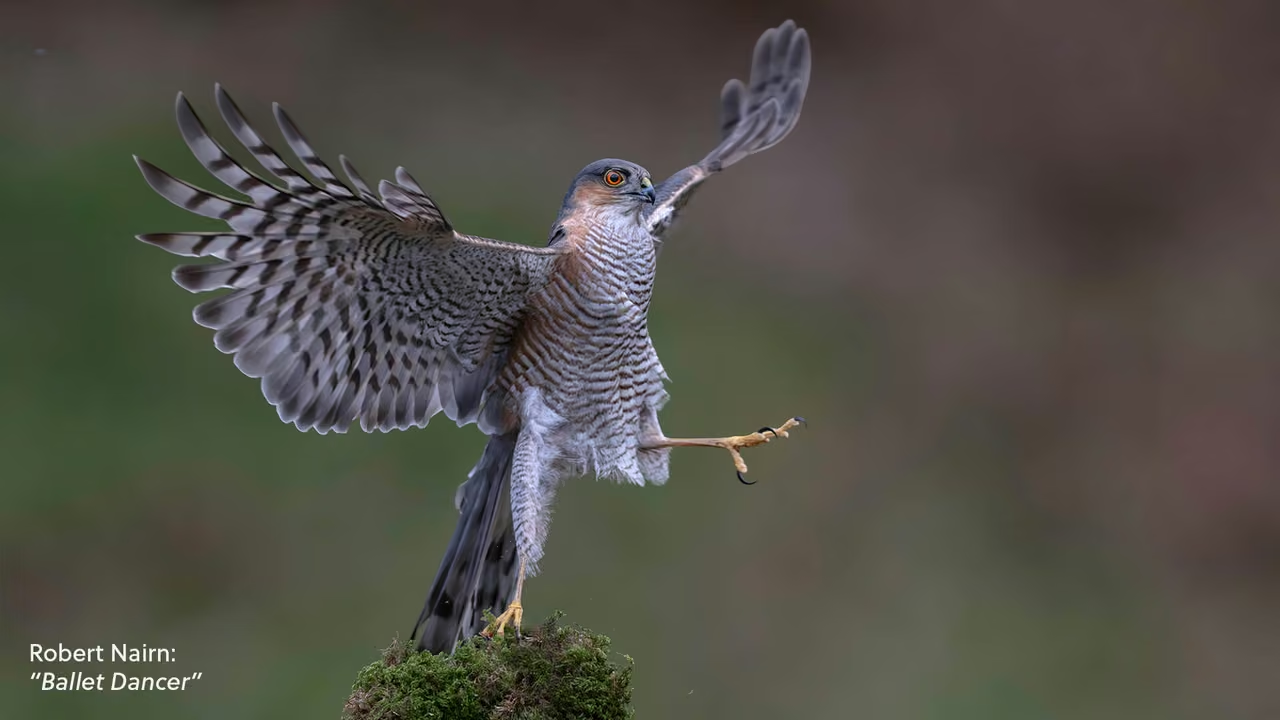
Many comic frames hold a small question open. Is that a greeting, a stumble or simply a pause? A tilted head, raised wing or well-timed glance can hint at movement without showing what happens next. That unfinished beat gives readers room to complete the scene in their own minds. Compare how the titles in this gallery guide that response: some borrow the language of everyday life, others sound like a movie line or a punchline. Look at each photo once without its caption, then again with it. The change in interpretation is part of the fun, and it shows how much a photographer’s timing and a few chosen words can do together.
Look twice at each image: first at the apparent joke, then at the detail that made it possible. The comedy may last only a blink, but the photograph gives that blink time to become a story.