Your Sleep Schedule May Matter More Than You Think, a New Study Suggests
Sleep regularity may matter as much as total hours, although this study cannot prove that changing a schedule causes better mental health. A large wearable-device study has added to evidence that regular sleep timing is associated with better mental health. Researchers tracked sleep patterns and health reports from hundreds of thousands of adults, finding that people with more consistent schedules tended to report fewer symptoms of anxiety and depression and lower loneliness. The result points to a practical question for readers: does the clock matter as much as the number of hours?

What the researchers measured
The study, published in Scientific Reports, analyzed sleep timing recorded by wearable devices alongside participants’ health information. Rather than looking only at total sleep duration, the researchers considered how consistently people went to bed and woke up across days. That distinction matters because two people can average a similar number of hours while following very different routines.
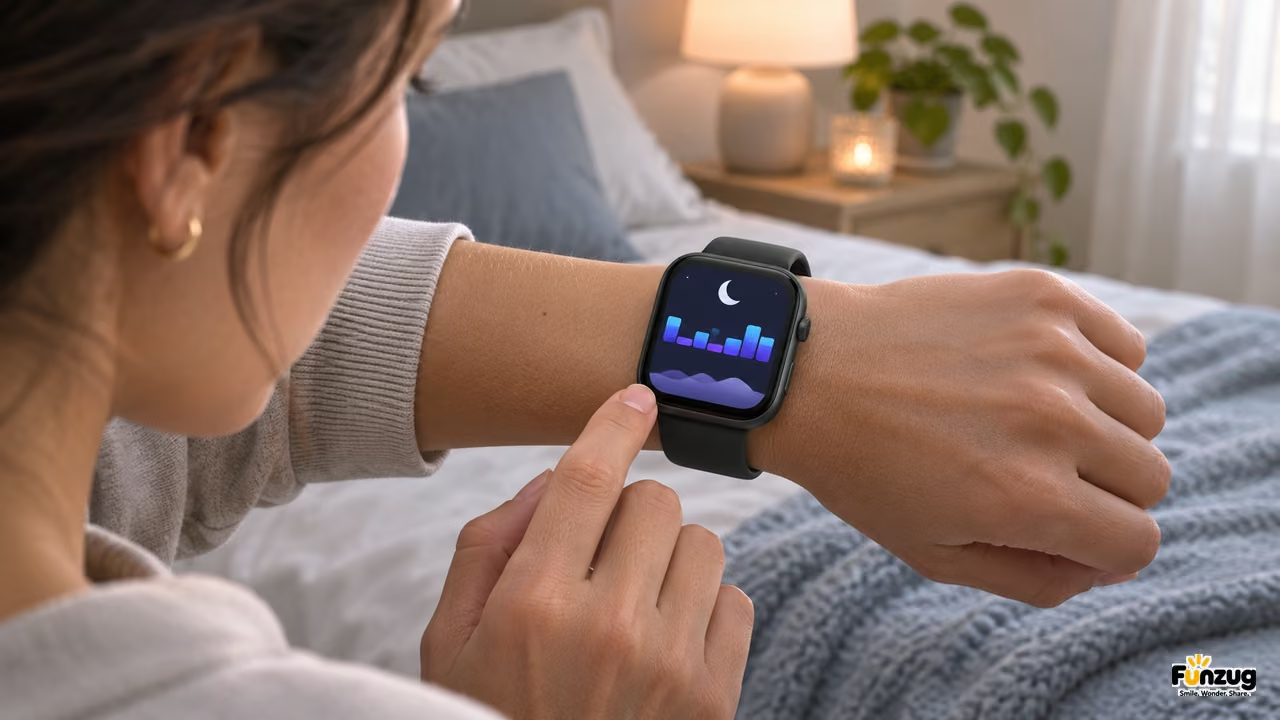
Across the cohort, greater sleep regularity was associated with lower reported anxiety, depression and loneliness. The relationship remained visible after the researchers accounted for several demographic and health factors. The scale of the data makes the pattern useful to investigate, but it does not turn the study into a clinical trial.
Why sleep regularity could matter
Sleep helps coordinate daily rhythms in the body, including alertness, hormone release and temperature. A routine that shifts sharply from night to night may make it harder to maintain those rhythms. Greater sleep regularity may help some people protect consistent rest, although the study cannot establish cause and effect. Regular timing can also shape what happens around sleep: people who keep a routine may be more likely to protect time for rest, limit late-night work or follow calmer evening habits.
These are possible explanations, not mechanisms proven by the study. Wearable data can show when participants appear to sleep, but it cannot capture every detail of their lives. Work schedules, caregiving, illness, medication, stress and financial pressure can affect both sleep and mental health. Researchers also cannot rule out that poor mental health disrupts sleep regularity, rather than irregular sleep being the original cause.
Association is not proof of cause
The findings are best understood as an association. They do not show that changing a bedtime will prevent depression or anxiety, and they do not replace professional care. A study using observational data can identify patterns across a large group, then help researchers decide what to test in controlled trials.

Limits of wearable sleep data
Wearables make it possible to study sleep patterns at a scale that would be difficult with overnight laboratory visits. Still, a device estimates sleep from movement and other signals. It may misclassify quiet wakefulness as sleep, and participants who choose to use wearables may not represent everyone. Health reports are also not the same as a formal diagnosis. Those limits do not erase the observed pattern, but they help explain why researchers describe the findings carefully and why other kinds of studies are needed.
What readers can take from the result
For someone who wants to improve a routine, a steady wake time is often a manageable place to start. Keeping sleep and wake times reasonably similar across the week may make it easier to notice what helps. Other practical steps include reducing bright light and stimulating activity close to bedtime and allowing enough time for sleep. These habits are general guidance, not a treatment plan for a mental health condition.
People with persistent insomnia, severe daytime sleepiness, mood changes or anxiety should seek advice from a qualified health professional. Sleep difficulties can have many causes, and the right response depends on the person. A regular schedule may be helpful, but it is not a substitute for diagnosis or treatment when those are needed.
The study adds weight to the idea that sleep health involves more than a nightly hour count. Timing and consistency appear to be meaningful pieces of the picture, even as researchers continue to test how much they matter and for whom. Funzug’s health coverage looks at other practical research findings, while this study offers a reason to pay attention to patterns across the whole week.