

Black Friday Without the Guesswork: A Practical 2026 Holiday Shopping Plan
A Black Friday 2026 shopping plan starts with the calendar: Black Friday lands on Friday, November 27, with Cyber Monday on November 30. Retailers are already extending the sale window: Amazon says its Black Friday Week and Cyber Monday events run from November 19 through November 30. That longer calendar can help with comparison shopping, but it also makes a simple plan more useful than a countdown timer.
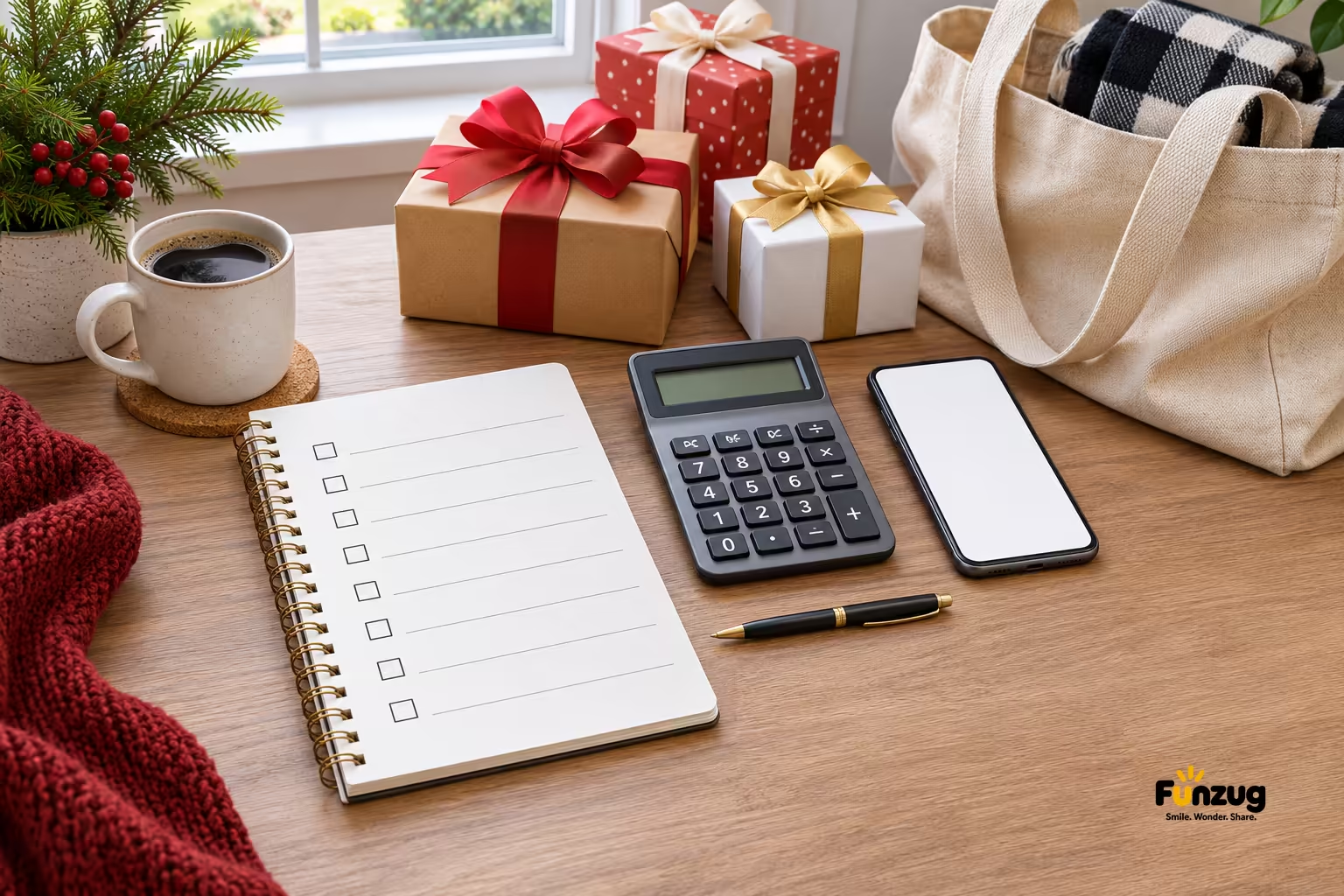
Start your Black Friday 2026 shopping plan with a budget
Before browsing, write down who you are buying for, what they would genuinely use and the maximum amount you can spend. Include tax, shipping and any delivery fee in the limit. If the total is too high, reduce the number of purchases or choose a less expensive alternative before opening a retailer’s deal page.
The National Retail Federation’s 2026 holiday survey found that 91% of consumers plan to celebrate the winter holidays this year. Its holiday forecast expects November and December retail spending to grow 4.2% from 2025, reaching $1.013 trillion. Those figures describe the wider retail season, not the value of any individual deal. For shoppers, the practical takeaway is to compare offers against their own budget rather than treating a busy sales season as a reason to spend more.
Compare the product, not just the discount
A Black Friday 2026 shopping plan works best when it tracks the exact model number, size or version you want. Record its usual price at more than one retailer, then compare the Black Friday offer with that baseline. A large percentage cut can still leave a product more expensive than a similar option elsewhere, while a lower price may reflect an older model or fewer features.
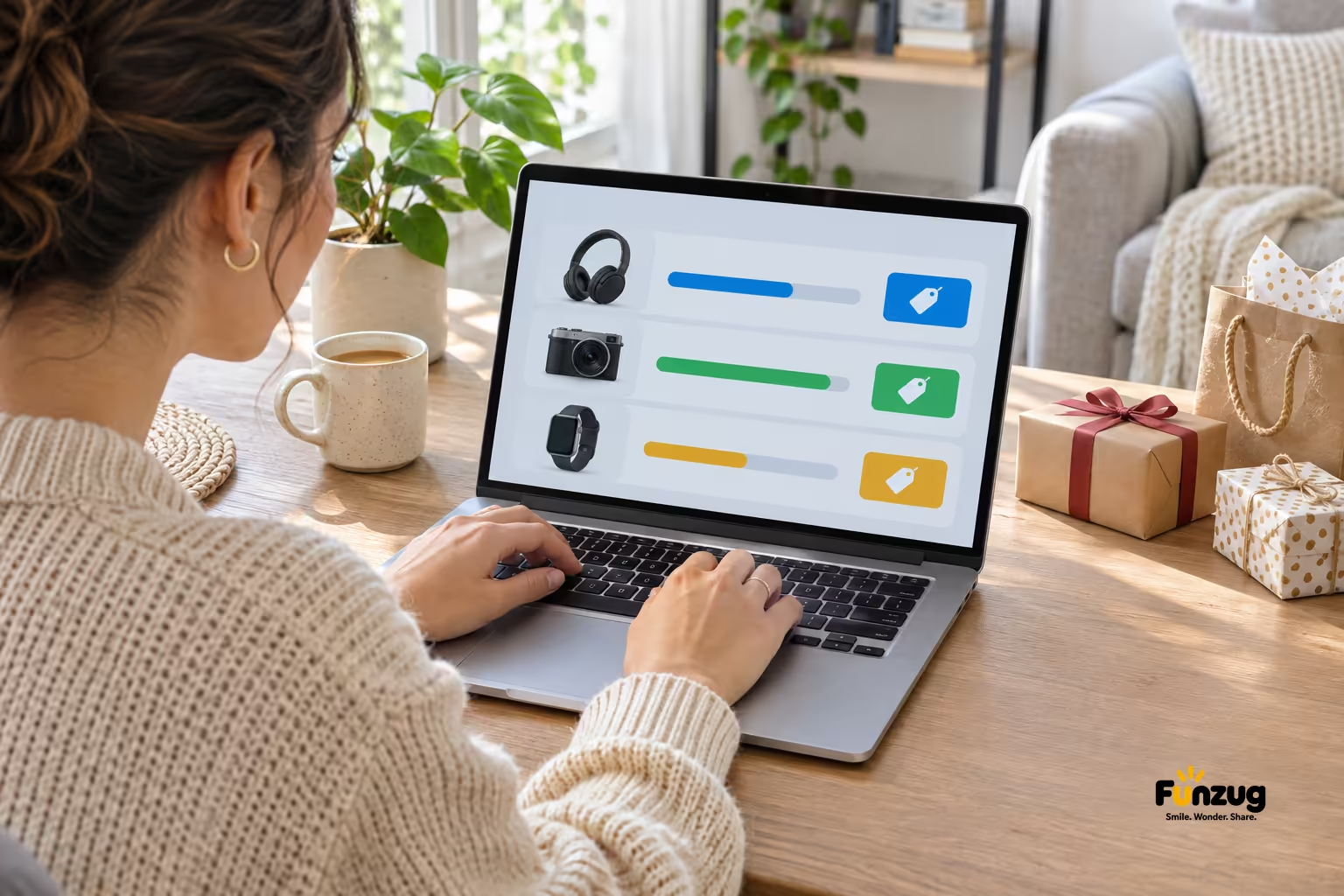
Read the full listing and check whether the item is new, refurbished or sold by a marketplace partner. Compare return windows, warranty coverage and delivery estimates alongside the price. Amazon’s announced sale period is one example of an event spanning multiple days, but offers and stock can vary by seller, so confirm the terms on the product page before checkout.
Make the checkout safer
Go to the retailer’s website or app directly instead of following an unexpected text, email or social-media link. Check the seller’s identity, contact details and return policy. A padlock in the browser does not prove that a store is legitimate, and an unfamiliar seller may copy the design of a known shop. The Federal Trade Commission advises shoppers to research sellers, pay by credit card when possible and avoid sellers who demand gift cards, wire transfers or cryptocurrency.
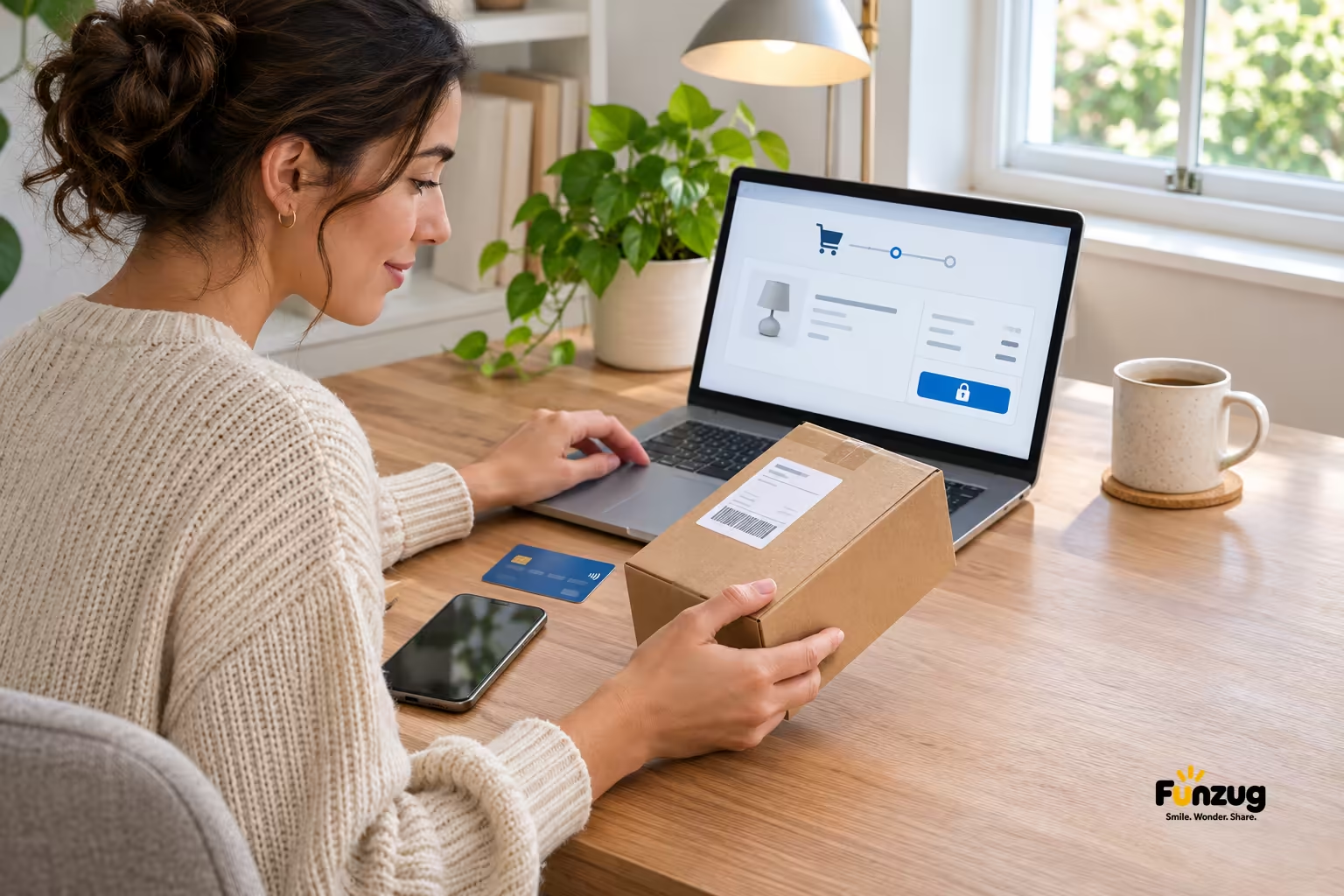
Keep order confirmations and screenshots of the listing, especially for expensive items or gifts with delivery deadlines. If a deal arrives through a message, open a separate browser window and type the retailer’s address yourself. The FTC’s holiday online shopping guidance has additional steps for checking a seller and responding to suspicious offers.
Choose when to buy
Buy early when you have found the right item at a price you are comfortable with and the return terms work. Wait when the product is easy to find, the offer is not compelling or you need more time to compare. Keep a small reserve for shipping delays or a replacement gift, and check delivery dates before relying on an order for a particular occasion.
Black Friday is one point in a longer shopping season, not a deadline for every purchase. Keep this Black Friday 2026 shopping plan focused on needs and a comfortable total. A shortlist, a total-cost comparison and a quick seller check can help you recognize a genuine deal while making it easier to pass on purchases that were never on the list. If your holiday list includes a trip instead of a product, Funzug’s guide to Christmas towns across the United States offers another kind of seasonal idea.


