

The Autumn Trees Kew Says Could Keep Their Colour in a Warmer Climate
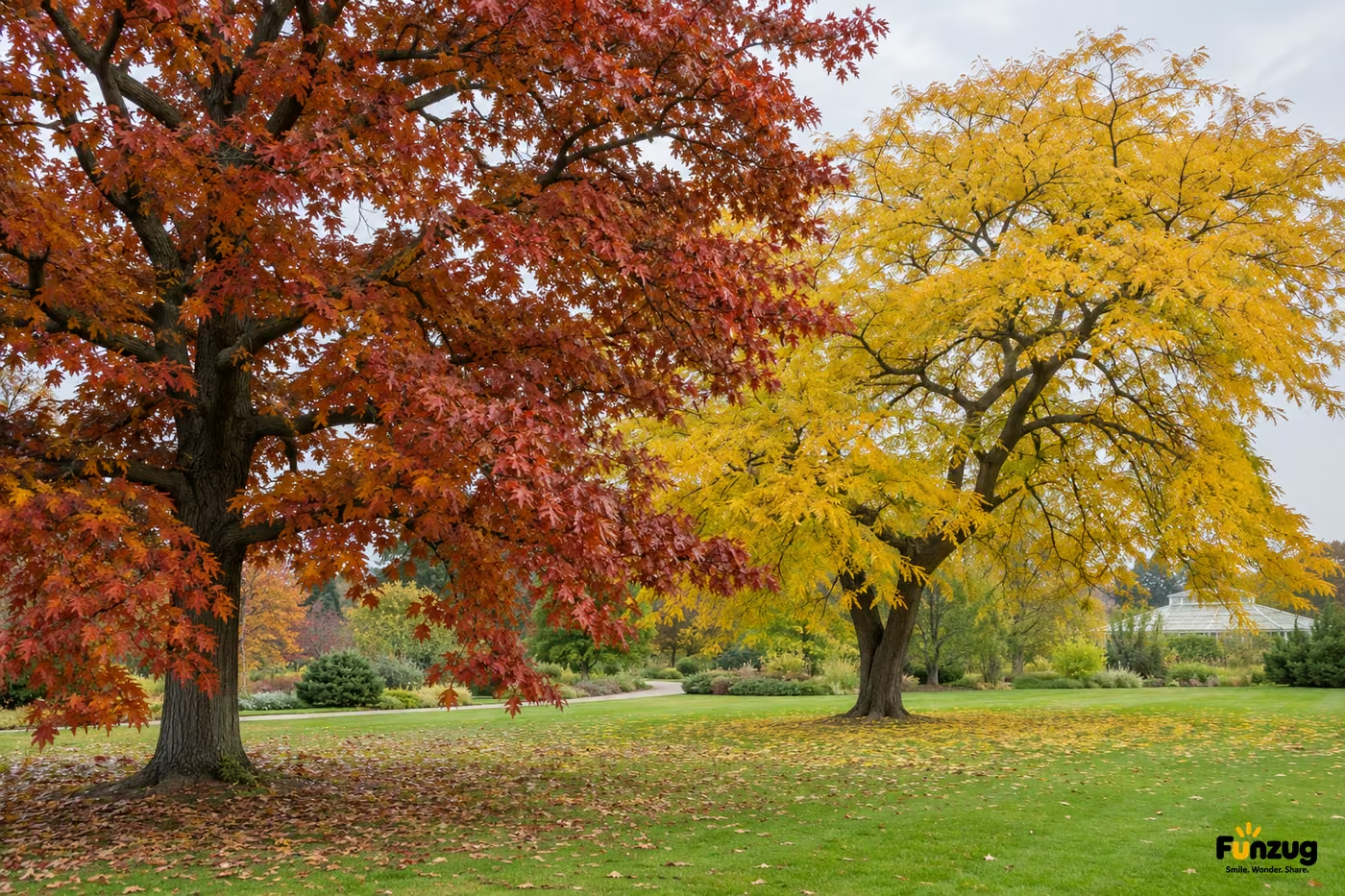
Autumn trees at Kew are showing how seasonal colour may persist as the climate warms. In a November update, Royal Botanic Gardens, Kew highlighted species that kept their colour through difficult conditions, including the common red oak and Golden Honey Locust. The examples offer a hopeful note, though no tree can make a garden immune to heat or drought.
What Kew’s autumn observations show
Kew’s gardeners described a false autumn this year after record-breaking summer temperatures and drought disrupted seasonal colour across southern England. Some trees shed or changed leaves earlier than expected. The autumn trees at Kew stood out against that background, including the common red oak, Quercus rubra, and Golden Honey Locust, Gleditsia triacanthos ‘Sunburst’.
Autumn trees at Kew: lessons for gardeners
The observation is useful because autumn leaves depend on more than the calendar. Day length, temperature, moisture and the condition of a tree all affect when leaves change and how long colour lasts. A hot, dry summer can stress trees before autumn begins, while warm spells later in the year can make the seasonal transition less predictable.
Why some trees may cope better
Kew’s announcement draws on horticultural research into trees that may retain seasonal colour under future conditions. The key idea is resilience: choosing species and planting conditions that have a better chance of coping with warmer temperatures and periods of drought. It is not a promise that any tree will look the same every year. Local soil, drainage, exposure and watering still matter.
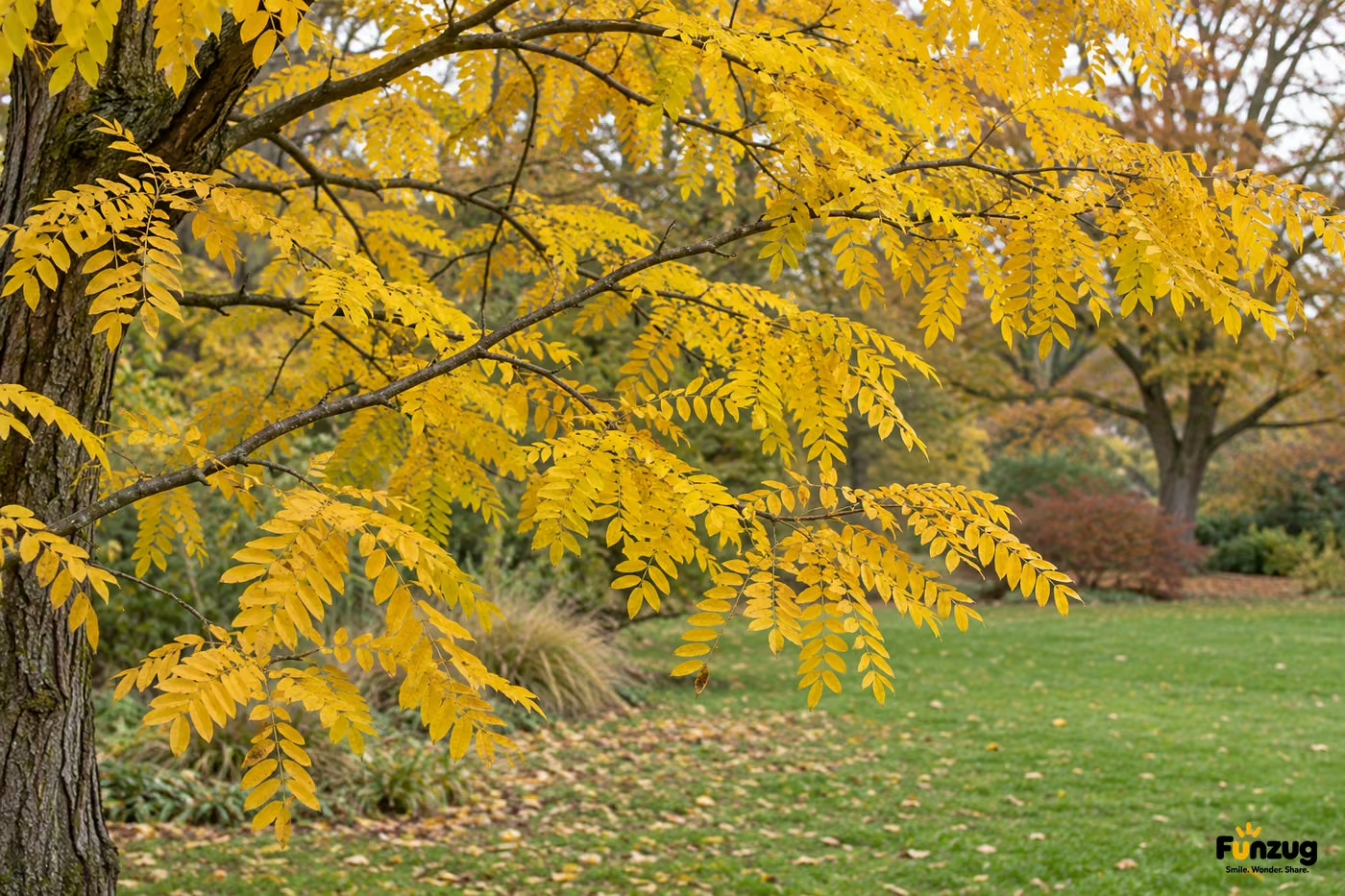
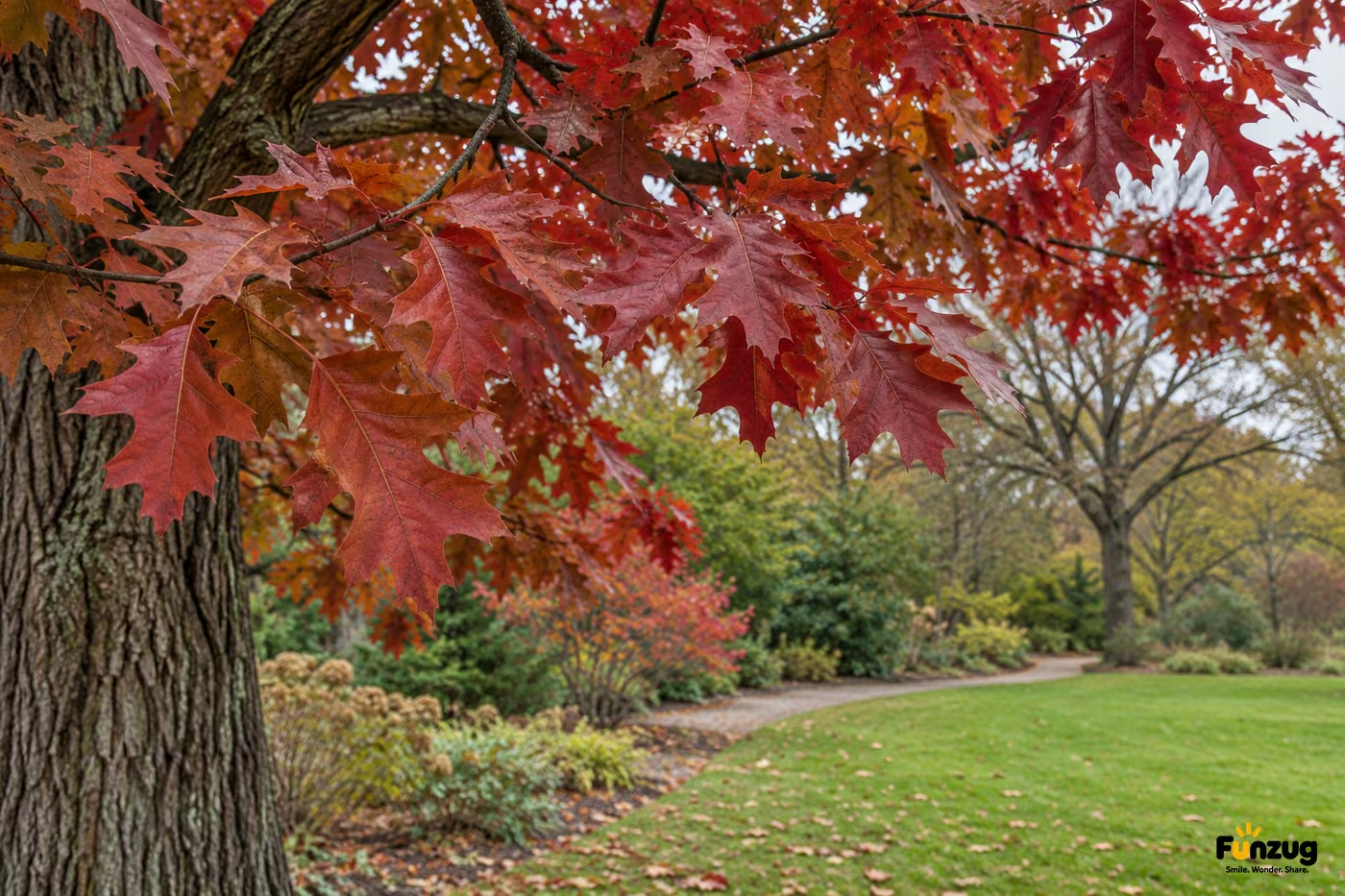
Golden Honey Locust is known for its clear yellow foliage, while red oak can turn deep shades of red. Both bring a strong autumn effect, but their value is not limited to leaf colour. Trees also provide shade, habitat and structure through the rest of the year. Choosing a tree for a garden or public space should take its mature size, soil needs and local climate into account.
Planting for a less predictable season
For gardeners, the practical lesson is to plan for a range of conditions rather than chasing one perfect autumn. Improve soil structure, give young trees enough water while they establish, and avoid planting a species in a spot that is too dry or exposed for its needs. A mix of tree species can also reduce the risk that one pest, disease or weather pattern affects every tree in the same way.
Urban trees face extra pressure from compacted soil, limited root space and reflected heat from roads and buildings. Their placement matters as much as their species. A tree with room for roots and a suitable water supply is more likely to thrive than one squeezed into a hot, paved corner, even if it is on a climate-resilient list.
Autumn colour is part of a bigger change
Seasonal displays are easy to appreciate, but they also make environmental change visible. Earlier leaf drop or a muted show can reflect stresses that build through the year. Kew’s work connects those observations with longer-term questions about which trees to grow as Britain’s climate shifts.
The Gardens remain a useful place to see how different plants respond to the same season. Kew encourages visitors to explore its autumn colours and current events, and its climate resilience announcement explains why the red oak and Golden Honey Locust stood out this year.
Funzug readers interested in the wider world of plants can also browse our guide to surprising plants from around the world and this collection of roads framed by trees and flowers. The Kew story adds a timely question to that visual appeal: how can gardens keep their seasonal character as weather patterns change?
The answer will depend on careful planting, local research and continued observation. The autumn trees at Kew are promising examples, not a universal prescription. For gardeners and city planners alike, the next step is to match resilient species to the places where they can grow well, then give them the conditions they need to last.


