

Leonid Meteor Shower 2026: How to Watch from India
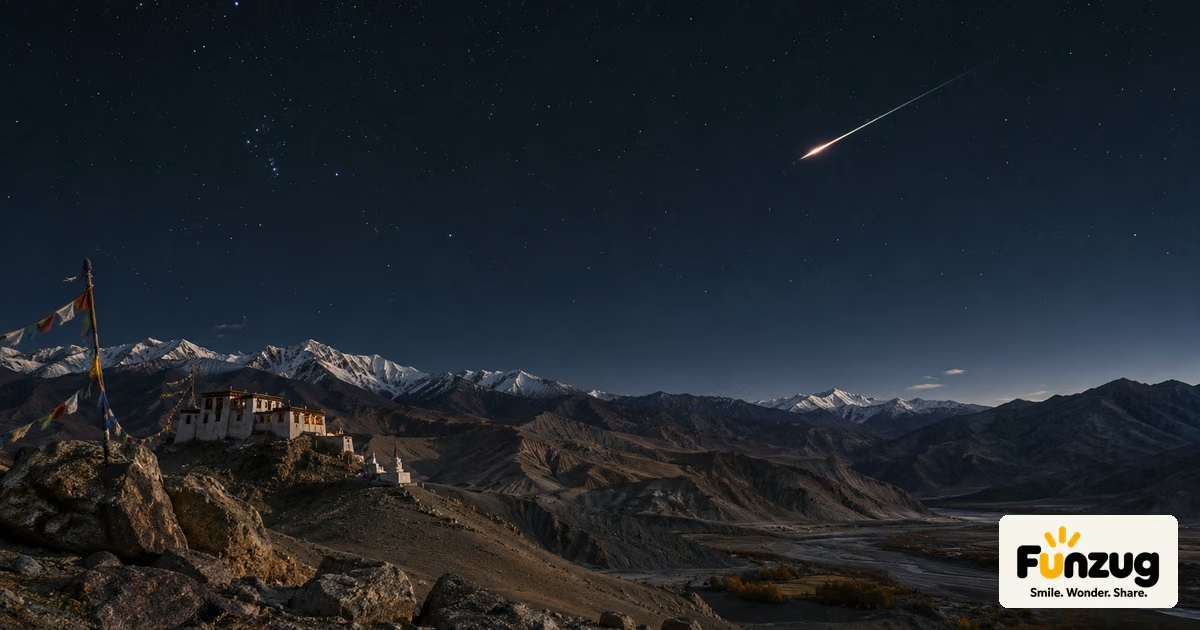
The Leonid meteor shower peaks before dawn in India on Wednesday, 18 November. By then, the Moon will have set and Leo will be higher in the sky. Find a spot away from bright lights, give yourself at least half an hour, and watch with the naked eye.
When to watch the Leonid meteor shower in India
The International Meteor Organization’s 2026 calendar puts the regular peak at 23:45 UTC on 17 November, or 5:15 a.m. IST on 18 November. That is a forecast, so treat it as a guide to when to look. A sensible starting point is around 4 a.m. IST. Watch until twilight begins to wash out the stars, and check local dawn and cloud cover before you leave. Daybreak comes earlier in eastern India, so plan to start earlier there.
The Leonid meteor shower is active from 6 to 30 November. If clouds block your view on the 18th, try the next clear morning, with the expectation that rates may be lower. NASA’s November skywatching guide suggests up to around 15 meteors per hour under ideal conditions. City lights, haze, clouds and a partly obstructed sky can cut that number substantially. You may go several minutes without seeing one and then catch two in quick succession.

Where to look
The shower gets its name from Leo, the constellation from which its meteors appear to radiate. If you trace a Leonid’s path backward, it points toward that part of the sky. The streak itself can appear well away from Leo, so settle in where you can see a broad stretch of sky. Trees, buildings and bright lamps matter more to your view than finding the exact spot on a star chart.
An open terrace with permission, a clear field or a familiar rural spot can work. Choose a place where you can sit safely away from traffic. If you have a choice between two sites, take the one with the darker sky and the more open horizon. A bright streetlamp just outside your field of view can make it harder to see faint streaks.
What to bring and how to spot one
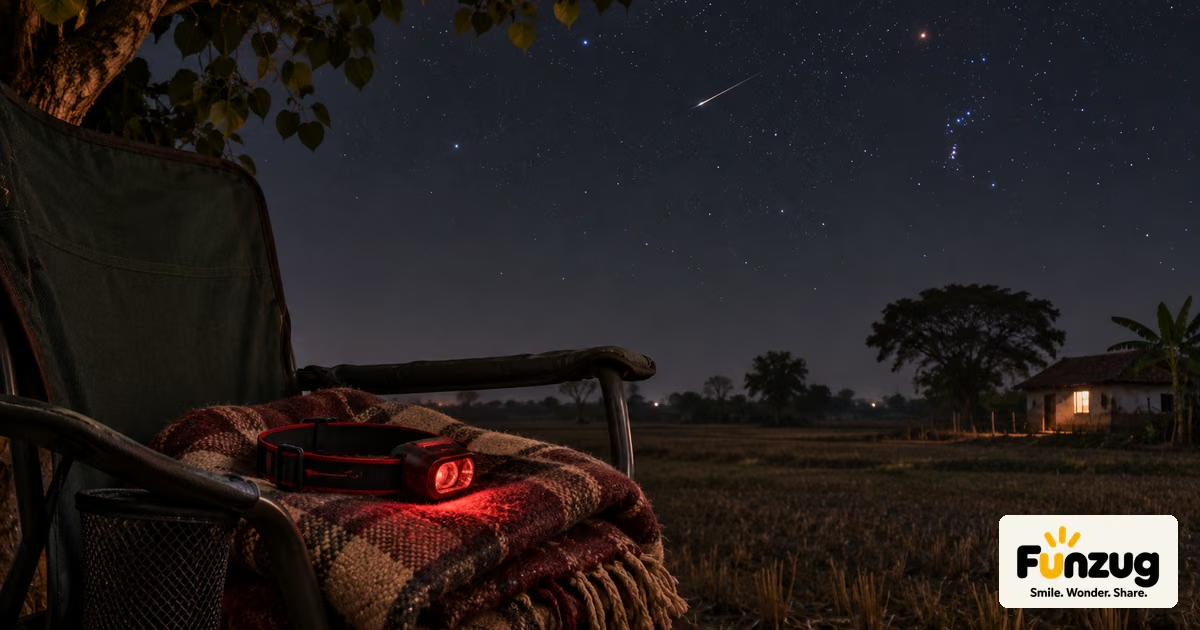
Bring a reclining chair or mat, a warm layer and a dim red torch. Let your eyes adjust for about 20 to 30 minutes and keep your phone screen dim if you need it. Binoculars narrow your view. Lie back and let your eyes take in as much sky as possible. A meteor will usually flash across the sky in a second or less. A satellite moves steadily for longer, while aircraft often have blinking lights.
What causes the Leonid meteor shower?
Each November, Earth crosses debris left behind by comet 55P/Tempel-Tuttle. Small particles enter the atmosphere at roughly 71 kilometres per second and produce the brief trails we see from the ground. The Leonids have produced spectacular storms in some years, but the 2026 forecast points to a modest shower. For more on the science behind everyday sights, see Funzug’s visual explanations of natural phenomena.
Plan a short session before dawn
Check the forecast for cloud cover and haze at your viewing spot the evening before. If you live in a city, look for a nearby spot with fewer lights and arrange access in advance. A familiar place with an open view is more practical than a long drive on unfamiliar roads in the dark. Give yourself enough time to get settled before the predicted peak.
If you want to keep a record, note the start and end times, the number of streaks you see and any breaks for clouds. Count only the time you actually spent watching. A short log will help you compare this session with another clear morning.


