

AI Christmas Cards: Why 1 in 8 Brits Are Letting Chatbots Help
AI Christmas cards have moved from novelty to ordinary conversation in Britain. A survey of 2,000 adults cited by TechRadar found around one in eight had used an AI tool to help write a sentimental message, an estimated 8.3 million people. The figure raises a familiar seasonal question: when technology helps find the words, does the message still feel personal?
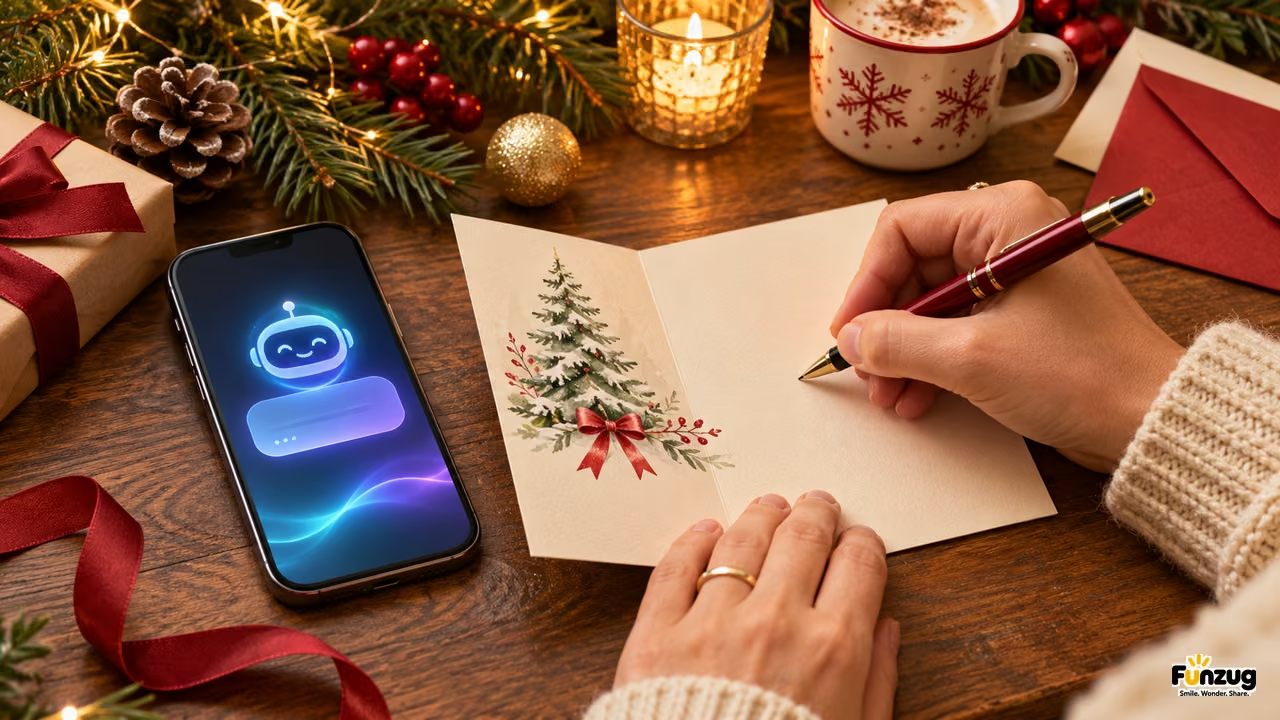
What the survey says about AI Christmas cards
The TechRadar report describes a poll commissioned by Santa’s Lapland. It found 12.5 percent of respondents had used AI to help with Christmas card messages. The same survey suggests card writing is changing more broadly: 66 percent said they write fewer cards than they used to, while 46 percent were more likely to send a digital greeting by text, email or social media.
That context matters. The choice is not simply between a handwritten card and a chatbot. Some people are sending fewer paper cards, some have shifted to digital messages, and others are using AI as a starting point. The survey is a snapshot of self-reported behavior, not proof that AI is replacing a longstanding tradition across every household.
Why a personal note can mean more than polished wording
A card is often valued because someone took time to think about the recipient. The wording does not need to sound literary. A brief detail about a shared memory, a recent achievement or a plan to meet can make a short greeting feel specific in a way a polished but generic paragraph may not.
The survey reported that 80 percent felt a handwritten card was more special than a digital message, and 61 percent said writing cards helped them get into the festive spirit. Those responses point to an emotional value in the act itself. For some, slowing down to write a few lines is part of the ritual; for others, a digital note is the realistic way to stay in touch.
AI Christmas cards can be useful when someone is stuck on the first sentence, writing in a second language or trying to find a warm way to say something difficult. A draft can prompt ideas, but the sender can add a real memory, remove exaggerated sentiment and edit the wording until it sounds like them. That approach keeps the tool in a supporting role.
Use the tool without losing your own voice
A practical method is to write down three things first: what you appreciate about the person, one moment from the year and what you hope to do together. If an AI assistant helps shape those notes, ask for a short message in a natural tone, then check every line. Replace broad praise with the details only you would know.
Privacy is another reason to keep prompts simple. Avoid entering sensitive information about someone else, particularly details they would not expect to share with a third-party service. A greeting usually needs only a few broad cues, not private history or contact information.
A changing custom, not a single right answer
Whether AI Christmas cards feel thoughtful depends on how the sender uses the technology and what the recipient values. A copied generic message may feel impersonal; a lightly edited draft built from genuine memories can help someone express feelings they already have. A handwritten note, a carefully written text and a digital card can all carry care when they reflect real attention.
The most useful question is not whether a tool touched the wording, but whether the final message says something true about the relationship. If AI helps someone begin, the personal detail should come from the person signing the card. Funzug follows how consumer technology changes everyday habits in its technology coverage.


