

Holiday Shopping Scams 2026: 6 Red Flags to Check Before You Pay
Holiday shopping scams are difficult to spot in a season crowded with legitimate promotions. A social media ad may borrow a familiar brand name, use polished product photos and promise a steep discount to move a shopper quickly from curiosity to checkout. A few simple checks can slow that process down. To spot holiday shopping scams, verify the seller separately instead of trusting the ad’s appearance.
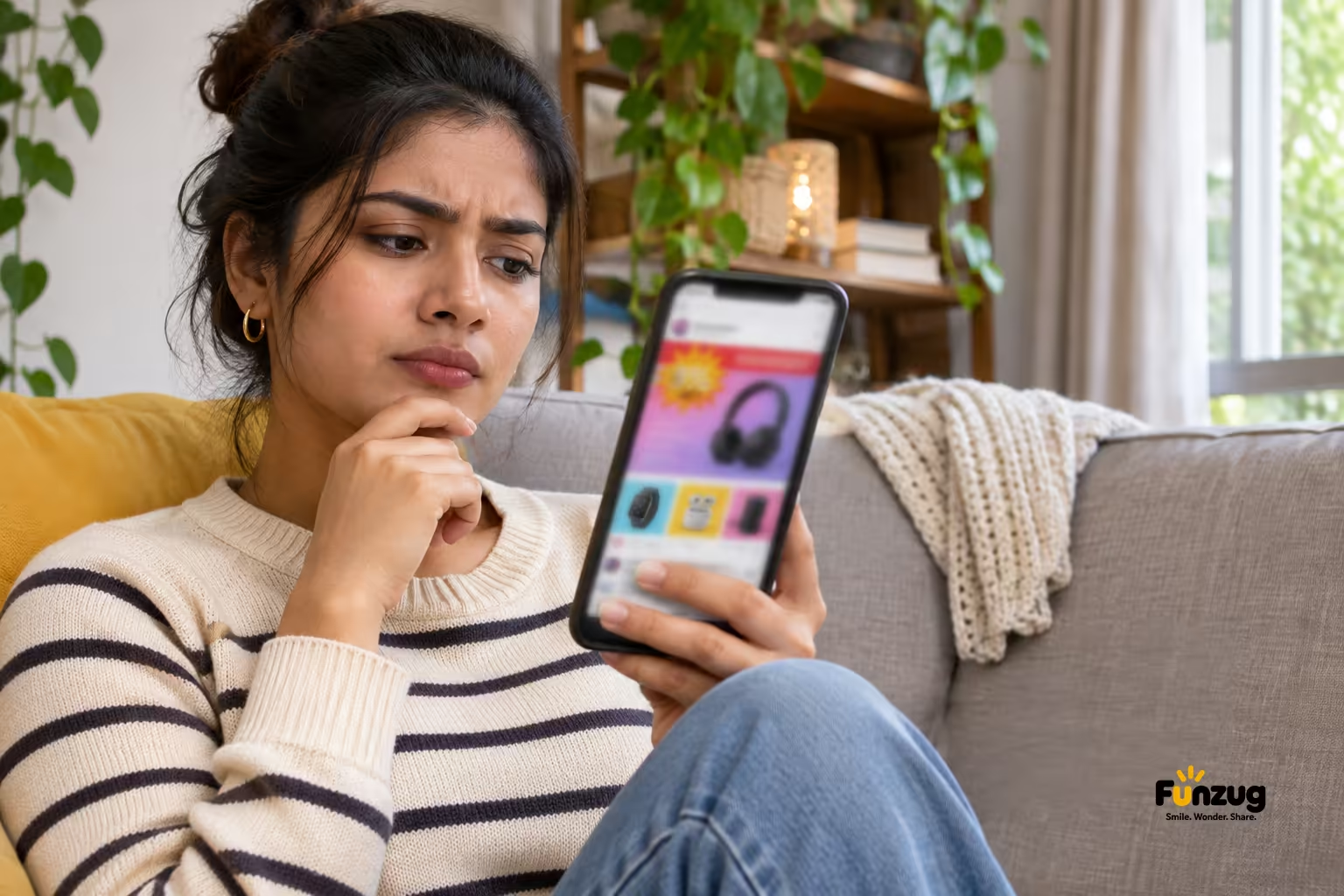
Recent Federal Trade Commission data makes social ads worth a closer look. In 2025, people reported losing more than $95 million to scams that began after buying something from a social media ad, and shopping scams were the most reported scam category on social media. Separately, the FTC reported $2.1 billion in losses to all scams that started on social media that year, not shopping scams alone. See the FTC’s social ad guidance and its social media scam report for details.
The FTC’s holiday shopping alert warns that scammers may impersonate real companies in online ads and send shoppers to sites selling counterfeits, misleading substitutes or nothing at all. Its advice is consistent with Funzug’s earlier online shopping tips: research the seller and understand the terms before you pay.
Holiday Shopping Scams: Six signals worth checking before you buy
1. A price far below the usual range
Search for the same product at a few established retailers. A dramatic price gap deserves extra scrutiny, especially if the ad says the offer will vanish in minutes. Compare the model number, size and included accessories too. A lower price may apply to a different version or leave out something you expected.
2. A lookalike web address
Read the domain carefully. A familiar brand name with extra words, misspellings or an unfamiliar ending may lead somewhere unrelated to the real retailer. Rather than follow an ad link, type the store’s known address yourself or use a bookmark you trust. A padlock icon only means the connection is encrypted. It does not prove that a store is legitimate.
3. A seller with no useful history
Search for the seller’s name and web address with words such as “review,” “complaint” or “scam.” Look at more than one source and read the details instead of relying on a star rating alone. Very recent reviews that repeat the same wording can be less useful than accounts describing delivery, product quality and customer service.
4. Payment by gift card, wire transfer or cryptocurrency
The FTC says a seller insisting on those methods is a serious warning sign. Check that the checkout belongs to the retailer and that the payment option gives you a way to address a problem. A request to send money to an individual, move the conversation to a messaging app or pay outside the site should prompt you to stop and verify the offer.
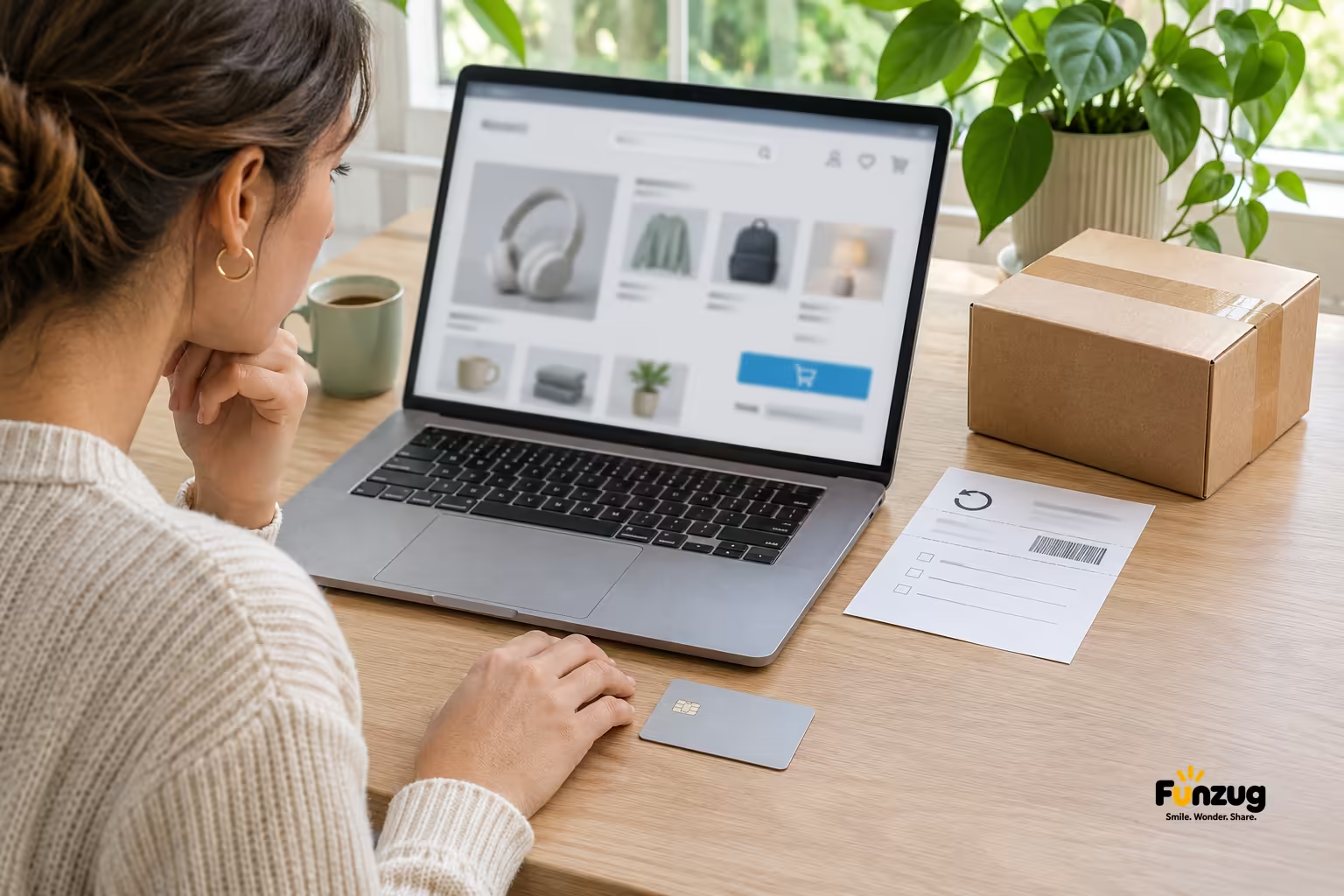
5. Missing contact and return information
Find the refund policy before checkout. Check the return window, shipping cost and any restocking fee. Look for a working customer service channel and a real business address. A seller that hides these details leaves you with fewer options if the item is late, damaged or unlike its listing. Save a copy of the policy in case the page changes after purchase.
6. Requests for unnecessary personal details
A shop may need a shipping address, but it should not need your account password or one-time verification code. Do not share credentials in a chat or through a link sent by an unknown account. If a checkout asks for information that does not match the purchase, leave the page and contact the retailer using a trusted channel.
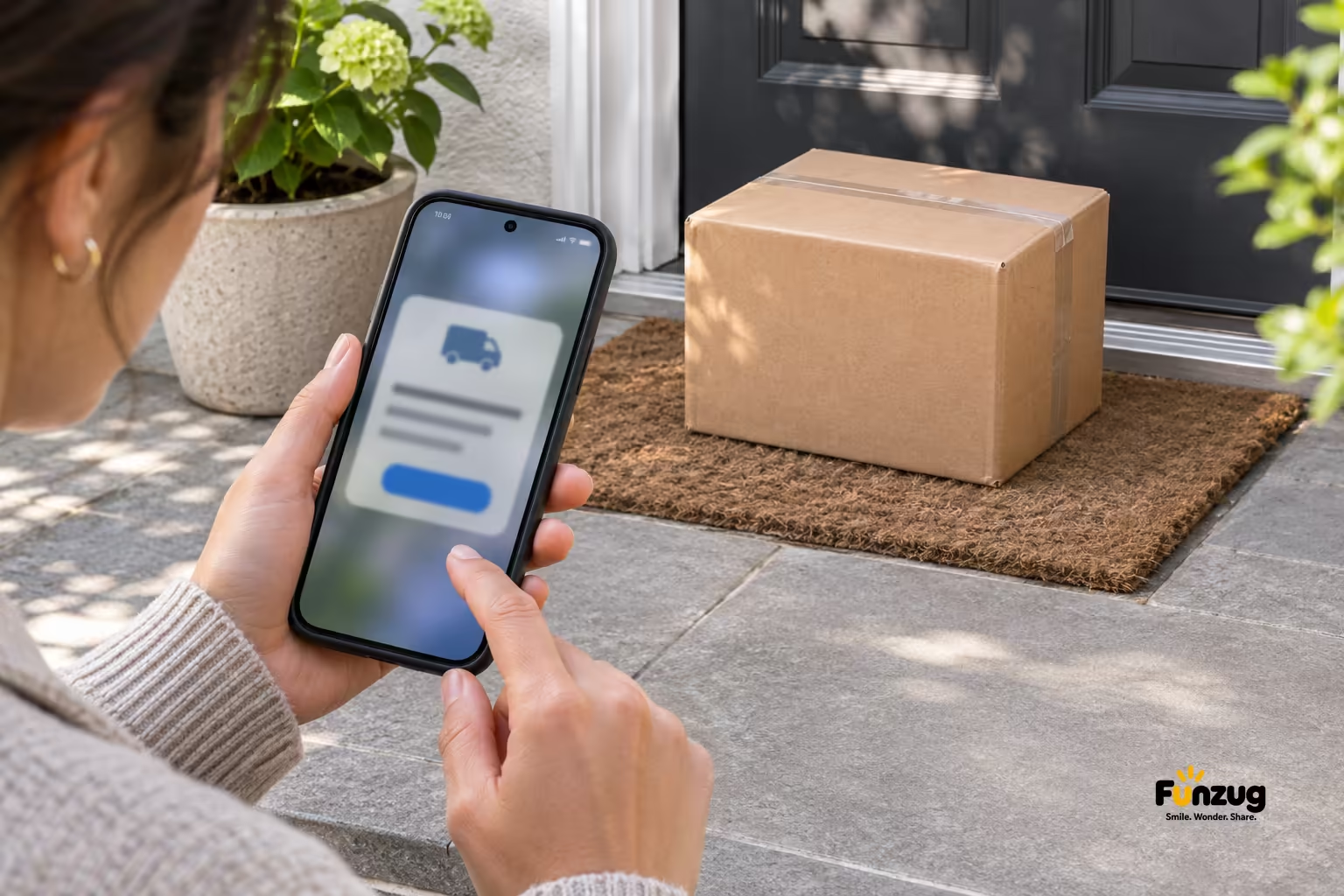
What to do if an offer feels wrong
Close the ad and visit the retailer through a trusted bookmark or a fresh search. Keep the order confirmation, seller details and promised delivery date. The FTC recommends paying by credit card when possible because you may be able to dispute a charge if the order never arrives or the item is materially different from what you bought. Review your card issuer’s process and time limits.
If you already paid and the order does not arrive, contact the seller and your payment provider promptly. You can also report suspected fraud through ReportFraud.ftc.gov. These checks can help prevent holiday shopping scams: compare the seller, product and payment method before checkout, then keep the records you may need later.


