Heat Pump, Boiler or Furnace? 12 Questions to Ask Before You Get a Quote
Heat pump vs boiler is not a simple choice between new technology and old. In the United States, many homes use a furnace; in the UK and much of Europe, boilers are common. The right quote depends on the building, local weather, fuel and electricity prices, hot water, and the work needed to install the system. Ask every contractor the same questions so you can compare like with like.

Start with the home, not the equipment label
Ask how the heating load was calculated and whether the installer inspected rooms, insulation, windows, radiators or ducts. A proposal should show the model, capacity, expected operating conditions and any changes to pipework, electrical service, controls or hot-water equipment. If a contractor says the home needs no upgrades, ask what supports that conclusion.
Heat pump vs boiler: 12 questions to ask before accepting a quote
- What heat loss or heating load did you calculate, and how?
- Which model and capacity are you proposing for my home?
- How does the system perform at my area’s typical cold-weather temperatures?
- Will backup or supplemental heat be needed, and when might it run?
- Do existing radiators, ducts or pipes need repair or replacement?
- How will the system provide hot water, and is a storage tank included?
- Does the job require electrical panel, wiring or service upgrades?
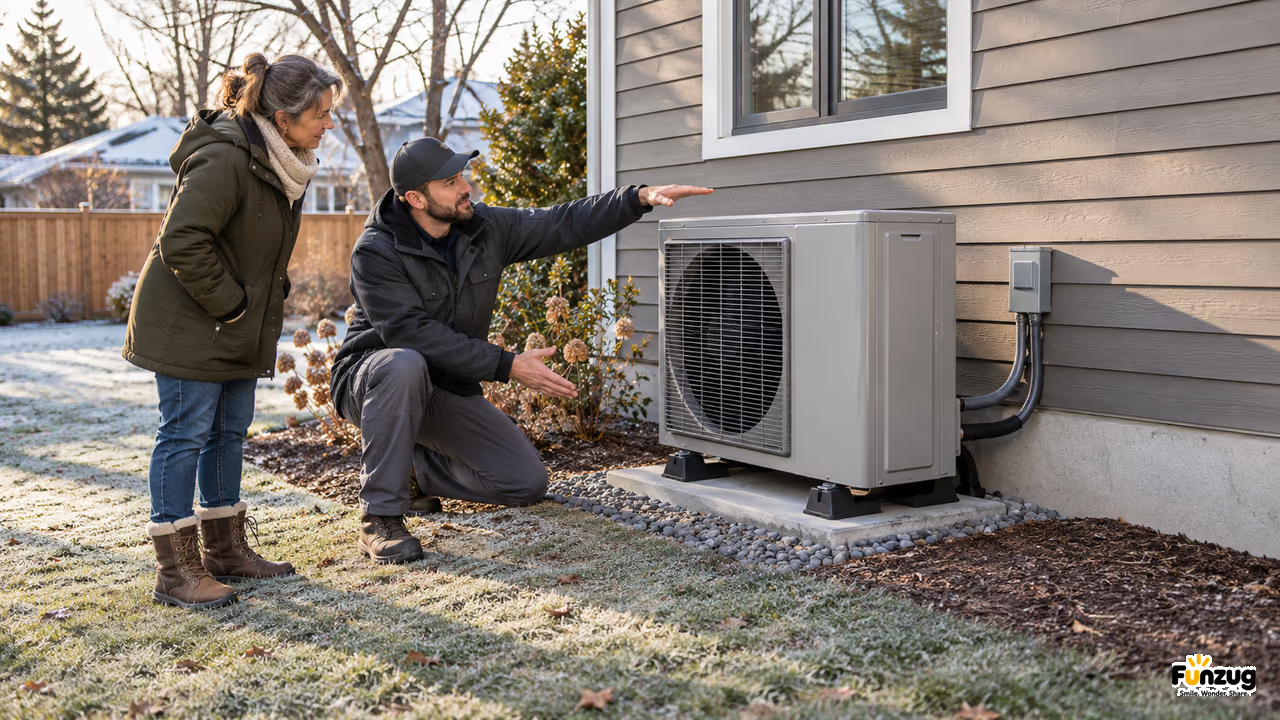
- Where will outdoor equipment sit, and what noise should nearby rooms expect?
- What annual energy use do you estimate, and what assumptions did you use?
- Which local fuel and electricity rates are in that calculation?
- Are permits, removal, disposal, patching and commissioning included?
- Who handles servicing, warranty claims and support after installation?
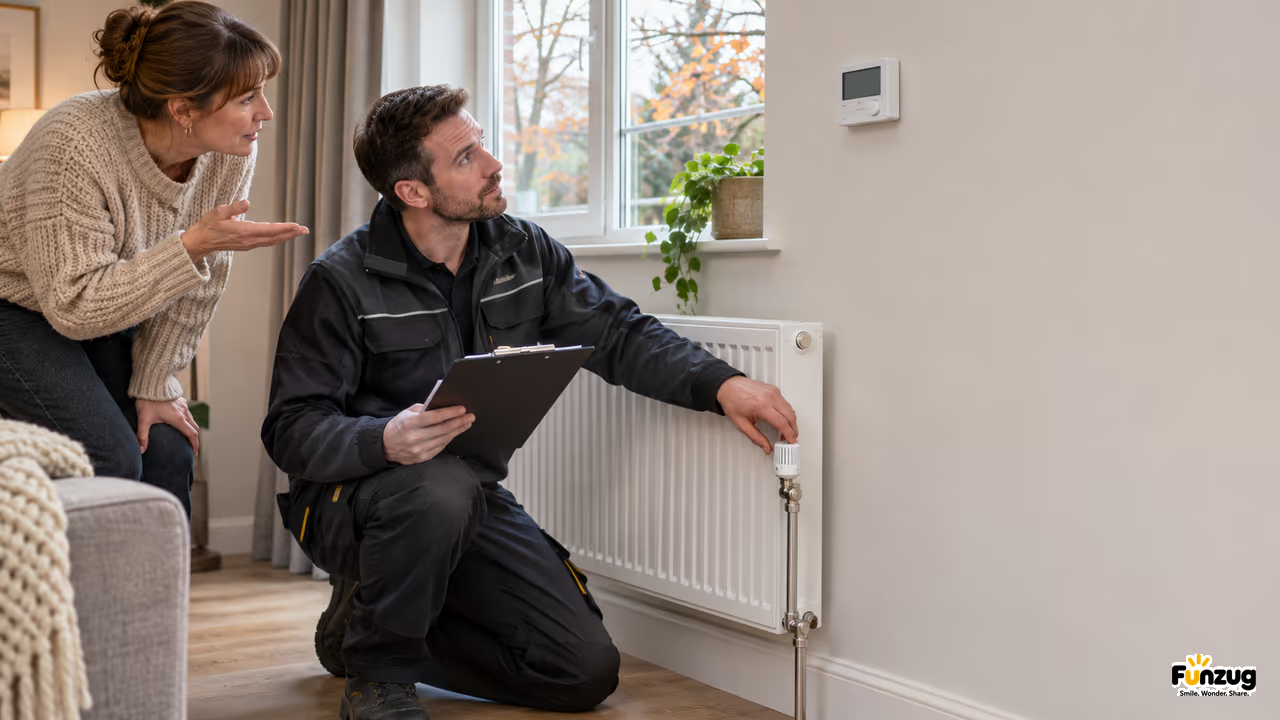
Heat pump vs boiler or furnace running costs
For a fair heat pump vs boiler comparison, do not compare the equipment price alone. A heat pump uses electricity to move heat, while a gas, oil or LPG boiler or furnace burns fuel. A useful estimate shows the system’s expected energy use and the tariffs applied. Ask whether it counts standing charges, maintenance, likely backup heat and any changes to your current fuel contract. Results depend on the home’s heat loss, system design, weather, tariffs and how occupants use heating. No single savings figure fits every property.
Compare annual estimates with the same indoor temperature assumptions and the same period. Ask the installer to explain the effect of a colder winter or a different tariff, and request the model numbers so you can check the manufacturer’s specifications.
Questions for US homeowners
A US heat pump vs boiler comparison may instead involve a furnace, so ask if the proposed equipment is designed for your climate zone and whether it is sized for the full heating load or will work alongside a furnace or resistance backup. Check duct sealing, electrical service, permits, local utility rates and any state or utility incentives. The US Department of Energy explains that cold-climate heat pumps are designed to retain more heating capacity and efficiency below freezing, but the selected equipment and installation still need to match the house and local conditions.
Questions for UK and European homeowners
For UK homeowners, the heat pump vs boiler decision should include design flow temperature, radiator sizing, insulation assumptions, hot water storage and the tariff used in the estimate. Energy Saving Trust says lower flow temperatures can improve heat-pump efficiency and notes that some homes need larger radiators. Its installation guide explains the survey and fitting stages.
As of November 2026, the Boiler Upgrade Scheme applies in England and Wales, not the whole UK. GOV.UK lists grants of £7,500 for eligible air-to-water and ground-source heat pumps, with a time-limited increase to £9,000 for certain off-gas-grid homes replacing oil or LPG through March 2027. Eligibility and rules matter, so check the current government guidance and ask whether the installer will apply on your behalf. Scotland, Northern Ireland and other European countries have separate support schemes.
For other European markets, request estimates using local electricity and fuel tariffs, applicable building rules, and any national or regional support. Ask for written confirmation of installer qualifications and who will commission the system.
Compare the proposals line by line
Put equipment, design work, electrical or pipe upgrades, controls, hot water, permits, removal, commissioning, warranty, annual energy estimate and aftercare in one comparison table. Note assumptions beside each number. Store the proposals and model details together with the rest of your household project notes. Funzug’s home organizing tips offer practical ideas for keeping household plans in order.
A heat pump vs boiler decision becomes clearer when each quote explains how it will heat your particular home. The lowest total may be the right choice, but only after you understand the design, included work, running-cost assumptions and support.
Sources: US Department of Energy guidance on cold-climate heat pumps, Energy Saving Trust heat-pump guide, Energy Saving Trust installation guide, and GOV.UK Boiler Upgrade Scheme grant details.