A Cold Rental? 7 Renter-Friendly Winter Upgrades You Can Undo
Renter-friendly winter upgrades can make a room feel more comfortable without turning a small seasonal fix into a permanent alteration. Start with the changes you can carry with you: curtains, lighting, a draft stopper and a clearer furniture layout. If a window, door or heating system seems damaged, report it to the landlord instead of trying to repair it yourself.
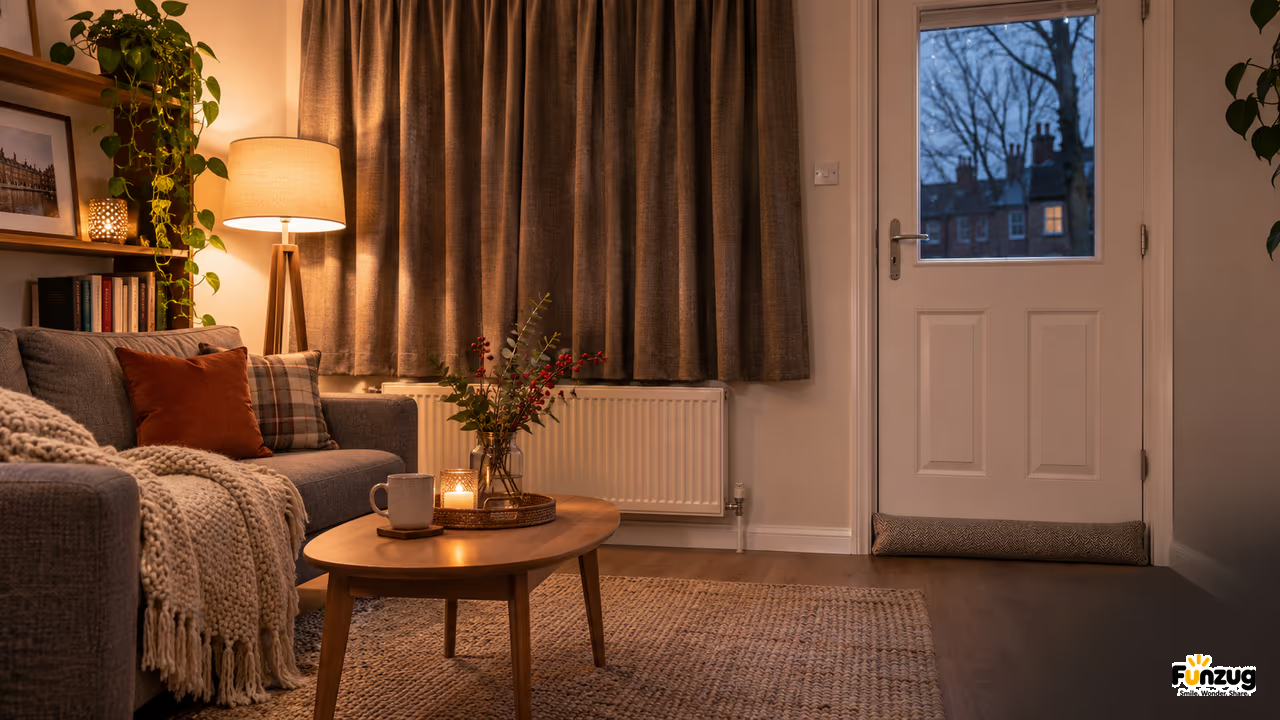
Renter-friendly winter upgrades start with the cold spot
Spend one evening noticing when the room feels cold. Check whether the chill is near a window or outside door, whether the curtains leave a gap, and whether furniture blocks a radiator or heating vent. A strip of tissue can help reveal moving air at a window seam, but do not use candles or smoke to test for drafts. Note the room, time and conditions, then choose one change and see whether the same spot feels better.
The US Department of Energy’s renter energy guide recommends options such as draft stoppers, window coverings and LED bulbs. Energy Saving Trust’s current guide to saving energy in a rented home also suggests heavy curtains and a draught excluder. These are practical comfort ideas, not promises that every home will use less energy or cost less to heat.
Seven reversible fixes to try this winter
- Block the gap below an outside door. A fabric draft stopper or a rolled blanket can soften a cold stream at floor level. Keep the door easy to open and leave the escape route clear.
- Use curtains that fit the window. A thick curtain or removable thermal lining may reduce the cold sensation near glass. Close it after daylight, but keep fabric clear of radiators and heaters.
- Move furniture away from heat sources. A sofa or long curtain against a radiator can interfere with warm air reaching the room. Repositioning costs nothing and makes the heating layout easier to assess.
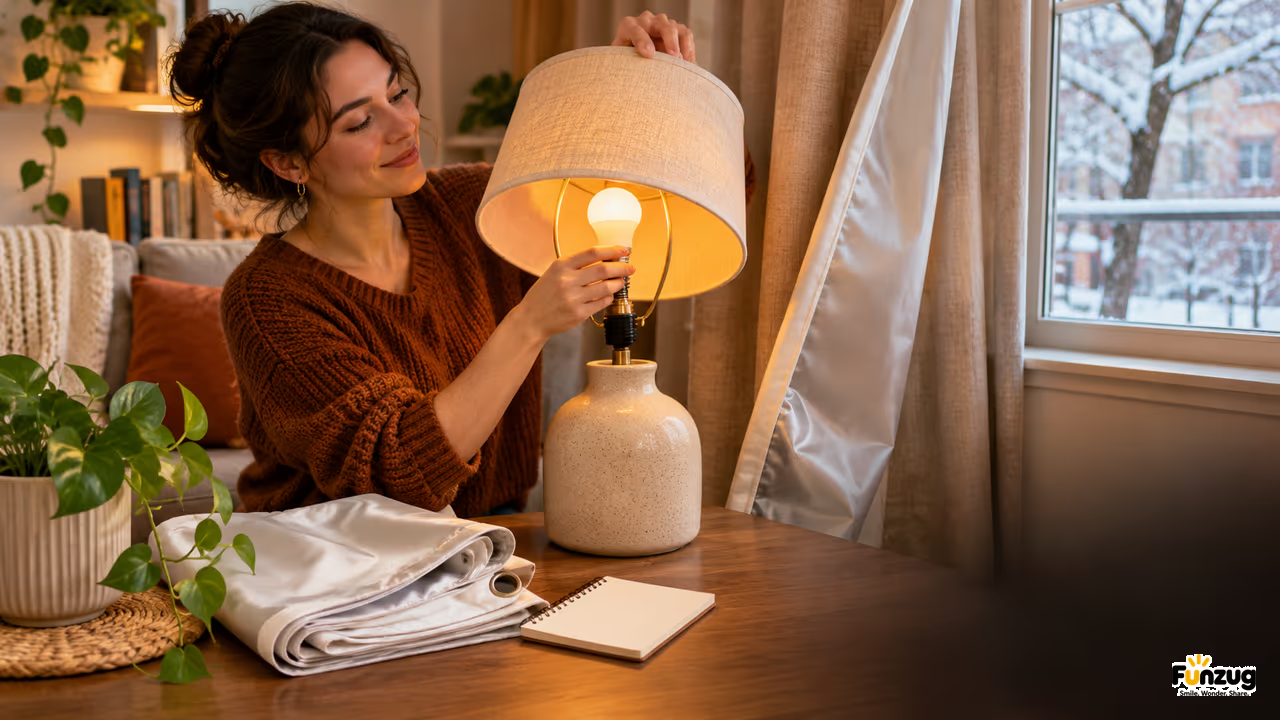
- Switch to a warm LED lamp. A correctly rated LED uses less electricity than an incandescent bulb for similar light output. Check the fitting and dimmer compatibility. Keep the old bulb so you can restore it when you move.
- Add a washable rug or throw. A rug can make a cold floor more comfortable underfoot, while a throw adds a warmer layer for evenings. Choose sizes that do not create trip hazards or cover vents.
- Use a removable window treatment. Tension rods and removable liners can work where a permanent rail is not allowed. Measure first, read the product instructions and avoid adhesive film that might damage paint or seals.
- Ask for a repair when a quick fix is not enough. Persistent drafts, water ingress, a faulty heater, damp or mould need a proper assessment. Send the landlord a dated note and photos, and keep a copy.
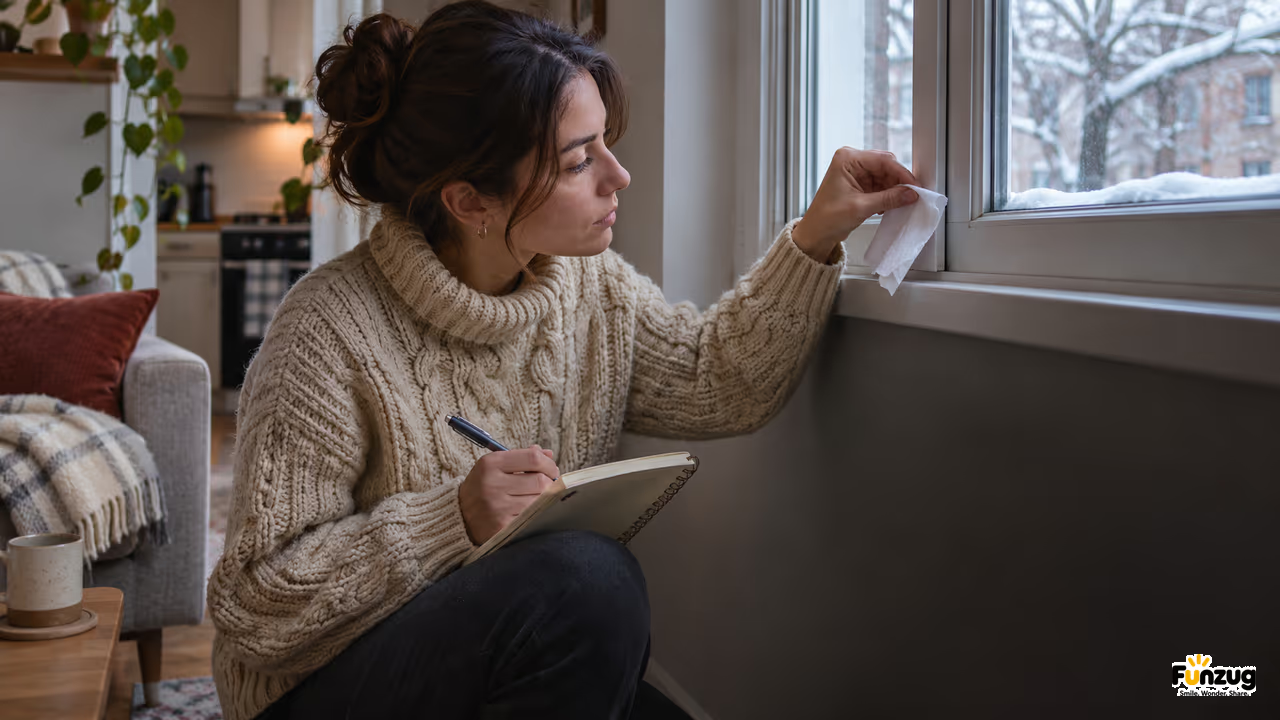
What renter-friendly winter upgrades may cost
Start with free changes such as moving furniture, closing curtains at dusk and using a draft stopper made from fabric already at home. Retail prices vary by size and store. On November 17, 2026, Argos listed a 117 by 213 centimetre thermal door curtain at £25. In the US, Home Depot listed a 36-inch screw-on door-bottom seal at $12.18; that example requires attachment, so it is not an automatic renter-friendly choice. Ask permission before drilling, gluing or changing a fixture, and compare removable products before spending.
Try renter-friendly winter upgrades one at a time, then compare notes before buying a second item. For a simple before-and-after check, write down the room temperature, where you sat and which change you made. Repeat the same check on a similar evening. That will not prove an energy saving, but it helps show whether the room feels more comfortable before you buy another item.
Know when to ask the landlord
Lease terms and tenant protections differ across the US, the UK and Europe. In England, Shelter advises tenants to get the landlord’s written agreement before making improvements that need permission. That guidance does not automatically apply to other countries or UK nations, so check your agreement and local advice before altering a fixture. Report repairs separately from optional improvements.
Keep your products, receipts and notes in one place. Funzug’s home organizing tips include practical ways to keep household plans in order.
The best renter-friendly winter upgrades are the ones that solve a specific comfort problem, fit the lease and can be removed without leaving damage. Try the no-cost changes first, then spend only where the result is clear.
Sources: US Department of Energy renter tips, Energy Saving Trust renter guide, Shelter England on rented-home improvements, Argos thermal curtain listing and Home Depot door-seal listing.