The Standby Power Bill Mystery: Which Devices Deserve a Test?
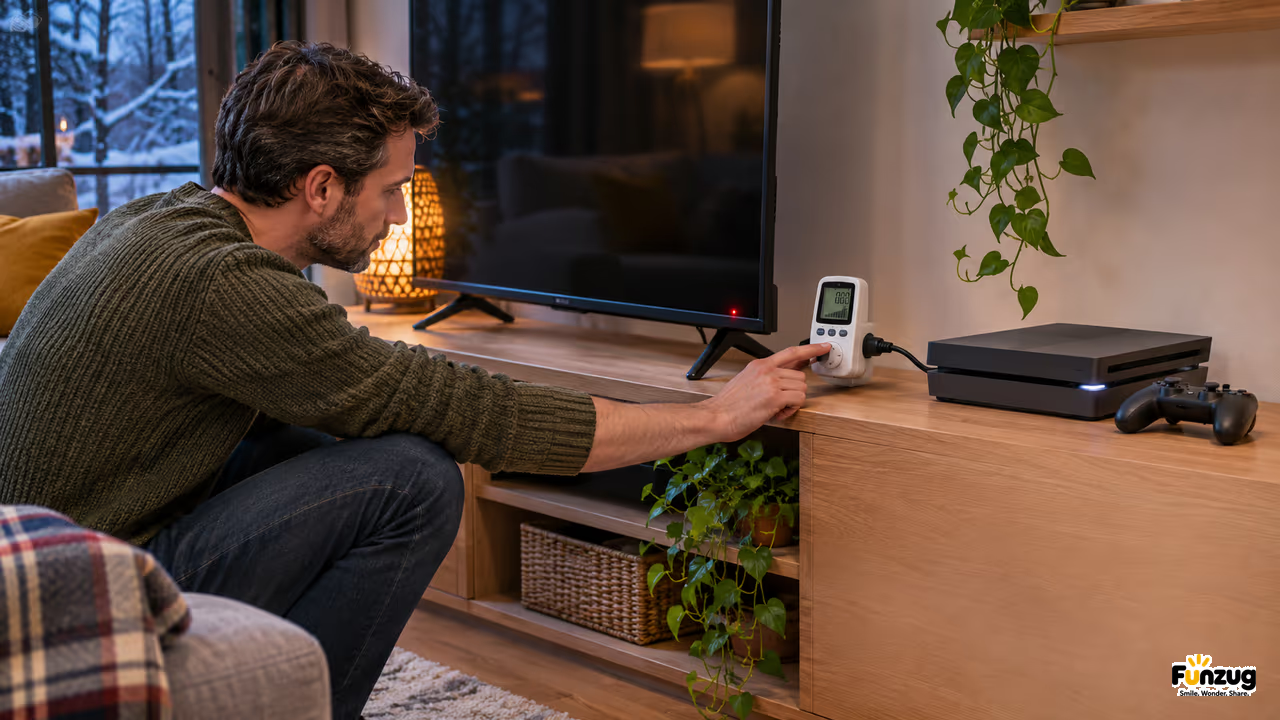
Standby power is real, but a small reading on one device does not automatically mean a large bill. This guide shows how to measure standby power and decide whether it matters. The useful question is which plugged-in products in your home draw power while idle, and whether changing a setting is worth the effort. A plug-in meter can turn that guess into a repeatable household check.
What standby power means
Standby power is electricity a product uses while it appears to be off or is not doing its main job. It may stay connected for a remote, a network connection, a display clock or a quick restart. The US Department of Energy’s measurement guide describes how to test low-power modes and explains why a fluctuating reading should be averaged over time.
Try a safe, repeatable home measurement
- Choose a plug-in meter rated for the outlet and appliance, then read its instructions.
- Put the device into its usual standby mode. Keep connected accessories the same for each reading.
- For a steady reading, note the watts after the meter settles. If it fluctuates, record energy over a longer period and divide by the measurement time to estimate average watts.
- If the manufacturer permits it, repeat after switching the device fully off using its own control.
- Write down the date, device, mode and reading so someone else can repeat the check. A dedicated appliance log can sit alongside a broader household checklist, such as Funzug’s home organizing tips.
Test one product at a time. Do not use a consumer plug meter on hard-wired equipment or on a load beyond its rating. Do not open a device or handle mains wiring. For built-in appliances, consult the manual or a qualified electrician.

Turn watts into yearly energy
For a steady standby load, use: watts × 24 × 365 ÷ 1,000 = kilowatt-hours per year. A hypothetical 2-watt load left on all year would use about 17.5 kWh. Multiply that amount by the unit price on your bill to estimate the energy cost. The formula does not include any standing charge because that daily fee usually remains even if one appliance is turned off.
Rates vary by location and contract. For a dated UK example, Ofgem lists an average electricity unit rate of 26.32 pence per kWh for price-capped direct debit customers in England, Scotland and Wales from October to December 2026, excluding VAT under the temporary electricity VAT change. At that average rate, 17.5 kWh comes to about £4.61. Your region, tariff, meter and payment method can produce a different result. Ofgem’s Q4 price-cap update explains who the figure applies to. In the US and elsewhere in Europe, use the current unit rate on your own bill or supplier tariff rather than borrowing the UK estimate.
Which devices should you check first for standby power?
Start with equipment that stays connected most of the year: entertainment systems, game consoles, printers, desktop computers, smart speakers and chargers. A group of devices may matter more than one small load, but a higher reading alone is not a reason to unplug something you rely on. Measure first, then compare the likely annual energy with your actual rate.
Energy Saving Trust’s home appliance guide reports its own smart-speaker testing and notes that some voice-activated models use a little more energy in standby. Treat that as a reason to measure your specific model, not a promise that every speaker behaves the same way.
When to change a setting
If a device’s standby mode draws little energy, the savings from switching it off may be modest. If several devices make a measurable load and you rarely use them, a manufacturer-approved setting or switched power strip may be practical. Do not abruptly cut power to equipment that needs updates, records data or supports an important connection. Check the device manual before changing how it shuts down.
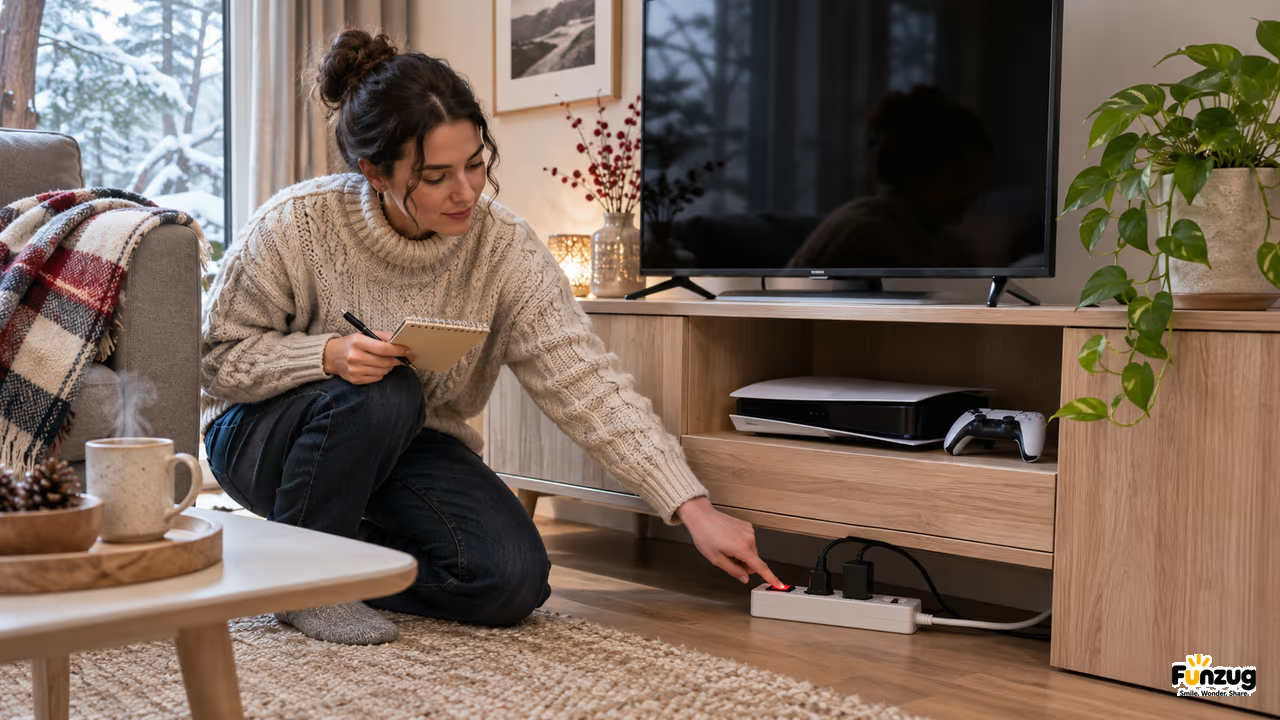
This is a measurement guide, not a completed test of every household appliance. Keep the readings for your own devices, note the tariff and date, and retest after a software or settings change. The result may reveal a worthwhile fix, or show that a small standby power draw is not worth worrying about.